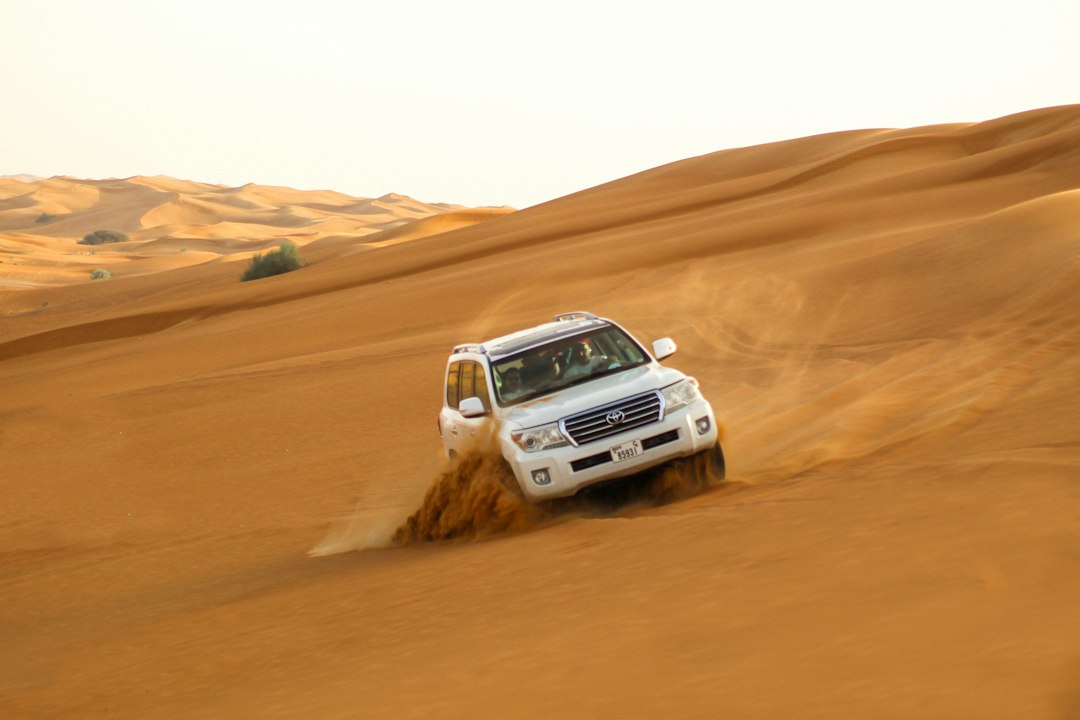
Desert safari prices in Dubai range from under AED 100 to well over AED 2,000, and the gap rarely matches what you actually get. Two shared evening tours can differ by AED 300 simply because one camp sits inside a protected reserve while the other operates on open dunes near Lahbab. Before you hand over a card number, you need to know what separates a budget dune-bashing trip from a conservation safari, and which timing fits your schedule. This guide breaks down the realistic choices, so you book the right one the first time.
Picking a safari by timing and budget
The entries below group desert safaris by what actually changes the experience: time of day, reserve access, dinner format and vehicle type. Price alone does not tell you which camp operates inside a licensed conservation area or which one serves alcohol. Each option below covers a real trade-off, not just a name you already recognise.
Morning desert safari
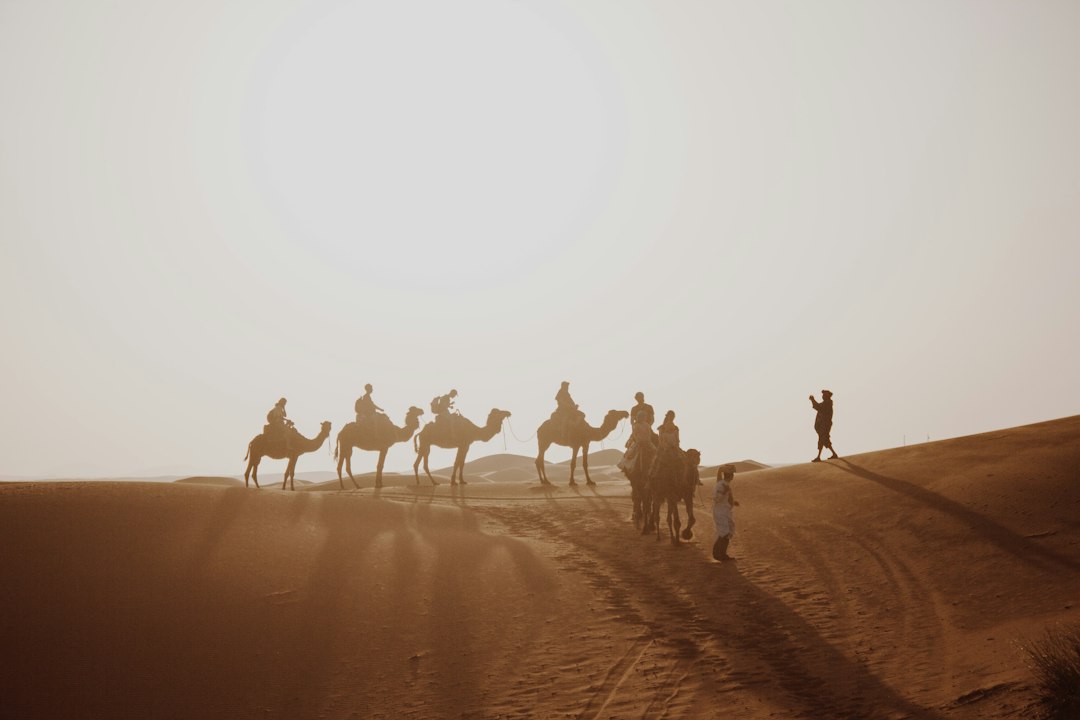
A morning safari starts near dawn and gets you back to the hotel by late morning, before the day's heat peaks. The morning safari, priced around 250 to 350 AED per person, starts at 6am to enjoy the morning coolness, with 30 to 40 minutes of dune bashing and sandboarding before the return around 10am. Budget shared options cost between AED 104 and AED 130 per person, rising past AED 350 for packages that add quad biking. This slot suits travellers who want to keep the afternoon free for shopping or the pool.
Evening desert safari with dinner
The evening safari remains Dubai's most booked option, combining dune bashing with a sunset stop and a camp dinner. A shared evening safari with barbecue dinner costs around AED 210 to AED 499 per person. Premium evening packages add an improved menu, unlimited soft drinks, a short quad ride and a longer camel ride for roughly AED 500 to 650. Because most operators run a similar structure, the real difference usually comes down to camp size and whether alcohol is served.
Overnight desert safari
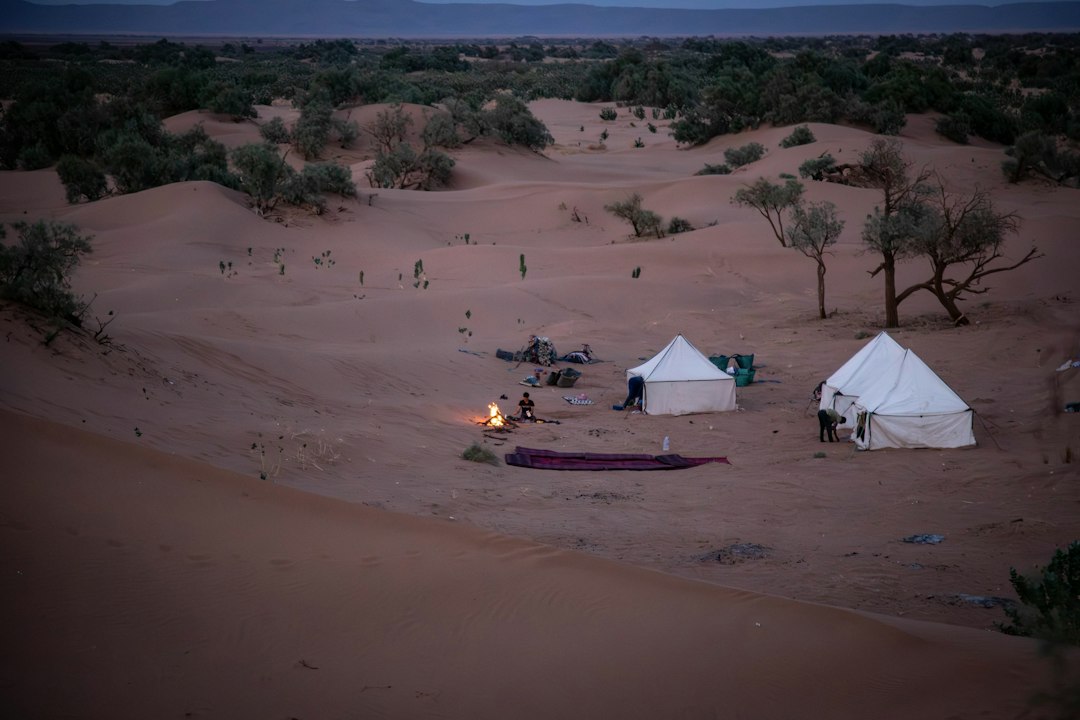
An overnight safari keeps you in the desert for almost a full day, not just a few hours. Overnight safaris keep you in the desert for approximately 18 hours. Prices start from AED 716 per adult, covering dinner, a tent or cabin, stargazing and breakfast before the drive back. Night temperatures in summer can still sit around 25 to 30 degrees, so pack light layers rather than heavy blankets.
Platinum Heritage eco-luxury safari
Platinum Heritage operates inside a gated reserve rather than the open dunes used by budget operators. It uses vintage 1950s Land Rovers and operates exclusively in the Dubai Desert Conservation Reserve, a legally protected wildlife sanctuary inaccessible to ordinary operators. It also runs an ethical approach to its camel and falconry activities, avoiding animal exploitation common at some mainstream camps. Signature experiences include the Heritage Desert Safari at AED 450 and the Conservation Drive at AED 350. Expect a calmer drive than a Lahbab dune-bashing trip, since the reserve limits aggressive driving to protect the habitat.
Arabian Adventures evening safari
Arabian Adventures sits at the other end of the same reserve system, built for volume rather than intimacy. It is one of the UAE's longest-established safari operators and is part of the Emirates Group. Packages range from AED 189 to AED 799, covering a standard evening safari up to a private desert experience. Unlike Platinum Heritage, Arabian Adventures serves alcohol at its camps, which matters if your group wants a bar option.
Dune buggy and quad bike adventure
If dune bashing in a shared Land Cruiser feels too passive, a self-drive buggy puts you behind the wheel. A self-drive buggy safari lasting three hours costs around AED 294, while an evening dune buggy adventure runs AED 452 to 626. Most operators pair this with a short quad bike session on the same dunes. Helmets, a valid ID and a short safety briefing are standard requirements before you set off, so build in extra time at pickup.
Como escolher entre eles
Start with your calendar before your budget. Prices vary by 20 to 30 percent between the low season from June to September and the high season from November to March. If you travel during peak winter months, book premium operators and overnight safaris three to 14 days ahead, since they sell out during November to February.
Match the operator to what you actually want from the desert. Dubai has more than 180 DTCM-licensed desert safari operators, so price alone will not separate them. The DDCR covers 225 square kilometres, about 5 percent of Dubai's land area, and admits only six licensed operators, which explains why reserve-based trips cost more than a standard Lahbab run.
Decide on timing last. A morning slot protects your afternoon, an evening safari fits a single free night, and an overnight stay only earns its higher price if sunrise over the dunes matters more than convenience to you.