
Dubai’s luxury lifestyle may seem at odds with zero-waste living, but a growing community of eco-conscious residents is proving otherwise. In a city of soaring temperatures and single-use habits, sustainability requires creativity but it’s far from impossible. From refill stores to traditional souks that still use reusable containers, Dubai is showing that mindful, low-waste living can thrive even in the desert.
Understanding Zero-Waste in the Dubai Context
Zero-waste living in Dubai presents unique challenges that desert dwellers must navigate thoughtfully. The extreme climate necessitates higher energy consumption for cooling, while the prevalence of packaged imported goods reflects the city’s position as a trade hub.
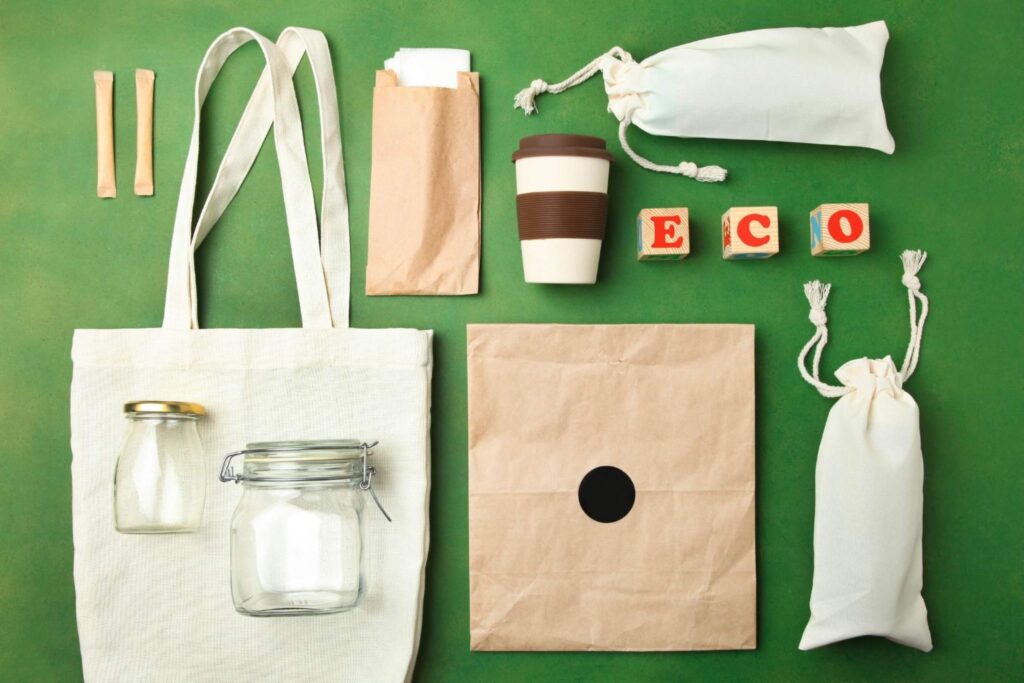
However, zero-waste isn’t about perfection—it’s about making conscious choices to refuse, reduce, reuse, recycle, and rot. In Dubai’s context, this means prioritizing reusable water bottles in a city where hydration is critical, choosing products with minimal packaging when shopping at malls, and supporting the growing number of sustainable businesses.
Understanding that every small change contributes to larger impact helps residents avoid overwhelm and start their zero-waste journey with realistic expectations tailored to desert life.

Shopping Smart: Souks, Refill Stores, and Bulk Options
Dubai offers surprising opportunities for package-free shopping once you know where to look. Traditional souks in Deira and Bur Dubai have always operated on zero-waste principles bring your own bags to fill with spices, nuts, dried fruits, and grains sold in bulk.
Modern refill stores like The Refill Souk in Al Quoz and Bulk in Jumeirah allow residents to bring containers for household products, from cleaning supplies to personal care items. Carrefour and other major supermarkets now offer bulk sections for dry goods. Farmers markets at Ripe and other venues provide package-free fresh produce directly from local and regional farms.
The key is planning ahead: keep reusable bags, jars, and containers in your car, and make these zero-waste shopping destinations part of your regular routine rather than treating them as special trips.
Tackling Food Waste in the Desert Climate
Food waste represents a significant challenge in Dubai, where high temperatures accelerate spoilage and generous hospitality often leads to excess. Start by meal planning and shopping lists to avoid overbuying. Store produce properly, many items last longer in the refrigerator despite labels suggesting otherwise. Embrace UAE-grown produce when possible, as it’s fresher and supports local agriculture initiatives in places like Al Ain and Sharjah.
Compost food scraps using indoor solutions like bokashi bins or worm composting systems that work well in apartments. Some communities now offer composting services that collect organic waste. Save vegetable scraps for making stock, and freeze herbs in olive oil for longer life.
Arrange leftover swaps with neighbors or donate excess food through apps like Too Good To Go, which connects users with restaurants offering surplus meals at reduced prices.
Luxury Fashion: Dubai Retail Economics 2026
Luxury fashion retail dominates Dubai's sophisticated shopping landscape and economic growth strategy. Furthermore, the emirate attracts the world's most prestigious...

Gulfood Exhibition: F&B Import Market and Food Industry Investment
The Gulfood exhibition is the world's largest annual food and beverage trade show. This Dubai event attracts over 5,000 exhibitors...

Free Zone Business Setup: Dafza vs Jafza Comparizon And Industry Sectors
Free zone business setup offers Dubai entrepreneurs 100% foreign ownership and tax benefits choosing between specialized zones. Furthermore, DAFZA (Dubai...

Fine Dining Economics: Michelin Restaurant Dubai 2026
The economics of fine dining drive the AED 8.2 billion Dubai market, with Michelin-starred restaurants establishing a presence in the...
Testimonial: One Family’s Zero-Waste Journey
Layla Ahmed a mother of two living in Dubai Marina, shares:
“When we started our zero-waste journey two years ago, I thought it would be impossible in Dubai, we were drowning in packaging from deliveries and grocery shopping. Now, we’ve reduced our trash to one small bag every two weeks. We shop at the spice souk with cloth bags, refill cleaning products at The Refill Souk, and pack lunches in stainless steel containers. My kids bring reusable water bottles to school instead of buying plastic ones. The hardest part was breaking the convenience habit—saying no to delivery apps and planning ahead. But we’ve saved money, our home feels less cluttered, and my children understand their impact on the environment. Dubai has more zero-waste options than people realize; you just need to seek them out and make them routine.”
Sustainable Solutions for Desert Living Essentials
Desert life requires specific adaptations for zero-waste living. For cooling needs, optimize AC efficiency by servicing units regularly, using programmable thermostats, and shading windows during peak heat.
Choose reusable silicone food storage bags instead of disposable plastic for the constant refrigeration desert life demands. For sun protection, select reef-safe sunscreen in aluminum tubes rather than plastic bottles, and invest in quality UPF-rated clothing that lasts years.
Combat dust with washable microfiber cloths instead of disposable dusters. For outdoor entertaining, use real plates and glassware even for barbecues—Dubai’s efficient dishwashers make cleanup easy.
Purchase a quality water filter instead of buying bottled water, crucial given Dubai’s desalinated water supply. These adaptations acknowledge desert realities while minimizing waste.
Building Community and Systemic Change
Individual zero-waste efforts multiply when desert dwellers connect and advocate collectively. Join Dubai-based sustainability groups on social media platforms where members share tips, swap items, and organize community initiatives. Participate in beach cleanups organized by groups like Dubai Can, the city’s initiative to reduce single-use plastics.
Support businesses committed to sustainability by leaving positive reviews and encouraging others to visit. Advocate for building-level changes like composting facilities and recycling programs by speaking with property management. Encourage schools to adopt zero-waste lunch policies.
Write to favorite brands requesting reduced packaging options for the UAE market. As more residents embrace zero-waste values, businesses and policymakers respond with better infrastructure and options, creating a positive feedback loop that makes sustainable desert living easier for everyone.
Conclusion
Zero-waste living in Dubai is a gradual journey, not instant perfection. Despite challenges like extreme heat and convenience culture, residents are finding creative ways to live sustainably from traditional souks to modern refill stores. With thoughtful shopping, mindful habits, and community action, Dubai is transforming its innovation into environmental progress. Every reusable bag, refill container, and plastic refused brings the city closer to proving that even desert metropolises can thrive sustainably.