


What Makes DAFZA and JAFZA Leading Dubai Free Zones?
DAFZA operates near Dubai International Airport serving 1,800+ companies. Consequently, proximity to airport benefits logistics, e-commerce, and trading businesses. Established 1996, DAFZA offers 18 million square feet facilities.
JAFZA operates near Jebel Ali Port serving 7,000+ companies globally. Therefore, largest free zone Middle East supports manufacturing and trading. Moreover, strategic location connects Asia, Europe, and Africa markets.
Both free zones provide 100% foreign ownership and profit repatriation. For instance, zero corporate tax for 50 years guaranteed. Thus, Dubai free zones attract international entrepreneurs seeking advantages.
How Do DAFZA and JAFZA Licensing Costs Compare?
DAFZA license fees starting AED 15,000 annually for trading activities. Furthermore, flexi-desk packages from AED 18,000 including licensing and workspace. Office spaces range AED 35,000-250,000 depending on size.

JAFZA license fees beginning AED 10,000 annually for commercial licenses. However, warehouse facilities from AED 50,000 plus licensing costs. Also, industrial land plots available for manufacturing operations.
Visa costs both zones charge AED 3,000-5,000 per employee visa. Meanwhile, DAFZA allows 6 visas per flexi-desk versus JAFZA’s. Certainly, additional visa quotas available with larger office spaces.
Setup packages DAFZA flexi-desk AED 18,000 all-inclusive first year. Nevertheless, JAFZA requires separate office lease and licensing fees. Specifically, total setup costs JAFZA start AED 25,000 minimum.
Which Industry Sectors Thrive in Each Free Zone?
DAFZA industry focus prioritizes aviation, logistics, and e-commerce companies. Furthermore, technology startups and IT service providers cluster here. Airport proximity benefits time-sensitive cargo and express shipping.






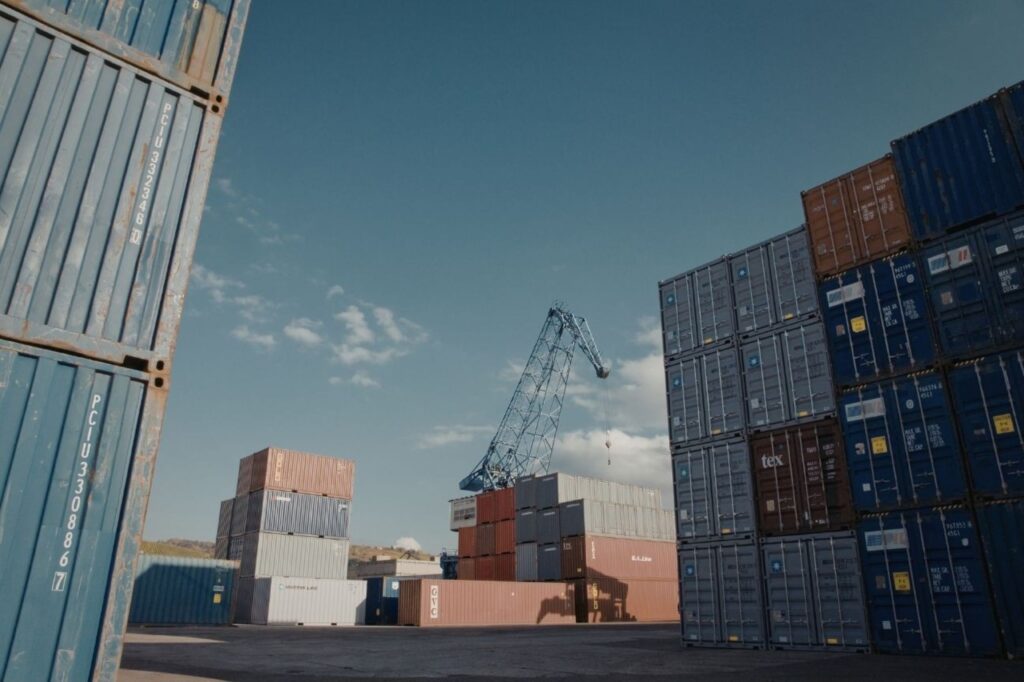
JAFZA industry focus emphasizes manufacturing, heavy industries, and bulk trading. However, automotive, pharmaceuticals, and FMCG companies operate extensively. Also, port access supports import-export businesses requiring container shipping.
Service companies including consultancies and agencies suit DAFZA better. Meanwhile, product-based businesses needing warehousing prefer JAFZA facilities. Certainly, trading companies evaluate based on cargo type.
Technology and innovation both zones welcome IT companies and startups. For example, DAFZA offers dedicated tech zones while JAFZA. Besides, fintech and blockchain companies increasingly choose DAFZA.


Terrace dining Dubai: 6 spots to book now
Cooler evenings are returning to Dubai, and that means one thing: terrace season is here. From a dreamy Portuguese canal-side...

Dubai property market: what comes next
Dubai's property market posted AED 286 billion in sales in the first half of 2026 alone, with off-plan demand and...
How Do Facilities and Infrastructure Differ Between Zones?
DAFZA facilities include business centers, warehouses, and logistics hubs. Therefore, Grade A office buildings with modern amenities throughout. Currently, mixed-use developments integrate retail and dining options.
JAFZA facilities offer industrial warehouses, manufacturing plots, and storage yards. However, larger spaces available accommodating heavy machinery and equipment. Also, dedicated zones for automotive, food, and chemicals.
Transportation access DAFZA connects directly to Dubai Metro and airport. Meanwhile, JAFZA provides dedicated highway access and port connectivity. Nevertheless, both zones offer shuttle services for employees.
Business support DAFZA provides business centers with meeting rooms and reception. Thus, shared facilities reduce overhead for small companies. Furthermore, JAFZA offers industrial support services and customs clearance.
Expansion options DAFZA allows easy upgrades from flexi-desk to offices. On the other hand, JAFZA enables scaling from warehouse to. Specifically, flexible lease terms accommodate business growth phases.
Community amenities both zones feature cafeterias, banks, and service centers. Meanwhile, JAFZA includes accommodation facilities for employees on-site. Also, medical centers and nurseries support workforce needs.












مقارنة منهجية غاية في الأهمية لكل من يسعى لتوطين أعماله في بيئة دبي الديناميكية. إن التمييز بين القيمة الاستراتيجية لـ ‘جافزا’ كشريان نابض للتجارة البحرية واللوجستية، و’دافزا’ كمركز محوري للصناعات التقنية والخدمات التي تتطلب كفاءة زمنية عالية، يضع أمام المستثمر رؤية واضحة لاختيار الحاضنة الأنسب لنموذج أعماله. مقال يختصر الكثير من الجهد البحثي ويؤكد على مرونة وتعدد الخيارات الاستثمارية التي توفرها دولة الإمارات لتلبية تطلعات مختلف القطاعات الاقتصادية. شكراً لكم على هذا المحتوى النوعي.
A brilliant comparative guide that simplifies a complex strategic decision for many entrepreneurs. Understanding the distinct logistical advantages—JAFZA’s unparalleled sea-freight connectivity versus DAFZA’s high-velocity air-trade efficiency—is crucial for optimizing supply chain operations. This article perfectly illustrates how Dubai offers tailored ecosystems for different business models, whether you’re in heavy industry or high-tech services. A must-read for anyone planning their market entry or expansion in the UAE.
A comprehensive strategic assessment that cuts through the noise of market entry. The JAFZA vs. DAFZA debate is essentially a question of supply chain optimization—balancing maritime-led scale with high-velocity air cargo agility. This guide provides the granular detail needed for C-suite decision-makers to align their jurisdictional footprint with specific operational KPIs. An essential reference for navigating Dubai’s diverse and specialized free zone ecosystems in 2026.