


Why Does AI Fintech Thrive in Dubai’s Banking Sector?
Dubai’s AI fintech success stems from government initiatives including the Dubai Blockchain Strategy 2020. Furthermore, regulatory sandboxes allow testing innovative solutions without full compliance burdens initially. This progressive approach accelerates development while maintaining consumer protection standards effectively.

Additionally, Dubai’s AI fintech benefits from DIFC’s regulatory framework attracting international financial institutions. For instance, over 500 fintech companies operate within the financial center accessing regional markets. This concentration creates ecosystem effects through talent pools, investors, and partnerships naturally.
Meanwhile, high smartphone penetration exceeding 95% enables rapid AI fintech adoption among UAE residents. Specifically, digital-native consumers embrace banking innovations from biometric authentication to AI-powered wealth management. This tech-savvy population provides ideal conditions for testing and scaling solutions.
What AI Fintech Innovations Transform Dubai Banking?
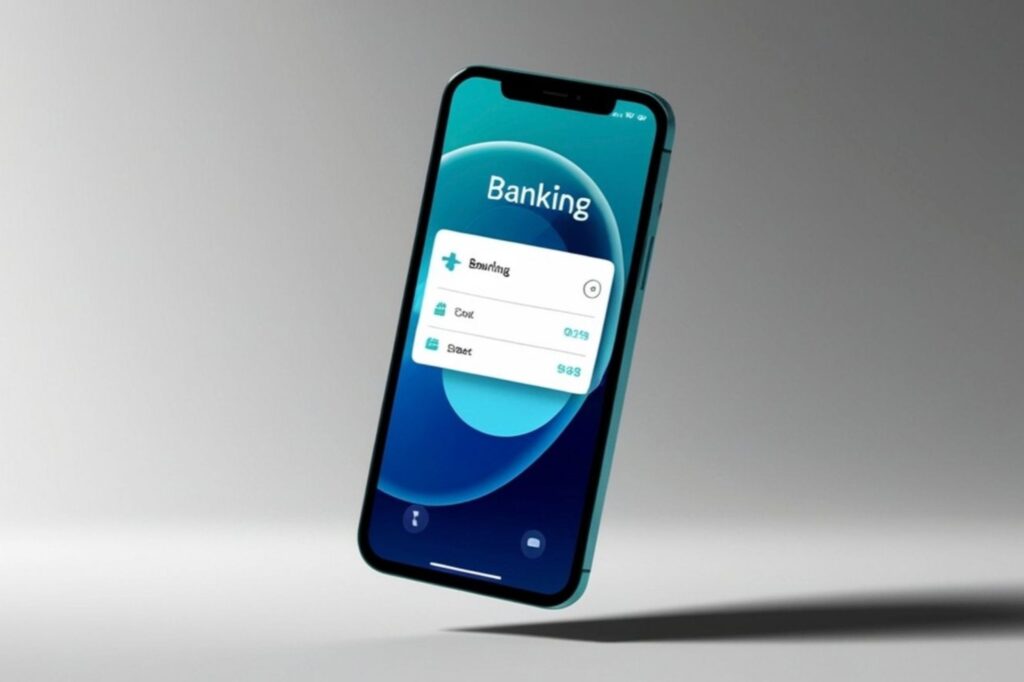
Conversational AI banking assistants deployed by Emirates NBD and Mashreq handle 80% of customer inquiries. Moreover, these chatbots provide 24/7 multilingual support reducing operational costs by 40-50% annually. Natural language processing enables understanding Arabic dialects and complex financial questions accurately.

Additionally, AI-powered credit scoring analyzes alternative data sources beyond traditional credit histories. For example, transaction patterns, social media activity, and employment data inform lending decisions. This AI fintech innovation expands financial inclusion for underserved populations and SMEs significantly.
Fraud detection systems using machine learning identify suspicious transactions in real-time preventing losses. Furthermore, algorithms analyze billions of data points detecting patterns invisible to human analysts. Dubai banks report 60% reduction in fraud losses since implementing AI fintech solutions.
How Do Investment Opportunities Emerge in Dubai AI Fintech?
Venture capital funding for Dubai AI fintech startups exceeds $500 million in 2025-2026. Moreover, sectors including payments, lending, insurance, and wealth management attract significant investments. Early-stage companies demonstrate 40-60% annual growth rates justifying premium valuations consistently.
Additionally, established banks partner with AI fintech startups through corporate venture arms and accelerators. For instance, Emirates NBD’s Future Lab invests in promising technologies providing mentorship and pilot opportunities. These partnerships offer startups market access while giving banks innovation pipelines.






Public markets increasingly offer AI fintech exposure through listings on NASDAQ Dubai and DFM. Furthermore, companies like Network International and Magnati provide liquid investment options. This market development enables retail investors accessing the sector beyond venture capital.


Mental health in Dubai’s summer
Dubai's summer is beautiful in its own quiet way, but the heat forces most residents indoors for months. That indoor...

Arabic culture in Dubai: 6 must-try experiences
Dubai offers far more than luxury towers and world-class malls. Arabic culture runs deep in this city, and residents who...

How Should Investors Evaluate Dubai AI Fintech Opportunities?
Technology assessment focuses on AI fintech scalability, defensibility, and competitive advantages critically. Moreover, proprietary algorithms, data assets, and network effects create sustainable moats long-term. Evaluating technical teams’ capabilities and intellectual property strength proves essential.
Additionally, regulatory compliance and licensing status significantly impact Dubai AI fintech investment viability. For example, companies with DFSA or Central Bank approvals reduce regulatory risk substantially. Understanding licensing timelines and capital requirements informs investment structuring and valuation.
Market opportunity analysis should quantify addressable markets across UAE and broader GCC regions. Furthermore, Dubai AI fintech companies often expand to Saudi Arabia, Qatar, and Egypt. Assessing cross-border scalability and localization requirements determines growth potential accurately.










قراءة استشرافية دقيقة لمستقبل المشهد المالي في دبي لعام 2026. إن التحول الجذري نحو ‘الصيرفة القائمة على الذكاء الاصطناعي’ يعكس التزام الإمارة بإعادة صياغة مفهوم التجربة المصرفية لتصبح أكثر ذكاءً وأماناً وتخصيصاً. اللافت في هذا التحليل هو تسليط الضوء على دور البيئة التنظيمية المرنة في دبي، والتي مكنت شركات التكنولوجيا المالية (Fintech) من ابتكار حلول توازن بين سرعة الابتكار وضوابط الحوكمة الرقمية. نحن أمام مرحلة لم تعد فيها البيانات مجرد أرقام، بل هي الأصول الحقيقية التي تقود النمو الاقتصادي المستدام. شكراً لكم على هذا الطرح القيم.
A fascinating analysis of how Dubai is pioneering the next frontier of ‘Sovereign AI’ in the banking sector. The transition toward hyper-personalized financial services—enabled by generative AI and robust data governance—is not just a technological upgrade, but a complete paradigm shift in customer experience. It’s particularly insightful to see how the DIFC and local regulators are fostering an ecosystem where innovation and trust coexist seamlessly. Dubai is clearly setting the global pace for the future of Fintech in 2026. Excellent reporting
A definitive take on the convergence of Generative AI and Fintech within the Dubai ecosystem. We are moving past the ‘pilot phase’ of digital transformation and entering an era of ‘Sovereign AI’ integration, where data residency and hyper-personalization are the primary drivers of competitive advantage. The article astutely highlights the role of agile regulatory frameworks in fostering this $100 billion-plus opportunity. Dubai isn’t just adopting fintech; it is actively engineering the global blue-print for autonomous, trust-based banking. A high-signal analysis of the 2026 financial landscape.
Worked on an open banking integration with Mashreq last quarter and the API documentation is actually solid now, big improvement from a year ago.