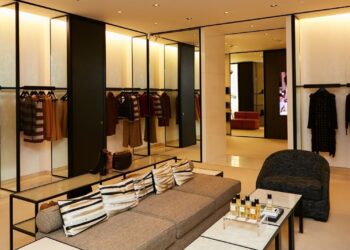

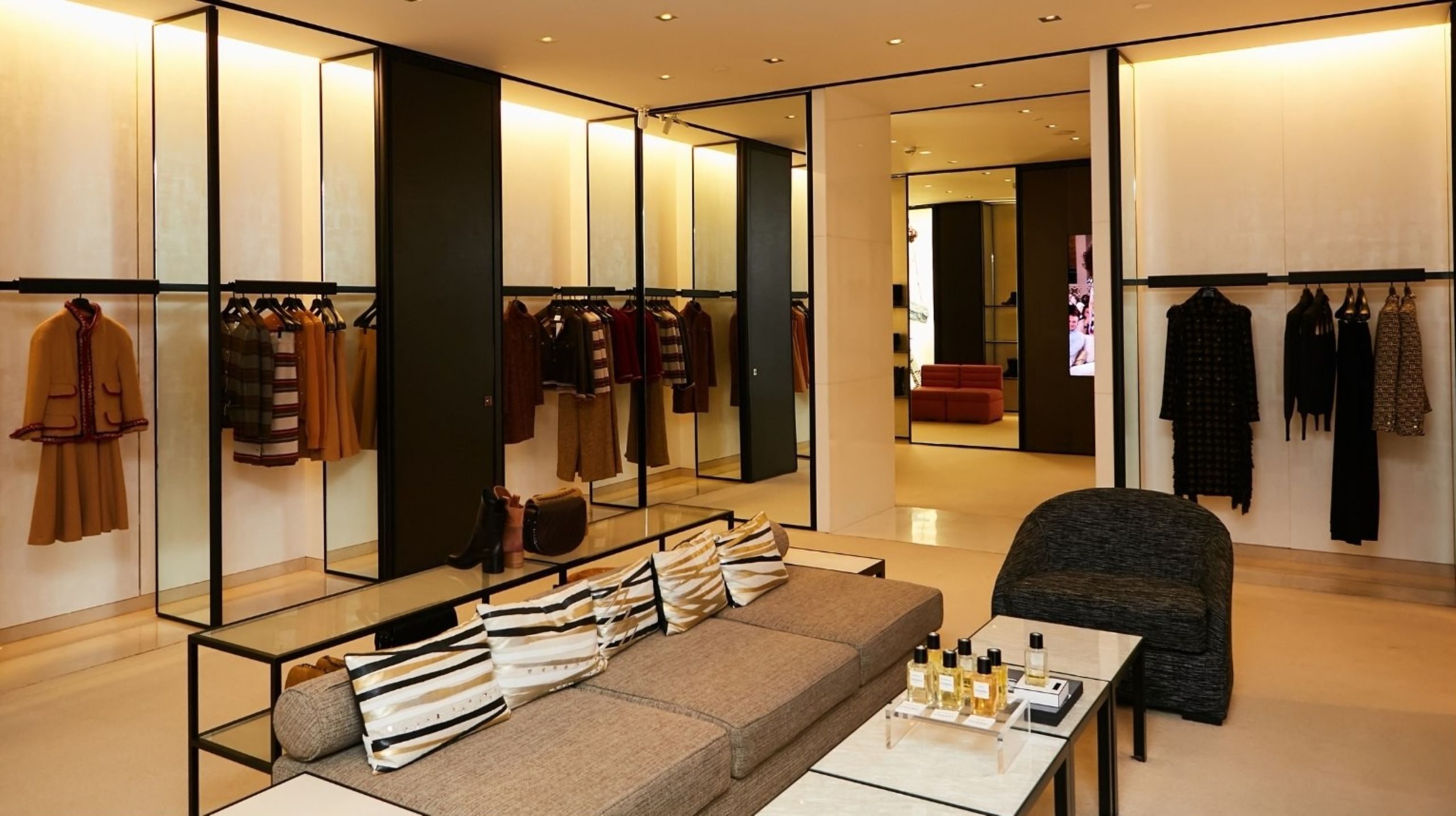
Luxury fashion retail dominates Dubai’s sophisticated shopping landscape and economic growth strategy. Furthermore, the emirate attracts the world’s most prestigious brands to its shopping centres. This concentration creates a unique luxury fashion ecosystem that is unmatched in the region. Dubai’s luxury fashion performance indicators clearly reveal the city’s economic health.
Why Does Luxury Fashion Thrive in Dubai?
Dubai’s luxury fashion success stems from its affluent resident and tourist populations. Furthermore, the emirate hosts over 20 million visitors annually seeking premium shopping. This combination creates massive demand for high-end brands and exclusive products.
Additionally, tax-free shopping gives Dubai luxury fashion retail a competitive advantage globally. Consumers save 15-20% compared to European prices on identical items. This pricing attracts shoppers from across the Middle East, Asia, and Europe.
Meanwhile, Dubai’s strategic location bridges Eastern and Western luxury fashion markets perfectly. For instance, brands test Asian collections here before wider regional launches. This positioning makes Dubai essential for global luxury fashion strategies.
What Drives Luxury Fashion Performance in Dubai?
Tourist spending powers Dubai luxury fashion retail growth significantly throughout the year. Moreover, Chinese, Indian, and Russian visitors contribute billions to premium sales. These international shoppers seek authentic products at competitive prices consistently.
Additionally, local Emirati and expat residents drive consistent luxury fashion demand. The UAE’s high per-capita income supports regular purchases of designer goods. This stable domestic market complements seasonal tourist spending patterns effectively.
Exclusive product launches and limited editions boost luxury fashion performance in Dubai. Specifically, brands premiere collections here alongside Paris, Milan, and New York. These exclusive releases create urgency and maintain Dubai’s fashion capital status.
How Do Mall Economics Support Luxury Fashion?
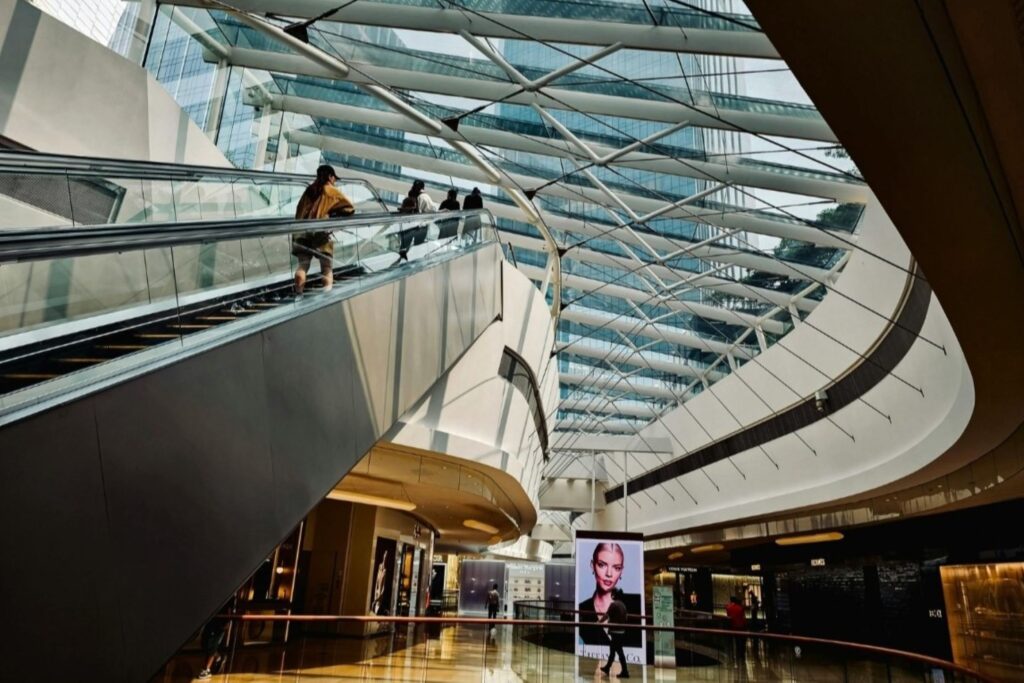
Dubai’s mall economics revolve around luxury fashion anchor tenants attracting foot traffic. Furthermore, premium brands occupy prime locations paying highest rents per square foot. This revenue model sustains massive mall operations and continuous renovations.
Additionally, luxury fashion drives ancillary spending throughout Dubai shopping centers significantly. Indeed, shoppers buying designer items also dine at restaurants and visit entertainment. This multiplier effect makes luxury fashion tenants extremely valuable economically.
Mall developers compete fiercely to secure exclusive luxury fashion brand agreements. For example, Dubai Mall, Mall of the Emirates, and City Walk offer unique incentives. These partnerships shape Dubai’s retail landscape and tourist appeal dramatically.
Real Success: Luxury Fashion Retail Economics
Sarah Mitchell, Retail Analyst, Gulf Luxury Consultants
“We analyzed luxury fashion performance across Dubai’s top malls in 2025. Sales per square foot averaged $12,000 annually for premium brands like Chanel and Hermès. This figure exceeds most global luxury fashion markets by 30-40% consistently.
Our data shows Dubai luxury fashion retail grew 18% last year despite global headwinds. The city’s unique combination of tourism, wealth, and infrastructure drives exceptional performance. No other regional market matches Dubai’s luxury fashion economics currently.”
Luxury Fashion: Dubai Retail Economics 2026
Luxury fashion retail dominates Dubai's sophisticated shopping landscape and economic growth strategy. Furthermore, the emirate attracts the world's most prestigious...

Gulfood Exhibition: F&B Import Market and Food Industry Investment
The Gulfood exhibition is the world's largest annual food and beverage trade show. This Dubai event attracts over 5,000 exhibitors...
Free Zone Business Setup: Dafza vs Jafza Comparizon And Industry Sectors
Free zone business setup offers Dubai entrepreneurs 100% foreign ownership and tax benefits choosing between specialized zones. Furthermore, DAFZA (Dubai...
Fine Dining Economics: Michelin Restaurant Dubai 2026
The economics of fine dining drive the AED 8.2 billion Dubai market, with Michelin-starred restaurants establishing a presence in the...
What Are Key Luxury Fashion Performance Metrics?
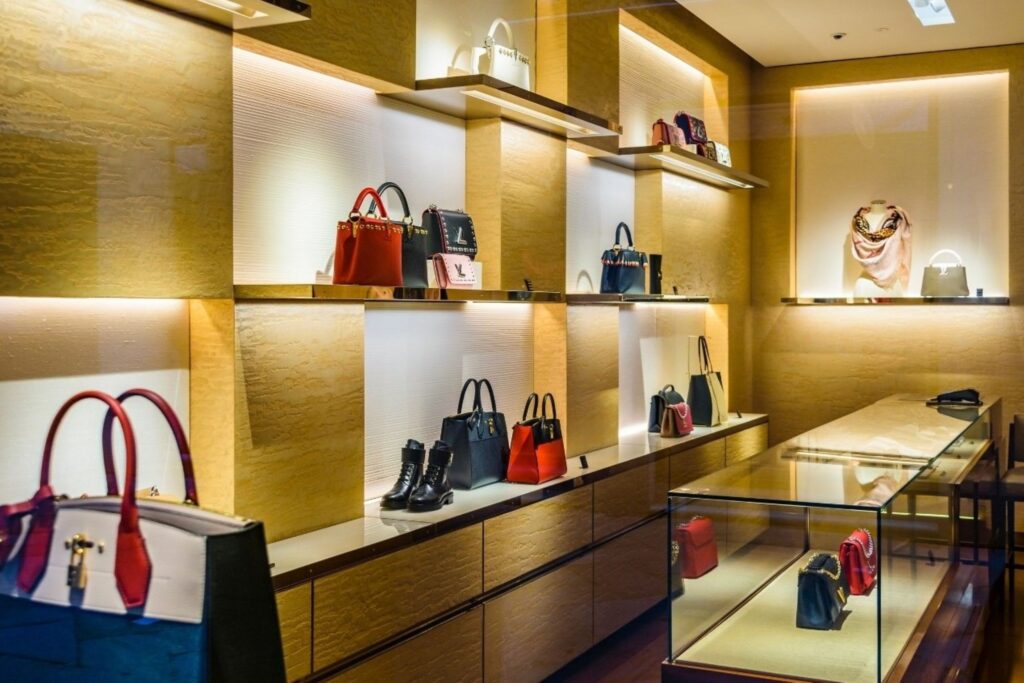
Sales per square foot remains the critical luxury fashion performance indicator in Dubai. Moreover, top-performing brands achieve $10,000-$15,000 annually per square foot. This metric determines lease renewals and expansion decisions for retailers.
Additionally, average transaction values reveal luxury fashion customer spending patterns across demographics. For instance, international tourists spend 40% more per visit than residents. Understanding these differences helps brands optimize inventory and staffing strategies.
Conversion rates measure how effectively luxury fashion stores turn browsers into buyers. Specifically, Dubai luxury fashion conversion rates average 15-20% versus 10% globally. This efficiency reflects strong purchase intent among Dubai mall visitors.
Key Luxury Fashion Performance Indicators:
- Sales per square foot: $10,000-$15,000 for premium brands
- Average transaction value: AED 3,500-8,000 depending on brand tier
- Conversion rate: 15-20% for established luxury fashion houses
- Repeat customer rate: 35-45% among resident populations
- Tourist spend contribution: 60-70% of total luxury fashion revenue
- Peak season growth: 25-35% during November-March period
How Do Mall Formats and Challenges Shape Luxury Fashion?
The Dubai Mall represents mega-mall luxury fashion economics with over 70 premium brands. Furthermore, Mall of the Emirates combines luxury fashion with lifestyle experiences through Ski Dubai. City Walk offers open-air luxury fashion retail appealing to younger consumers.
However, economic fluctuations impact luxury fashion performance more than mass-market retail significantly. Additionally, e-commerce growth and high rent costs challenge traditional mall economics increasingly. Rent can consume 15-20% of revenue in prime locations requiring exceptional performance.
Despite challenges, brands navigate cycles through flexible strategies and exclusive products. Moreover, superior in-store experiences combat online competition while maintaining Dubai’s destination appeal. Understanding these dynamics proves essential for retail investors and analysts.
Conclusion: Luxury Fashion Defines Dubai Retail Economics
Luxury fashion retail strengthens Dubai’s position as a global shopping destination. Furthermore, the performance of premium brands significantly drives mall economics and tourism revenue. The symbiotic relationship between luxury fashion and Dubai’s economy grows stronger every year.
Therefore, it is essential for retail investors and analysts to understand luxury fashion metrics. It is important to monitor performance indicators, tourist trends and mall developments closely throughout the year. Indeed, the success of the luxury fashion sector reflects the broader health and opportunity of the Dubai economy.
Are you ready to invest in Dubai retail? Analyse luxury fashion performance data before making investment decisions.