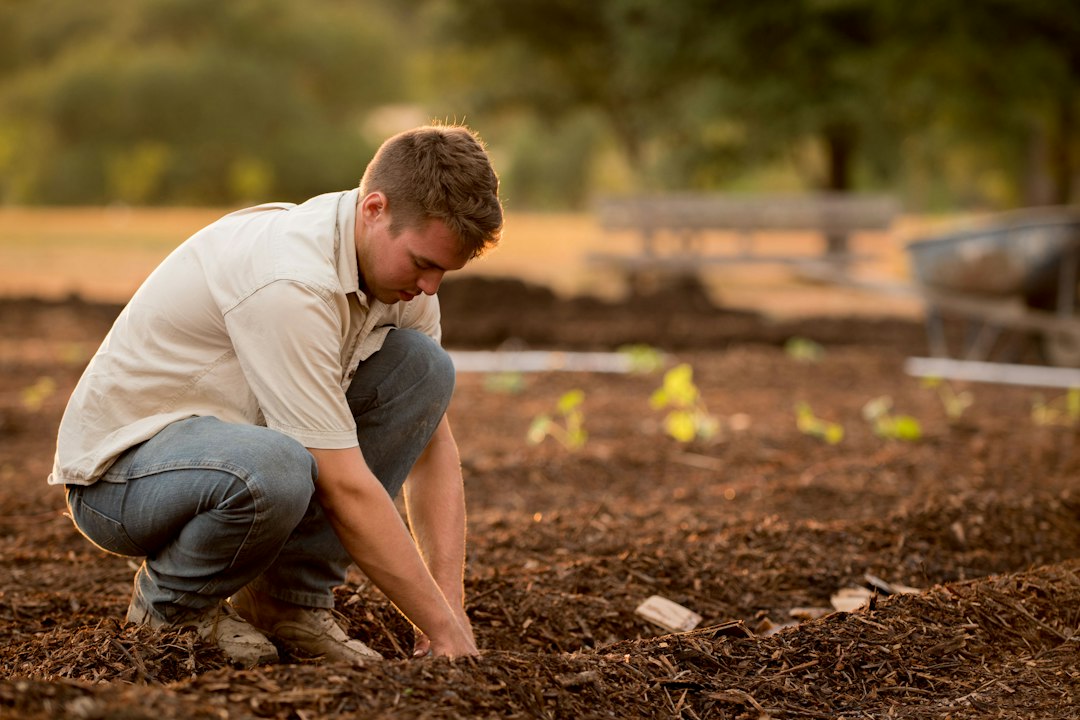
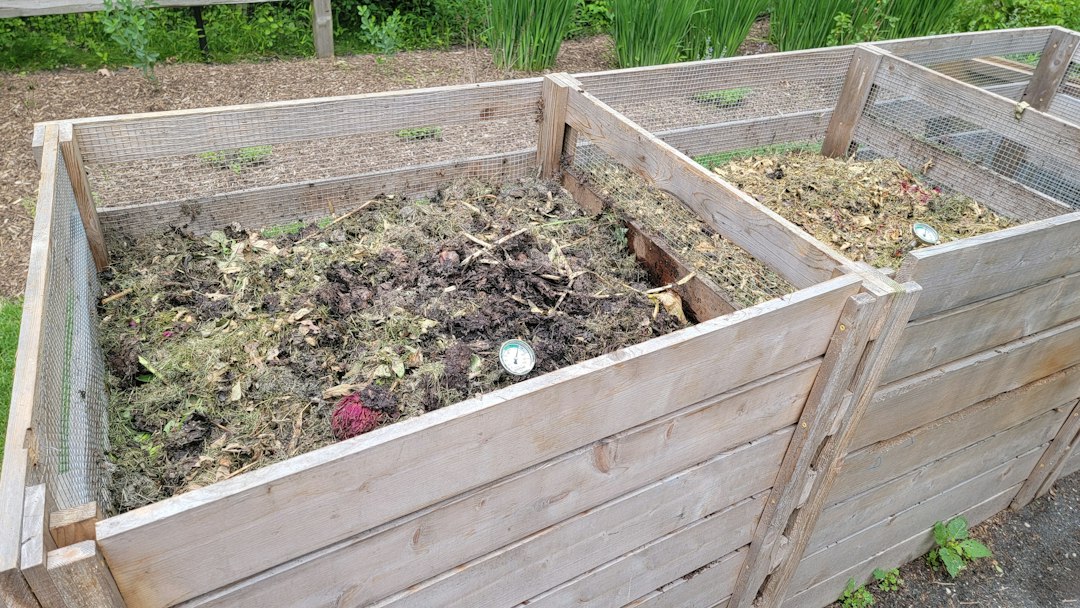
A Jumeirah villa owner lifts the lid on her balcony compost bin in July and meets a wall of heat that has stalled the pile for weeks. She waits for November, when the city's daytime average cools and the nights finally allow microbes to work again. Home composting in Dubai follows the calendar as much as the kitchen bin. Setting it up correctly before the cooler months arrive turns a stalled hobby into a habit that lasts through spring.
Why home composting gets easier once the heat breaks
Dubai's composting problem is mostly a heat problem. Through the summer, decomposition either stalls in the dryness or overheats and kills off the organisms doing the work. November brings an average temperature of 25.9°C, with lows of 21.1°C and highs of 30.7°C. December cools further, averaging 21.9°C with a minimum of 17.3°C and a maximum of 26.5°C.
Winter in the UAE starts around 25 November, when the average daytime high at Dubai International falls below 30°C. That shift matters for a compost pile far more than it matters for a daily commute. Lara Hussein, CEO of the Dubai-based composting startup The Waste Lab, has pointed to the same seasonal pattern: the heat and dry conditions make composting tricky, though natural decomposition methods can still adapt to local conditions. Starting a bin in late November, rather than fighting the July sun, gives the pile a better chance of surviving its first few weeks.
What the numbers show about Dubai's food waste
At The Waste Lab, a women-owned UAE startup, organic waste collected from homes and commercial kitchens is turned into nutrient-rich compost through a finely tuned decomposition process at a facility on the outskirts of Dubai. Over one tracked period, the company recorded a 62 per cent drop in food waste, equal to more than 400,000 meals saved and nearly 726 tonnes of CO2 emissions avoided. Its newer site in Dubai's Food Tech Valley covers 900,000 square feet and is designed to process 50,000 tonnes of food waste a year, converting scraps into compost, animal feed and reclaimed water.
Other operators are testing different models at building scale. Fakhruddin Properties launched Dubai's first in-building composting and waste sorting system in May 2025 at Trafalgar Central in Dubai International City, a system the developer says diverts 90 per cent of residential waste from landfill at zero cost to residents. Colour-coded bags sort organic waste from general rubbish, with green bags for organics and black for general waste, while on-site units handle the processing. These are commercial pilots, not universal rules, but they show what a well-run bin at home can realistically achieve on a smaller scale.
Who benefits from home composting: villas, tenants and towers
Villa owners have the easiest starting point, since a garden or back patio gives a compost pile room to breathe and space to turn it. Apartment residents face a tighter constraint, though it is not an impossible one. Bokashi composting, which ferments waste anaerobically using effective microorganisms, suits small indoor spaces and low volumes of waste, though it performs poorly in high summer heat without climate control. That makes it a reasonable winter-season option for a kitchen counter in a Downtown or Marina apartment.
Villa owners who prefer not to build a bin from scratch can arrange it through garden maintenance and setup services, which can position a compost corner correctly on the first try. For residents with no outdoor space at all, a community option already exists. A global project called MakeSoil invites eco-conscious residents to let their homes become collecting sites for neighbours' food waste, with hosts known as "soil makers" and contributors as "soil supporters." Homes in Dubai, Abu Dhabi and Sharjah already act as collecting sites under the scheme.
What comes next for composting across Dubai
The municipal picture is shifting too, in ways that will affect how home composting fits into city rules. Dubai Municipality plans to replace large communal waste containers with two bins for each home, one for general rubbish and one for recyclables, under its My City, My Environment project. Barcoded bins will let the municipality monitor collection and track how much waste individual households generate, with the Chief Executive of the Waste and Sewerage Agency noting the data will help identify homes that have cut waste significantly.
Separately, Dubai Municipality has launched Circle Dubai, a programme aimed at embedding source segregation practices across the emirate, reducing reliance on landfills, and promoting a reuse-first culture. Under a strategic partnership, Dubai Holding will install and operate composting units in selected commercial establishments, converting organic waste into fertiliser on site. What remains unclear is whether the household recognition scheme promised alongside the new bin rollout will extend any reward to residents who compost at home rather than simply sort their rubbish; those details are still expected to be announced at a later stage.