You want to join a cycling group in Dubai, but the pace speeds, the helmet rule and the right track feel confusing before your first ride. Group cycling here runs on strict etiquette, and some packs average 38km/h from the first kilometre. The good news is that Dubai has enough clubs, tracks and bike shops to match almost any fitness level, provided you know which one to pick and what to bring. This guide breaks down the clubs, the gear and the tracks so your first group ride goes smoothly.
Which Dubai cycling group matches your pace
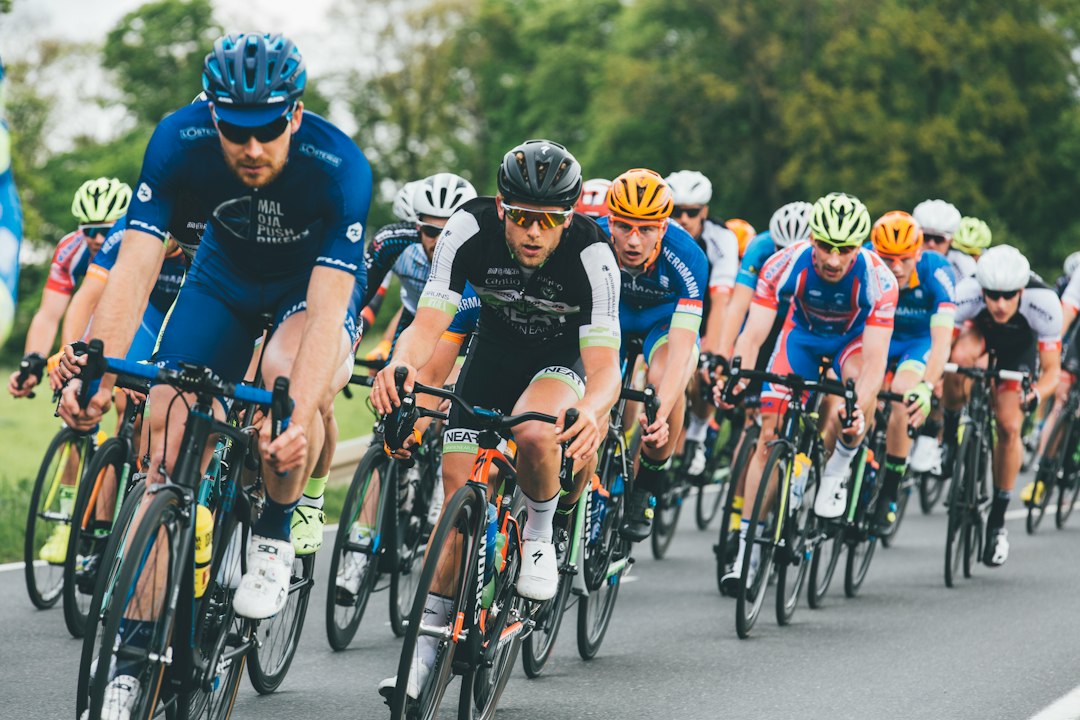
Wolfi's Bike Shop organises and manages Dubai Roadsters, the longest running bike shop in the city. The club brings together a diverse group of avid riders with a variety of skills and fitness levels, and it has been riding in Dubai since the year 2000. The shortest Sunday option still asks a lot: the "steady" ride covers 85km at an approximate average speed of 37km/h. A faster group exists too, and joining it means feeling comfortable in a large bunch, completing a 75km route and holding a 38km/h pace.
If that sounds too fast for a first outing, Cycle Safe Dubai runs a gentler schedule. The club hosts cycling sessions on Friday mornings at the Al Qudra Cycling Track and Saturday morning coffee runs in Bab Al Shams. It is probably the most popular cycling club in Dubai, which makes it a sensible first stop for newcomers who want company without the race pace.
Revolution Cycles takes a different approach. The club dominates every Wednesday at the Dubai Autodrome and offers a strong welcome pack for beginners, covering health and fitness benefits, biking accessories and gear. Beyond these three, popular clubs in Dubai also include Velo Vixens, Emirates Road CC and Desert Rouleurs CC, so riders who want a smaller or women-only group have options too.
The gear list before your first ride
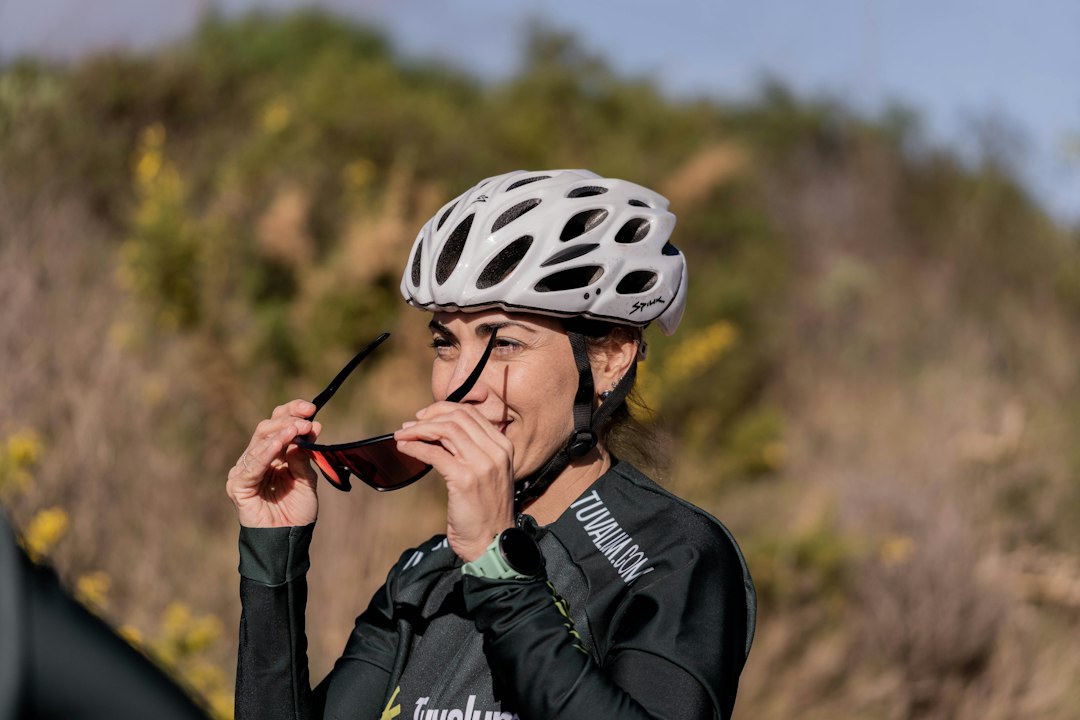
Dubai treats helmets as a legal requirement, not a club preference. Every cyclist must wear a helmet when riding on public roads or tracks, and fines can range from AED 200 to AED 500 for violations such as not wearing a helmet or cycling in restricted areas. Clubs enforce the same standard internally: all of these groups have a strict no helmet, no ride policy.
Lights matter just as much for early starts. Dubai Roadsters asks every rider to arrive with a bike in good working condition, a helmet, and lights for the early part of the morning. After dark, the law goes further: riders must wear visible or reflective clothing when cycling after sunset.
A short mechanical check pays off once you are far from a bike shop. Before a long ride, give the bike a fifteen-minute check and carry a tube, a pump and a multi-tool, since Al Qudra sits thirty kilometres from town and taxis out there are scarce. Desert loops also mean carrying your own water, because water stops exist around the route, but you should treat the loop as self-sufficient and carry plenty of water.
Where the group rides: tracks, not traffic
Al Qudra is the default meeting point for most clubs, and it splits into clear routes. Route 1 is a 50km loop recommended for beginners, Routes 2 and 3 are smaller and more challenging routes for professionals, and Route 4, known as the Stick, is a 17.5km straight road running parallel to Al Qudra Road. There is no cost to use the track itself, though renting a bike costs AED 55 for two hours on weekdays and AED 97 for two hours on weekends.
Speed rules change depending on where you ride, which surprises many new cyclists. Under Dubai's cycling regulations, Al Qudra and Seih Al Salam are classed as external training tracks and carry no speed limit at all, unlike the urban paths in the city, capped at 20km/h, or amateur tracks such as Nad Al Sheba, capped at 30km/h. If you want a shorter, closed session with facilities, Nad Al Sheba's roughly 10km circuit works well for closed-loop training with showers and changing rooms, and you can browse other sports centers in Dubai if you want a gym base to pair with your riding schedule.
The network keeps growing too. There are 560 kilometres of dedicated cycle track in the emirate today, and the Roads and Transport Authority is taking that to 1,000 kilometres by 2030, which should eventually connect more neighbourhoods directly to the desert loops. Heat still sets the clock though, so most groups start before sunrise and finish before the midday sun takes over.
What riders get wrong about Dubai's cycling rules
Many newcomers assume an empty desert road is fair game once the official track ends. It is not: it is the law to always wear a helmet in the UAE, and you should also avoid cycling on the major highways or dedicated pedestrian paths, otherwise you could be in for a fine. Cyclists are only allowed to ride on designated cycling tracks or low-speed roads, and the RTA website lists the approved cycling routes.
A second misconception involves e-bikes. Riders sometimes assume the motor removes the helmet requirement, but e-bikes are allowed in specific areas approved by the RTA, and riders must still wear helmets and use designated cycling paths.
A third misconception concerns cost and commitment. Dubai Roadsters feels informal partly because there are no fees to ride with the group, as it is an informal, though regular, gathering of cyclists. You also do not need a driving licence to start: you don't need a driving license to ride a bicycle in Dubai. Fitness, not paperwork, decides whether you can keep up.
What this means in practice
Start by matching your fitness to a schedule rather than a club name. Try Cycle Safe Dubai on a Friday morning at Al Qudra if you want a social pace, or Revolution Cycles on a Wednesday at the Dubai Autodrome for a structured beginner welcome. Buy a helmet and front and rear lights before anything else, since every group checks for them at the start line. Do a basic bike check, pack a tube and multi-tool, and ride Al Qudra's Route 1 loop first to judge your own pace before attempting a club's full distance.
If you want a longer-term target, aim for the Spinneys Dubai 92 Cycle Challenge. The most recent edition took over the wide-open, traffic-free streets of Dubai for a 92km journey, held in partnership with the Dubai Sports Council as an official qualifier for the UCI Gran Fondo World Championships. All participants needed a roadworthy bicycle and a helmet, which is the same baseline every weekly group ride already expects from you.