
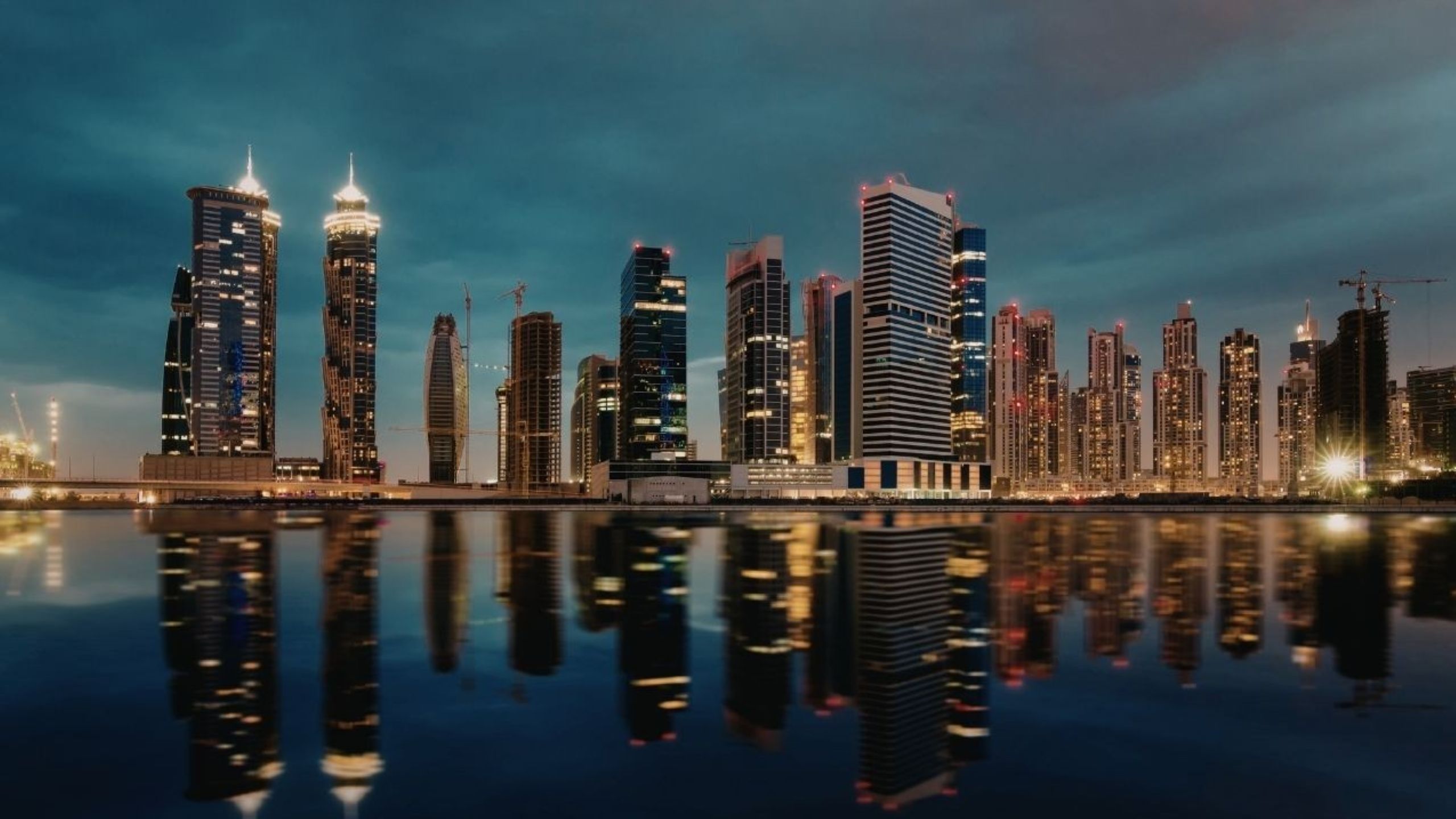
لماذا يواصل اقتصاد دبي أداءه القوي في الربع الثاني؟
يستفيد اقتصاد دبي من الموقع الجغرافي الاستراتيجي الذي يربط أوروبا وآسيا وأفريقيا بسلاسة. علاوة على ذلك، تتيح البنية التحتية العالمية المستوى بما في ذلك المطارات والموانئ والمرافق اللوجستية تدفقات تجارية فعالة. تجذب ميزة الاتصال هذه الشركات متعددة الجنسيات التي تؤسس مقرات إقليمية ومراكز توزيع.
بالإضافة إلى ذلك، يزدهر اقتصاد دبي من خلال السياسات التقدمية التي تجذب الاستثمار الأجنبي والمواهب عالميًا. على سبيل المثال، تخلق الملكية الأجنبية بنسبة 100%، والتأشيرات طويلة الأجل، وضريبة الدخل الصفرية مزايا تنافسية. تولد هذه اللوائح الصديقة للأعمال تدفقات استثمار أجنبي مباشر ثابتة تتجاوز $20 مليار دولار سنوياً.
Meanwhile, Expo 2020’s legacy infrastructure supports the Dubai economy through enhanced tourism and business facilities. Specifically, the Expo site transformation into Dubai South creates innovation districts and commercial zones. This ongoing development maintains construction momentum and economic activity throughout 2026.
ما هي القطاعات التي تدفع نمو اقتصاد دبي في الربع الثاني؟
Real estate and construction lead the Dubai economy with mega-projects worth AED 150+ billion underway. Moreover, developments like Dubai Creek Harbour, Bluewaters, and Mohammed bin Rashid City create jobs and demand. The sector contributes 14% of GDP demonstrating sustained importance despite cyclical nature.

Additionally, tourism and hospitality drive the Dubai economy with 17+ million visitors projected in 2026. For example, hotels achieve 80% occupancy rates generating AED 35 billion in revenue annually. New attractions like Museum of the Future and expanded shopping festivals maintain destination competitiveness.
ترسي الخدمات المالية اقتصاد دبي من خلال نمو مركز دبي المالي العالمي كمركز عالمي للتمويل الإسلامي. علاوة على ذلك، يخلق الابتكار في التكنولوجيا المالية وتوسع الخدمات المصرفية الرقمية فرص عمل عالية القيمة ومساهمة في الناتج المحلي الإجمالي. تستمر حصة القطاع البالغة 12% من الناتج المحلي الإجمالي في التوسع من خلال الدعم التنظيمي والاستثمار في البنية التحتية.

كيف تؤثر المناطق الحرة على أداء اقتصاد دبي؟
Free zones contribute 40% of the Dubai economy employing over 450,000 professionals across sectors. Moreover, zones like DMCC, JAFZA, and Dubai Silicon Oasis offer specialized infrastructure and incentives. These ecosystems attract specific industries from commodities trading to technology development.
بالإضافة إلى ذلك، تعزز المناطق الحرة الجديدة التي تستهدف القطاعات الناشئة استراتيجية تنويع اقتصاد دبي. على سبيل المثال، تركز دبي كوميرسيتي على التجارة الإلكترونية بينما تركز D3 على التصميم والابتكار. يخلق هذا التخصص تجمعات تنافسية تجذب القادة العالميين والشركات الناشئة في وقت واحد.



تسرع المزايا الضريبية واللوائح المبسطة داخل المناطق الحرة من تشكيل الأعمال في اقتصاد دبي. علاوة على ذلك، تتمتع الشركات باستعادة الأرباح بنسبة 100% وإعفاءات من الرسوم الجمركية على الواردات/الصادرات. تضع هذه المزايا دبي كوجهة مفضلة للتأسيس في المنطقة باستمرار.

الصحة النفسية في صيف دبي
Dubai's summer is beautiful in its own quiet way, but the heat forces most residents indoors for months. That indoor...

الثقافة العربية في دبي: 6 تجارب يجب عدم تفويتها
Dubai offers far more than luxury towers and world-class malls. Arabic culture runs deep in this city, and residents who...
كيف يجب على المستثمرين الاستعداد لفرص اقتصاد دبي؟
يؤدي تخصيص القطاعات لصالح محركات النمو الهيكلي لاقتصاد دبي إلى تحسين أداء المحفظة حاليًا. علاوة على ذلك، تتلقى مشاريع التطوير العقاري والبنية التحتية اللوجستية والتكنولوجيا المالية دعمًا وتمويلًا حكوميًا. يتماشى تركيز الاستثمارات في هذه القطاعات ذات الأولوية مع الاستراتيجيات الاقتصادية الرسمية بفعالية.
Additionally, SME investment opportunities proliferate across the Dubai economy through entrepreneurship initiatives and incubators. For instance, over 200,000 SMEs contribute 45% of GDP creating diverse investment prospects. Early-stage ventures in technology and sustainability sectors offer asymmetric return potential.
توفر الشراكات بين القطاعين العام والخاص لاقتصاد دبي عوائد مستقرة من خلال مشاريع البنية التحتية والمرافق. علاوة على ذلك، تقلل الضمانات الحكومية والعقود طويلة الأجل من مخاطر الاستثمار بشكل كبير مقارنة بالمشاريع الخاصة البحتة. تناسب هذه الفرص المستثمرين المحافظين الذين يسعون إلى تدفقات نقدية يمكن التنبؤ بها والحفاظ على رأس المال.








يقدم هذا الاستشراف الاقتصادي للربع الثاني من عام 2026 رؤية متكاملة حول ‘المرونة الهيكلية’ التي يتمتع بها اقتصاد دبي، مؤكداً على نجاح سياسات التنويع الاقتصادي في خلق قطاعات نمو عابرة للتقليد. إن التركيز على التكنولوجيا المالية (FinTech) والاقتصاد الأخضر كمحركات أساسية، يعكس تحولاً جذرياً نحو ‘الاستدامة الربحية’ التي تضع الإمارة في طليعة الأسواق العالمية الجاذبة للاستثمار النوعي.
إن ما يميز هذا التقرير هو تحليله الدقيق للترابط بين الاستثمارات الرأسمالية (CAPEX) وبين تعزيز الإنتاجية الرقمية، مما يمنح المستثمرين ورواد الأعمال خارطة طريق واضحة لاقتناص الفرص في المناطق الاقتصادية الحرة والقطاعات الناشئة. هذا الأداء القوي في الربع الثاني هو نتاج طبيعي لبيئة تشريعية مرنة وقدرة فائقة على استقطاب المواهب العالمية، مما يعزز من مكانة دبي كمركز مالي وتقني لا يمكن تجاوزه في العقد الحالي.
شكراً على هذا الرصد المنهجي الذي يربط بين البيانات الكلية والمؤشرات القطاعية بأسلوب احترافي. مقال يمثل بوصلة حقيقية لكل من يسعى لفهم ديناميكيات النمو في واحدة من أكثر الاقتصادات حيوية وطموحاً في العالم.
This Q2 2026 economic outlook provides a rigorous and highly strategic breakdown of Dubai’s ‘Structural Resilience.’ It is compelling to see how the emirate has successfully transitioned from traditional growth drivers toward a high-value, ‘Future-Ready’ ecosystem led by FinTech, Green Energy, and AI-driven logistics.
The synergy between aggressive Capital Expenditure (CAPEX) and a flexible regulatory framework is what continues to solidify Dubai’s position as a premier global hub for Foreign Direct Investment (FDI). For institutional investors and tech entrepreneurs, this report highlights the critical ‘Growth Corridors’ of the decade. The shift toward ‘Profitable Sustainability’ is not just an environmental goal; it is clearly becoming the primary engine for GDP expansion and long-term economic stability in the 2020s.
Thank you for this insightful synthesis of market data and economic foresight. This is essential reading for any strategist looking to align their operations with the world’s most dynamic and digitally integrated economy. A masterclass in modern diversification
This Q2 2026 economic outlook provides a rigorous and highly strategic breakdown of Dubai’s ‘Structural Resilience.’ It is compelling to see how the emirate has successfully transitioned from traditional growth drivers toward a high-value, ‘Future-Ready’ ecosystem led by FinTech, Green Energy, and AI-driven logistics.
The synergy between aggressive Capital Expenditure (CAPEX) and a flexible regulatory framework is what continues to solidify Dubai’s position as a premier global hub for Foreign Direct Investment (FDI). For institutional investors and tech entrepreneurs, this report highlights the critical ‘Growth Corridors’ of the decade. The shift toward ‘Profitable Sustainability’ is not just an environmental goal; it is clearly becoming the primary engine for GDP expansion and long-term economic stability in the 2020s.
Thank you for this insightful synthesis of market data and economic foresight. This is essential reading for any strategist looking to align their operations with the world’s most dynamic and digitally integrated economy. A masterclass in modern diversification!
James Morrison’s 28% portfolio revenue growth figure caught my attention. Would love to see a breakdown by sector because fintech and logistics rarely scale at the same pace, those numbers might be hiding some big outliers.