

Gold souk investment data is reshaping how commodity investors see Dubai, as record prices, zero capital gains tax, and new exchange infrastructure convert a historic market into one of the world’s most efficient bullion platforms.
Why the numbers are changing the conversation
In 2025, the UAE officially surpassed the United Kingdom to become the world’s second-largest gold trading hub, with total gold trade exceeding USD 120 billion and year-on-year growth above 36%. That single figure has redirected serious attention toward Dubai from commodity investors who previously focused on London or Zurich.
According to Ole Hansen, Head of Commodity Strategy at Saxo Bank, gold prices rose more than 60% in 2025 alone and more than 110% over the past 2 years combined. For investors who entered the gold souk market early, those returns are difficult to ignore. The shift is not accidental. It follows a structural change in how Dubai positions itself within global precious metals flows.
The UAE handles roughly 15% of all global gold trade, supported by infrastructure that includes the Dubai Multi Commodities Centre (DMCC), the Dubai Gold and Commodities Exchange (DGCX), and extensive vaulting and refining networks. These are not the conditions of a retail market. They are the conditions of a commodity investment hub.
The tax environment that attracts serious capital
The gold souk district offers investors a regulatory framework that few markets match. Investment-grade gold with 99% purity and above is zero-rated for VAT, and there is no capital gains tax in the UAE. This combination makes the cost of holding and exiting positions significantly lower than in most competing jurisdictions.
Gold meeting DMCC or London Bullion Market Association (LBMA) standards consistently commands the most competitive buy-back pricing. For investors who plan to trade rather than hold, that liquidity matters. DMCC-accredited bullion dealers are the preferred option for investment-grade bars and coins, offering transparent pricing and tight spreads.
Furthermore, in 2021, the UAE introduced the UAE Good Delivery (UAEGD) standard, a certification that ensures refiners and traders meet stringent international requirements, and this standard applies to gold traded on key platforms such as the DGCX and the India International Bullion Exchange (IIBX). That standard gives institutional investors the compliance confidence they need to allocate capital at scale.
How entrepreneurs are entering the gold souk market
The new wave of investors in this district is not limited to large institutions. First-time and small-scale investors are also arriving in growing numbers. The market saw gold hit record highs in 2025, leading to a shift in consumer behavior from impulse purchases to more value-driven and investment-focused decisions.
The Dubai Gold Souk houses over 300 retailers offering gold jewelry, coins, and bars. Within that ecosystem, a distinct group of buyers has emerged: entrepreneurs who treat the souk as a procurement channel, not a shopping destination. They compare prices across vendors, verify purity, and hold bullion as a portfolio asset.






Souk traders report that they have not seen evidence of people wanting to sell, while purchases of investment bars have increased. One manager at a Deira district store confirmed that buyers are purchasing bars with an expectation of further price appreciation, and they are holding their positions.
Expert perspective on the investment shift
What commodity finance professionals observe in Dubai
The gold souk district is no longer simply a cultural or retail landmark. It now functions as an entry point into one of the world’s most sophisticated commodity investment ecosystems. Dubai’s position between Asia, Africa, and Europe means that pricing reflects genuine global flows, not a regional premium. Investors who understand this geography benefit from both physical access and financial infrastructure that most markets cannot offer in one place. The introduction of dirham-denominated contracts, round-the-clock trading proposals, and same-day settlement plans signals that Dubai is actively building a gold market that can compete with any exchange worldwide. For commodity investors, that evolution represents a fundamental change in the risk and opportunity calculus.
Industry perspective, commodity and precious metals investment professionals in Dubai
New financial products expanding investor access
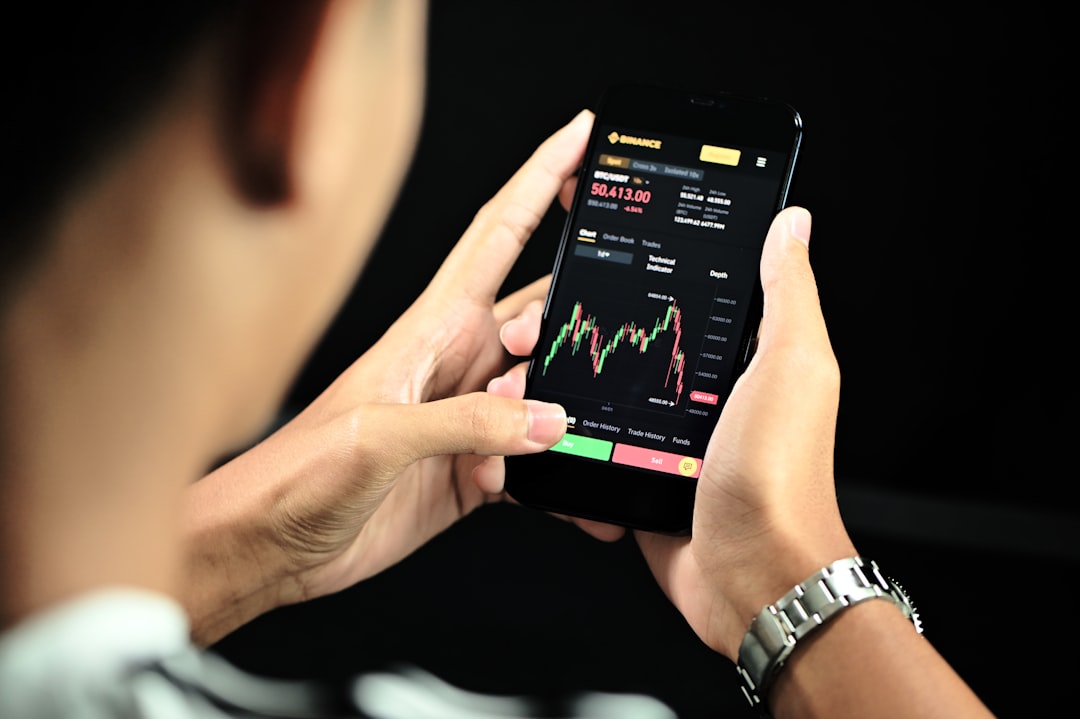
Beyond the physical market, the gold souk district sits within a broader financial product landscape that is expanding rapidly. The DGCX is set to introduce a dirham-denominated gold contract as part of efforts to boost the UAE’s role in global precious metals trading. The proposed contract, subject to approvals from the Central Bank of the UAE and the Securities and Commodities Authority, will be physically deliverable and available in both spot and monthly futures formats extending up to 12 months.
Plans are also under way for 24-hour trading and same-day settlement to link Dubai with global gold hubs. This round-the-clock trading window would make DGCX a unique differentiator versus markets like COMEX, providing continuous pricing and hedging opportunities across time zones.
Digital gold represents a form of gold ownership where investors buy and hold fractional quantities of physical gold, fully backed by gold stored in secure, regulated vaults and managed entirely online, and unlike paper gold, it represents direct legal ownership of real, deliverable gold without requiring physical possession. In Dubai, Comtech Gold is the leading regulated provider of digital gold. These platforms are pulling a younger, more technology-oriented investor into the commodity space.
Conclusion: the gold souk as a commodity investment platform
The gold souk district is no longer just a landmark. It is a data-backed, infrastructure-supported, tax-efficient entry point into one of the most active commodity markets in the world. The UAE gold market is anticipated to grow at a CAGR of 7.2% from 2025 to 2035. That trajectory rewards investors who act on fundamentals, not sentiment.
For commodity investors evaluating Dubai, the gold souk offers physical access, regulated financial products, and a regulatory environment that prioritizes capital efficiency. The market data is clear. The infrastructure is in place. The question for investors is no longer whether the gold souk deserves attention. The question is how much capital to allocate and which products best fit the strategy.

Discover more about gold souk
- DMCC Gold and Precious Metals, Official Fact Sheet
- World Gold Council and DMCC Joint Programme, Industry Research
- Reuters via Investing.com: Dubai’s Gold Souk and the bullion investment shift