
Dubai property is entering a more selective, data-driven phase in 2026, and the signals from the region’s biggest real estate gathering are pointing in one clear direction: quality, location, and long-term capital.
What Cityscape Global tells the wider region
Cityscape Global is the Gulf’s most-watched real estate event. The 2026 edition runs from 16 to 19 November at the Riyadh Exhibition Convention Centre, gathering 577 exhibitors and more than 160,000 industry professionals. The scale of the show matters to Dubai investors because the Gulf property cycle moves as one connected system. When transaction records break in Riyadh, confidence rises in Dubai too.
The previous Riyadh edition of Cityscape Global closed with a record $61.3 billion in real estate transactions, a 109% growth year on year. That result reset expectations across the region. Dubai developers, brokers, and institutional investors attend the event to benchmark sentiment, form partnerships, and read the direction of regional capital flows.
Cityscape Global connects business-to-business and business-to-consumer buyers and investors with developers, architects, consultants, and government entities. For the Dubai market, this network is a direct pipeline for the international capital that sustains its property cycle.
Dubai property numbers set a strong baseline
The data behind the Dubai property story in 2026 is concrete. Dubai property sales reached $78 billion across 79,229 transactions in the first half of 2026, with more than 67,000 property units sold. That figure positions Dubai among the most active real estate markets in the world for this period.

Dubai’s real estate sector delivered a strong performance in the first quarter of 2026, with total transactions reaching AED 252 billion, marking a 31% year-on-year increase in value and a 6% rise in volume. These numbers reflect sustained demand, not a one-month spike. The investor base expanded to 48,448, an 8% increase, including 29,312 new investors, up by 14%. New investor entry at that rate signals that the market continues to attract participants who have not yet committed capital to Dubai.
104 real estate projects were completed in the first half of 2026, compared to 75 in the same period of 2025, a rise of 38.7%. The total investment value of these projects exceeded AED 111 billion, compared to AED 73 billion in the first half of 2025, marking 52% growth.
Off-plan activity and the investor profile shift
Off-plan property remains the segment that most clearly defines Dubai’s current market structure. The real estate trends in 2026 show a clear shift toward sustainable growth, with off-plan projects dominating supply while luxury and mid-market segments both perform strongly. Developers are responding to this demand with a consistent pipeline of new launches.
Investments in luxury real estate delivered robust performance, reaching AED 87.71 billion, a 26% increase, reflecting sustained demand for high-quality developments and further reinforcing Dubai’s position as a leading global destination within this segment. Meanwhile, mid-range investors are not sitting out. Average rental yields for residential properties range from 5% to 7%. That range remains among the most competitive for any major city globally.






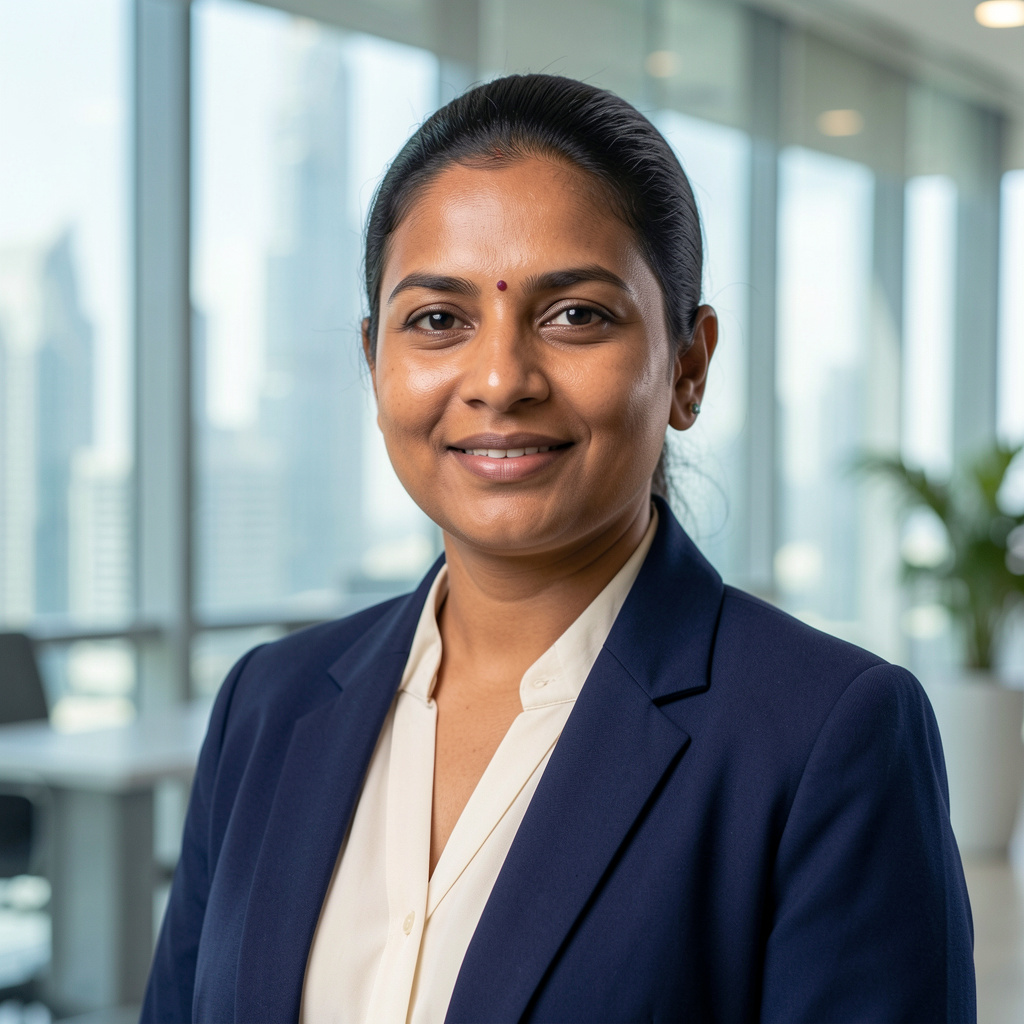
One entrepreneur active in Dubai South described her decision to enter the off-plan market as straightforward: the payment plan structure, the rental yield projections, and the visa-linked ownership benefits made Dubai property the clearest capital allocation choice compared to European alternatives she had evaluated. Her experience is consistent with what the broader investor data reflects.
Expert perspective on market maturity
Expert perspective on market maturity
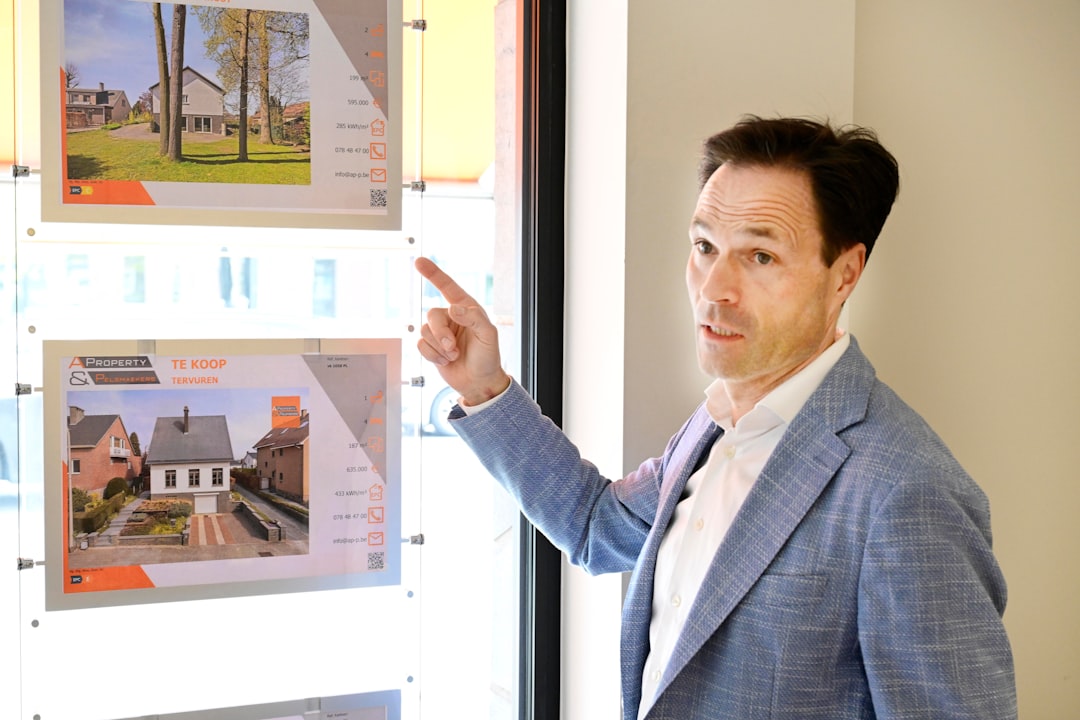
The Dubai property market in 2026 is not a boom market in the traditional sense. It is a market in transition to institutional quality. The investors entering now are more sophisticated, more data-aware, and more focused on asset selection than at any previous point in the cycle. Off-plan continues to dominate, but the conversation has shifted from volume to value. Buyers are asking harder questions about location, developer track record, and exit liquidity. The foreign capital flows we are tracking confirm that Dubai is now competing directly with Singapore and London for long-term portfolio allocation, not just speculative short-term plays. That is a structural shift, and it changes how developers must position new projects.
Industry perspective, real estate investment and market analysis professionals in Dubai
Supply growth adds new opportunity and new risk
Dubai is heading into the second half of 2026 with approximately 120,000 units scheduled for handover, which analysts say will likely put pressure on prices and rents as inventory comes online. Dubai closed 2025 with approximately 270,000 real estate transactions worth AED 917 billion, a 20% year-on-year rise.
This supply dynamic creates a more selective environment. The Dubai housing market has become more balanced during the first half of 2026. Rather than broad price increases or declines across the market, performance is increasingly varying by location, property type, developer quality, and supply levels. Well-positioned properties continue to perform strongly, while some areas are experiencing more moderate growth.
For investors, this distinction matters. Demand continues to rise for both residential and commercial properties, particularly in areas like Dubai Hills Estate, Dubai South, and Jumeirah Village Circle. RTA estimates property values near metro stations could rise by up to 20%. Proximity to infrastructure remains one of the most reliable value drivers in the market.
UAE GDP growth is projected at 5.6% for 2026, supported by continued non-hydrocarbon sector expansion, with Dubai-specific GDP growth forecast at 4.5%. These macro conditions support the property market from the demand side, as business growth drives population inflow and housing absorption.

Conclusion: reading the signals correctly
The Dubai property market in 2026 rewards careful reading over broad optimism. Dubai continues to stand out as one of the world’s most attractive property markets for investors seeking strong rental yields, capital growth potential, and tax-efficient returns. In 2026, the market has entered a more mature and selective phase. Transaction volumes remain robust, foreign capital inflows are strong, and structural drivers such as population growth, infrastructure expansion, and investor-friendly policies continue to support long-term demand.
As Cityscape Global draws the region’s capital and deal-making energy together this November, Dubai property investors have a clear framework for action. Choose location with precision, favour developers with completion track records, and treat rental yield as the performance floor rather than the ceiling. The Dubai property market in 2026 offers genuine returns for investors who apply discipline. That is the signal worth acting on.
Discover more about Dubai property
- Dubai Land Department: Q1 2026 Real Estate Transactions Report
- Arabian Business: Dubai Real Estate Trends and H1 2026 Sales Data
- Cityscape Global 2026: Official Event Information