
Dubai’s fashion designers are revolutionizing sustainability through upcycling, transforming discarded textiles into exquisite wearable art. Furthermore, these creative visionaries prove that circular fashion elevates rather than compromises aesthetic excellence. Moreover, from vintage fabrics to industrial waste, innovative minds reimagine materials others discard. Therefore, understanding Dubai’s upcycling movement reveals how fashion designers balance environmental responsibility with luxury craftsmanship. Additionally, these pioneers demonstrate that sustainable fashion transcends trends—it represents the industry’s inevitable evolution. Indeed, each upcycled piece tells stories of transformation, creativity, and conscious consumption. Consequently, Dubai emerges as a regional hub where circular fashion meets cutting-edge design innovation.
The Rise of Upcycling in Dubai’s Fashion Scene
Dubai’s fashion designers increasingly embrace upcycling as textile recycling and ethical production methods gain prominence. First, Dubai Fashion Week 2024 emphasized reduced environmental impact through innovative circular practices. Additionally, the UAE government’s Dubai Fashion Initiative drives waste reduction while supporting local artisan communities.
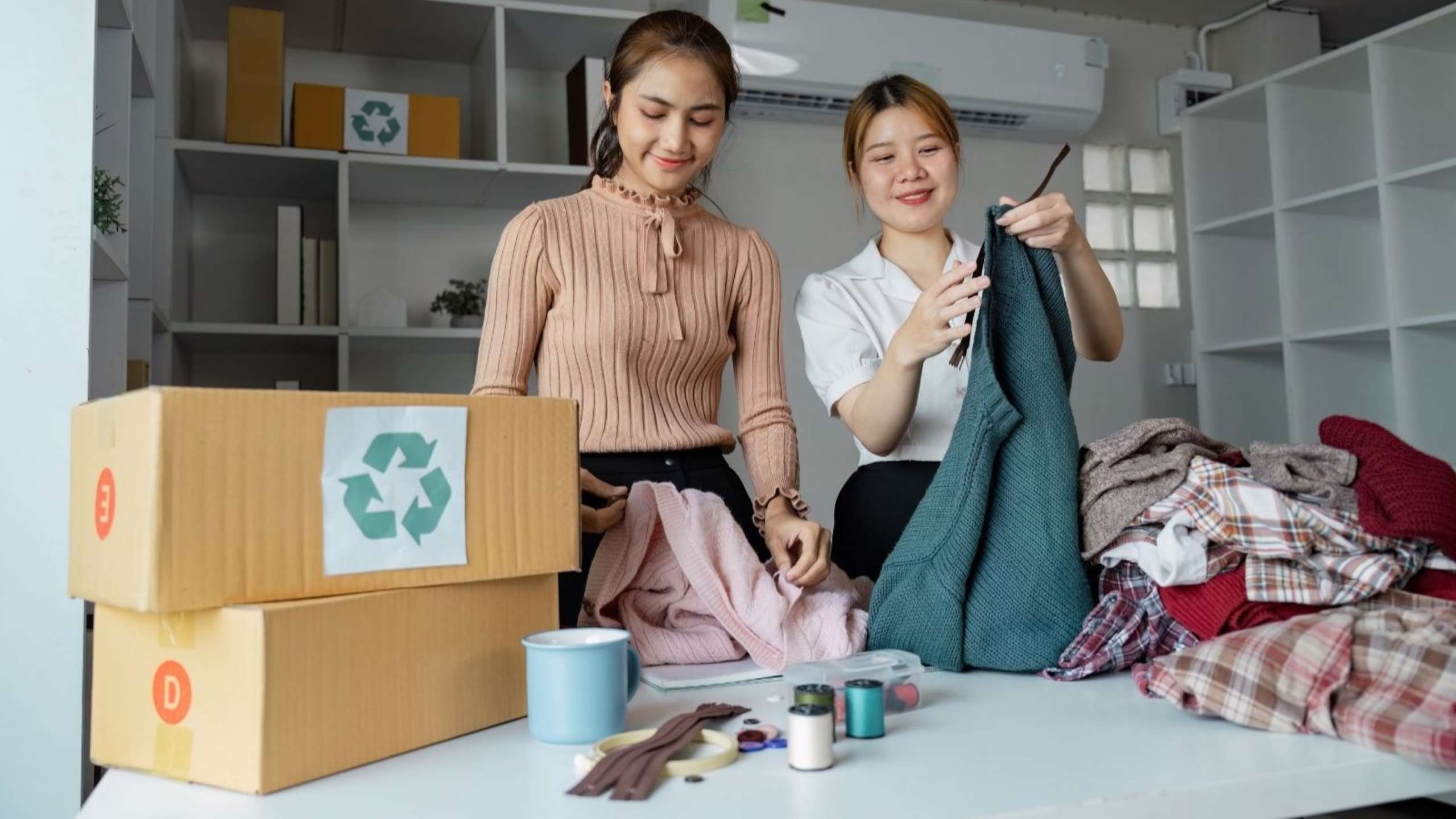
Moreover, upcycling transcends simple recycling—it involves creatively repurposing existing materials into higher-value products. Furthermore, fashion designers transform vintage garments, textile waste, and industrial materials into contemporary luxury pieces. For instance, this approach challenges fast fashion’s disposable mentality through thoughtful, artistic creation.
Meanwhile, sustainability has evolved from niche concern to core principle among Dubai’s fashion designers. Consequently, consumers increasingly seek brands aligning with environmental values without sacrificing style. Thus, upcycling represents both ethical imperative and aesthetic opportunity in modern fashion design.
Poojitha Lakshman – Upcycling Innovation Leader
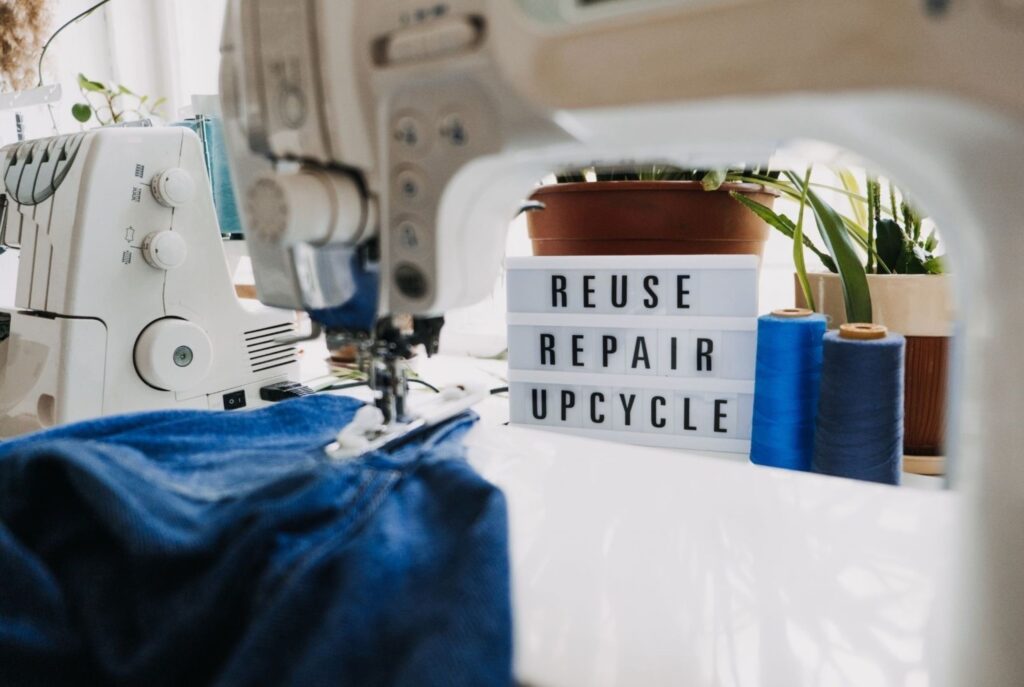
Poojitha Lakshman stands as Dubai’s recognized upcycling expert, leading workshops that blend culture, creativity, and circular fashion. First, she teaches traditional Furoshiki—the Japanese fabric-folding technique eliminating waste through creative textile use. Additionally, her workshops demonstrate how to repurpose leftover textiles for everyday applications beautifully.
Moreover, Lakshman’s approach brings traditional techniques into contemporary sustainable fashion contexts. Furthermore, her teaching style encourages participants to view textile scraps as creative opportunities rather than waste. For example, Fashion Revolution UAE featured her expertise during their 2025 sustainability workshops.
Meanwhile, her work exemplifies how fashion designers can educate communities while practicing sustainable principles. Consequently, Lakshman’s influence extends beyond her own designs into broader cultural shifts. Thus, education and creativity become powerful tools for advancing circular fashion adoption.
Mochi – Celebrating Vintage Through Upcycling
Mochi embraces culture and traditional embroidery through designs focused on creating long-lasting products from previous collections. First, the brand hand-picks vintage pieces from shops worldwide, breathing new life into forgotten garments. Additionally, vibrant colors and fun prints characterize their playful yet sophisticated aesthetic approach.
Moreover, Mochi demonstrates how fashion designers can honor craftsmanship while practicing environmental responsibility. Furthermore, their commitment to longevity challenges fashion’s throwaway culture through quality and timeless design. For instance, each piece undergoes careful selection and transformation maintaining its original character.
Meanwhile, working with existing pieces reduces resource consumption while preserving textile heritage. Consequently, Mochi proves that sustainable fashion can celebrate tradition while innovating forward. Thus, their approach marries nostalgia with contemporary sensibilities beautifully.
Real Transformations in Sustainable Fashion
Layla Abdulla, Fashion Curator, Dubai Design District
“Five years ago, sustainable fashion meant compromising style for ethics in most people’s minds. Then Dubai’s fashion designers began showcasing upcycled collections at Fashion Week that rivaled luxury brand craftsmanship. Everything changed when we realized waste could become art.
I started collecting pieces from local upcycling designers exclusively. Their creative vision transforms industrial waste into statement pieces no one would guess originated from discarded materials. Additionally, conversations about my wardrobe now include meaningful stories about transformation and creativity.
The quality exceeds fast fashion exponentially—these pieces last years while maintaining beauty. Furthermore, supporting Dubai’s circular fashion movement means investing in local creative economy. My closet became a curated collection of wearable art with purpose. Indeed, upcycling fashion designers proved sustainability enhances rather than limits personal style completely.”
Luxury Fashion: Dubai Retail Economics 2026
Luxury fashion retail dominates Dubai's sophisticated shopping landscape and economic growth strategy. Furthermore, the emirate attracts the world's most prestigious...

Gulfood Exhibition: F&B Import Market and Food Industry Investment
The Gulfood exhibition is the world's largest annual food and beverage trade show. This Dubai event attracts over 5,000 exhibitors...

Free Zone Business Setup: Dafza vs Jafza Comparizon And Industry Sectors
Free zone business setup offers Dubai entrepreneurs 100% foreign ownership and tax benefits choosing between specialized zones. Furthermore, DAFZA (Dubai...

Fine Dining Economics: Michelin Restaurant Dubai 2026
The economics of fine dining drive the AED 8.2 billion Dubai market, with Michelin-starred restaurants establishing a presence in the...
Tamarind Clothing – Zero-Waste Design Philosophy
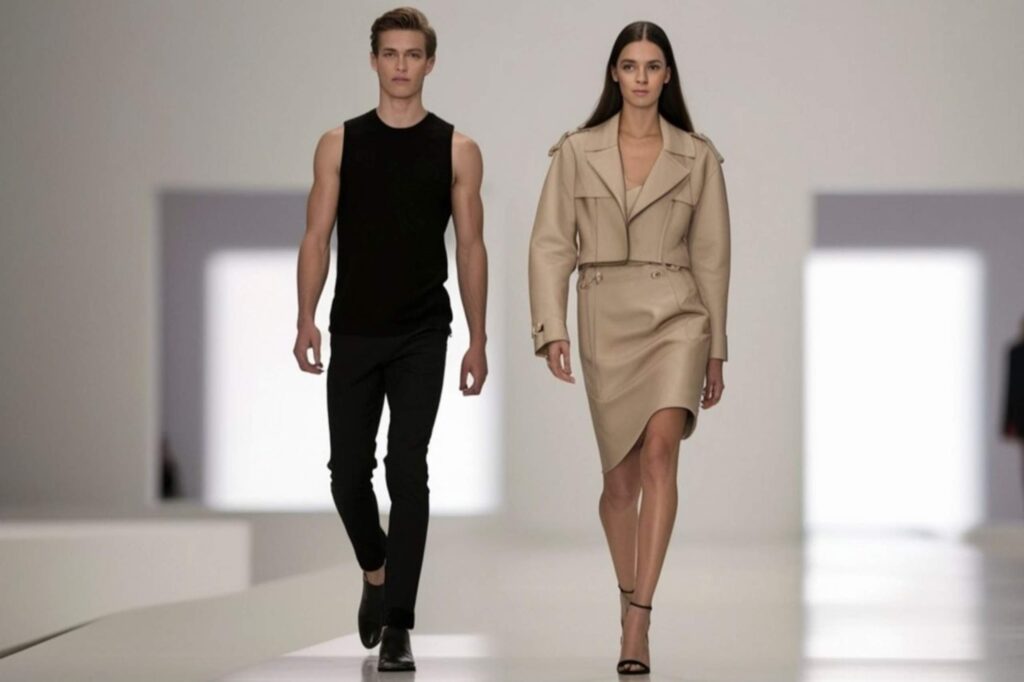
Pooja Jain co-founded Tamarind Clothing as a designer and advocate for Indian handicrafts and zero-waste design principles. First, she’s empaneled with India’s Handicraft Development Commission and studied at UAL. Additionally, her work brings visibility to artisans who stitch values into every garment meticulously.
Moreover, Tamarind’s philosophy centers on innovation, creativity, craftsmanship, and fairness in fashion production. Furthermore, their zero-waste approach means every textile scrap finds purpose in final designs. For example, they collaborate with skilled artisans preserving traditional techniques through contemporary applications.
Meanwhile, Jain demonstrates how fashion designers can support entire communities while practicing sustainability. Consequently, each purchase supports ethical production systems and artisan livelihoods directly. Thus, Tamarind exemplifies how circular fashion creates positive social impact beyond environmental benefits.
Dubai’s Circular Fashion Infrastructure
Dubai Design Week and Fashion Revolution UAE create platforms where upcycling fashion designers showcase innovations. First, interactive experiences include upcycling workshops, shoe repair stations, and live creative demonstrations. Additionally, these events encourage debate about fashion’s evolving role in sustainable society.
Moreover, the Fashion Revolution panel “When Waste Meets Creativity” explores how upcycling, recycling, and jugaad reshape fashion waste perceptions. Furthermore, changemakers prove fashion’s future can be beautifully circular through creative reuse. For instance, clothes swap events promote circular fashion without requiring purchases.
Meanwhile, educational initiatives and networking opportunities accelerate Dubai’s sustainable fashion transformation. Consequently, infrastructure supporting fashion designers committed to upcycling continues strengthening significantly. Thus, Dubai positions itself as a regional leader in circular fashion innovation.
Conclusion: The Future of Fashion Is Circular
Dubai’s upcycling fashion designers demonstrate that sustainability and luxury coexist beautifully when creativity leads. These visionaries transform waste into wearable art, proving circular fashion represents the industry’s evolution. Moreover, from Poojitha Lakshman’s educational workshops to Mochi’s vintage reimaginations, innovation flourishes throughout Dubai.
Supporting upcycling fashion designers means investing in local creative economies while reducing environmental impact. Additionally, each piece carries stories of transformation that mass-produced garments cannot replicate. Therefore, choosing circular fashion becomes both aesthetic and ethical statement about values.
Furthermore, Dubai’s infrastructure supporting sustainable fashion continues expanding through government initiatives and community events. Indeed, fashion designers pioneering upcycling inspire global conversations about industry transformation. Explore Dubai Design District boutiques, attend Fashion Revolution events, and discover how circular fashion elevates your wardrobe with purpose.
Ready to embrace circular fashion? Visit Dubai Design District’s sustainable boutiques, attend upcoming Fashion Revolution UAE workshops, and connect with upcycling fashion designers creating Dubai’s sustainable style future!