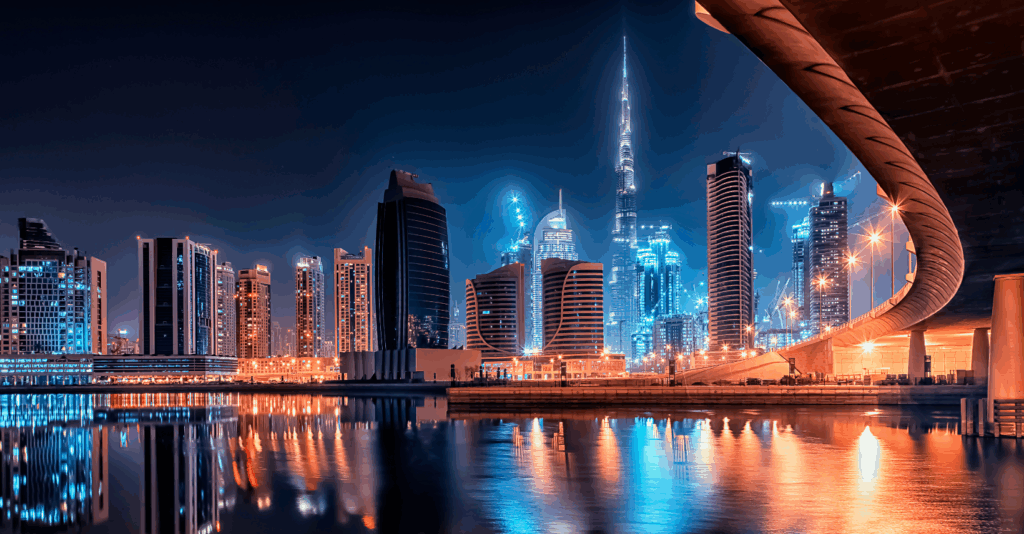

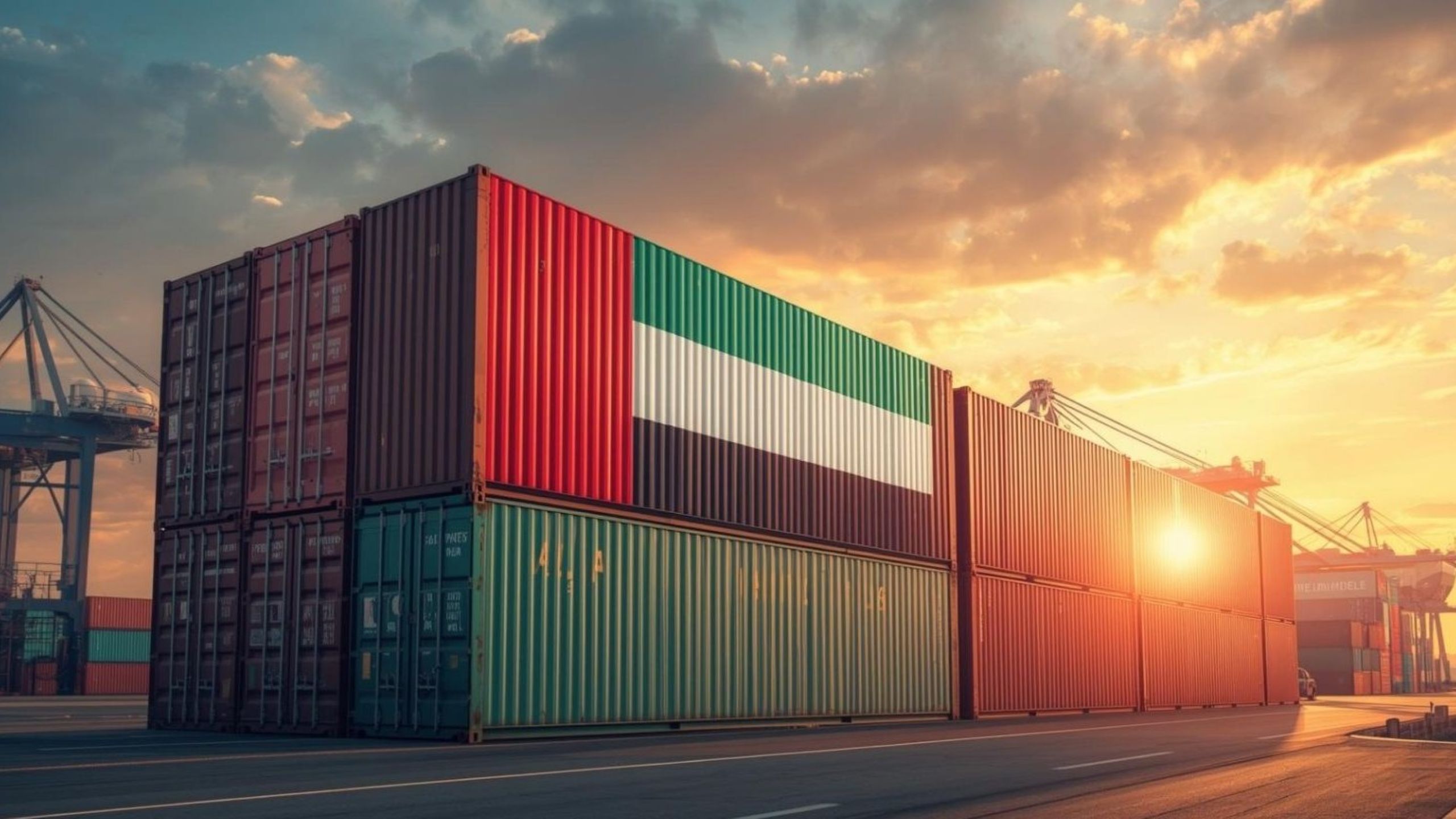
Logistics hub Dubai establishes Jebel Ali as world’s ninth-largest container port and Middle East’s primary gateway. Furthermore, strategic expansion projects and free zone advantages attract global trade companies consistently. Indeed, understanding Dubai’s logistics infrastructure reveals exceptional opportunities for business enthusiasts and supply chain professionals.
What Makes Dubai’s Jebel Ali Premier Logistics Hub?
Port Jebel Ali handles 14.1 million TEU containers annually. Consequently, the facility dominates Middle East and Indian subcontinent trade. Industry analysts project 6.8% annual growth through 2030.
Additionally, strategic location connects Asia, Europe, and Africa seamlessly. Therefore, 80% of global population reachable within 8-hour flight. Moreover, maritime routes link to over 180 ports globally.
DP World operates Jebel Ali with world-class infrastructure standards. For instance, 67 berths accommodate ultra-large container vessels efficiently. Thus, Dubai maintains competitive edge over regional competitors.

Which Expansion Projects Transform Jebel Ali Capacity?
Terminal 4 expansion adds capacity for 4 million TEU annually. Furthermore, this project increases total capacity to 23.5 million TEU. Deep-water berths handle vessels exceeding 24,000 TEU capacity.
Automated container handling systems reduce vessel turnaround times significantly. However, unmanned cranes and AGVs operate 24/7 continuously. Also, AI-powered systems optimize yard operations and stacking.
Logistics District development creates integrated supply chain ecosystem comprehensively. Meanwhile, warehousing facilities span 4.5 million square meters total. Certainly, temperature-controlled storage supports pharmaceutical and food sectors.
Dubai Maritime City expands ship repair and maritime services. For example, dry docks accommodate largest vessels globally. Besides, specialized facilities serve offshore oil and gas industry.
How Do Supply Chain Operations Leverage Dubai Advantages?
Jafza Free Zone offers 100% foreign ownership benefits. Nevertheless, customs duty exemptions and tax incentives attract companies. Specifically, over 7,000 companies operate within free zone.
Multimodal connectivity integrates sea, air, and land transportation. On the other hand, direct connections to Al Maktoum Airport. Additionally, dedicated rail links planned for future expansion.
Value-added logistics services include kitting, labeling, and quality inspection. For instance, postponement strategies customize products for final markets. Besides, bonded warehousing defers duties until market entry.
E-commerce fulfillment centers serve GCC and MENA regions. Thus, same-day delivery reaches 3 billion consumers regionally. Furthermore, last-mile logistics infrastructure continues expanding rapidly.
What Industry Leaders Say About Dubai Operations
Ahmed Al Falasi, Logistics Director, Emirates Trade Solutions
“Logistics hub Dubai delivers unmatched connectivity for regional operations. Port expansion projects position Jebel Ali for sustained growth remarkably. Additionally, free zone benefits reduce operational costs by 40%.”
“Our company consolidated MENA operations through Dubai last year. Supply chain efficiency improved 35% through integrated services. Furthermore, customs clearance processes complete within 4 hours typically. Dubai remains our strategic hub for Middle East growth.”
Luxury Fashion: Dubai Retail Economics 2026
Luxury fashion retail dominates Dubai's sophisticated shopping landscape and economic growth strategy. Furthermore, the emirate attracts the world's most prestigious...

Gulfood Exhibition: F&B Import Market and Food Industry Investment
The Gulfood exhibition is the world's largest annual food and beverage trade show. This Dubai event attracts over 5,000 exhibitors...
Free Zone Business Setup: Dafza vs Jafza Comparizon And Industry Sectors
Free zone business setup offers Dubai entrepreneurs 100% foreign ownership and tax benefits choosing between specialized zones. Furthermore, DAFZA (Dubai...

Fine Dining Economics: Michelin Restaurant Dubai 2026
The economics of fine dining drive the AED 8.2 billion Dubai market, with Michelin-starred restaurants establishing a presence in the...
Which Technology Innovations Optimize Port Operations?
Maqta Gateway’s single-window platform digitizes trade documentation completely. Therefore, all customs and port procedures managed electronically. Currently, processing times reduced from days to hours.
Blockchain implementation through TradeLens ensures supply chain transparency. As a result, real-time cargo tracking from origin to destination. Moreover, smart contracts automate payments and documentation release.
Artificial intelligence predicts vessel arrival times with 95% accuracy. Indeed, machine learning optimizes berth allocation and resource planning. Also, predictive maintenance prevents equipment downtime proactively.
Internet of Things sensors monitor container conditions throughout journey. Nevertheless, temperature, humidity, and location data accessible real-time. Undoubtedly, cold chain integrity maintained for sensitive cargo.
What Business Opportunities Exist in Dubai Logistics?
Warehousing facility development meets e-commerce growth demand continuously. Meanwhile, Grade A logistics parks command premium rental rates. Popular locations include Dubai South, DIP, and JAFZA.
Freight forwarding services connecting Dubai with global destinations expand. However, specialized expertise in MENA market regulations required. Also, multimodal transport coordination creates competitive advantages significantly.
Cold chain logistics supporting pharmaceutical and fresh produce sectors. For example, temperature-controlled facilities achieve GDP certification standards. Besides, healthcare sector growth drives specialized logistics demand.
Last-mile delivery services for e-commerce and retail sectors. Nevertheless, urban logistics optimization technology presents opportunities. Specifically, drone delivery trials commence in designated zones.
Conclusion: Dubai Logistics Hub Drives Regional Trade
Logistics hub Dubai continues strengthening position through strategic investments. Moreover, Jebel Ali expansion and technology integration optimize supply chain operations.
Focus on free zone advantages, multimodal connectivity, and automation. Furthermore, business opportunities span warehousing, technology, and specialized services. Monitor expansion projects and regulatory developments continuously.
Engage logistics consultants familiar with Dubai operations and regulations. Indeed, professional guidance optimizes supply chain efficiency and market entry. Explore Dubai logistics hub opportunities for 2026 business growth.