
Arabic culture in Dubai rewards every resident who looks beyond the city’s famous skyline, and these 6 experiences are the best place to start.
Walk through Al Fahidi, the heart of old Dubai
Al Fahidi Historical Neighbourhood is one of the most rewarding places in the city to visit. The narrow lanes, sand-colored buildings, and traditional wind towers take you back to how Dubai looked in the late 19th century. These structures were built from coral stone, teak, and palm fronds, and they are among the oldest surviving buildings in the emirate.
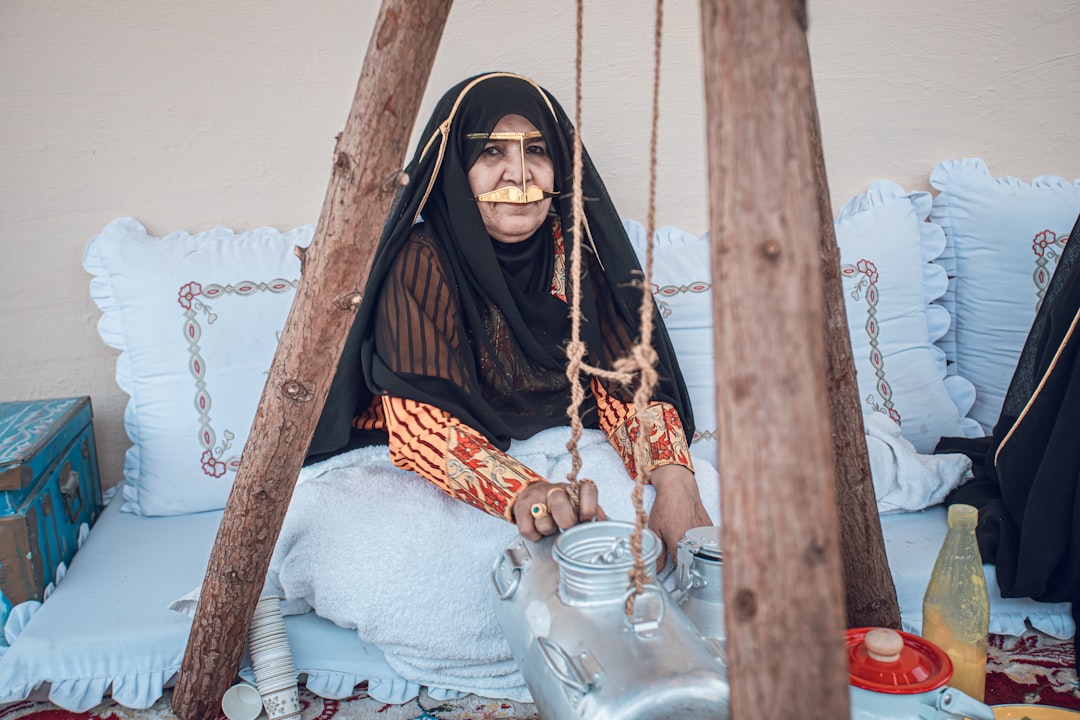
Inside this labyrinth, you will find coffee museums, art galleries, and small courtyard cafes tucked behind heavy wooden doors. The Coffee Museum introduces visitors to the gahwa ritual, which is the tradition of serving Arabic coffee as a gesture of welcome and respect. This single ritual tells you more about Arabic culture in Dubai than almost anything else you will encounter.
Go early in the morning for quiet lanes and good light. Then cross to the Dubai Museum in Al Fahidi Fort, which displays the daily life of pearl divers, merchants, and desert communities in a clear and accessible way.
Ride an abra across Dubai Creek
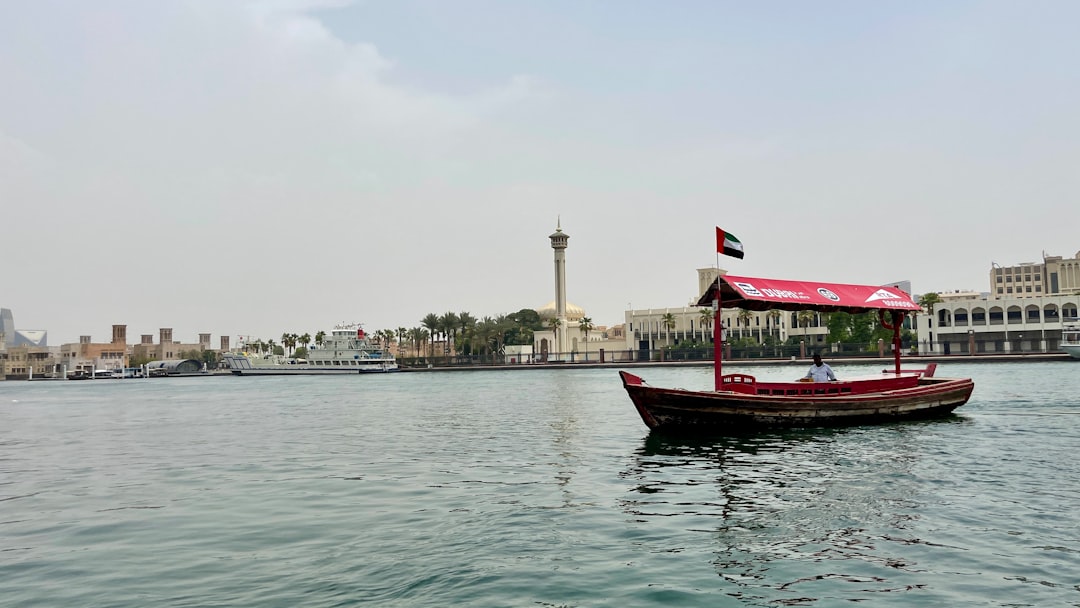
Few experiences in this city feel as honest as a ride on an abra. These traditional wooden boats have carried passengers across Dubai Creek for generations, connecting the neighborhoods of Bur Dubai and Deira long before any bridge existed. Today, a single crossing costs just AED 1.

The 5-minute ride offers a view of the city that you simply cannot get from a car or a metro train. On one side, you see heritage houses and old mosques. On the other, the gold and spice souqs of Deira come into view. The creek itself is a UNESCO World Heritage Site, and the boats that cross it are a living piece of that heritage.
Go at sunset for the best light. The seagulls, the salt air, and the sound of the engine make the experience feel completely separate from the rest of modern Dubai.
Explore the spice souq in Deira
The spice souq in Al Ras, Deira, is one of those places that asks you to slow down. The moment you step inside, the smell of dried rose petals, saffron, frankincense, and cinnamon changes the pace of your day. Vendors line the narrow pathways with sacks of colour and scent, and most are happy to talk you through what they sell.
This souq is a direct connection to the Arabic culture and tradition of trade that built Dubai. For centuries, merchants from Arabia, Persia, India, and East Africa exchanged spices and goods along this creek. The souq today carries that same spirit, even as the city around it has changed completely.



Take time to visit the nearby gold souq as well. Together, these 2 markets show the trading roots that shaped everything Dubai has become.
Expert perspective on why this matters
There is a common assumption that Arabic culture in Dubai exists mainly for tourists, displayed in heritage villages and then set aside. This misses the reality entirely. The majlis tradition, the ritual of gahwa, the way elders pass stories to younger generations through poetry and music: these practices are alive in family homes, community gatherings, and neighbourhood spaces across the city every single week. For residents who want to understand Dubai at a deeper level, the entry point is not a museum exhibit but a genuine conversation, a shared meal, or an evening listening to an oud in a small venue in Al Quoz. The city rewards curiosity. Those who treat Arabic culture as something to be explored rather than observed will find that Dubai opens up in ways most long-term residents never experience. Cultural engagement here is not nostalgic. It is active, present, and constantly evolving.
Industry perspective, cultural tourism and heritage professionals in Dubai
Attend a live oud performance
The oud is one of the oldest string instruments in the world, and it is central to Arabic musical heritage. In Dubai, live oud performances take place regularly at small venues, cultural centres, and heritage spaces across the city. The sound is deep, layered, and completely unlike anything produced by Western instruments.
Venues in Al Quoz, Alserkal Avenue, and Old Dubai host these evenings on a regular basis. Sometimes a storyteller accompanies the musician, connecting the music to Bedouin poetry and history. This combination of sound and narrative is one of the most direct paths into Arabic culture for anyone who has not grown up with it.
Check listings from Dubai Culture and Arts Authority for upcoming performances. Many events are free or very affordable, and they attract a mixed audience of Emiratis, long-term residents, and curious visitors.
Experience a majlis meal at the SMCCU
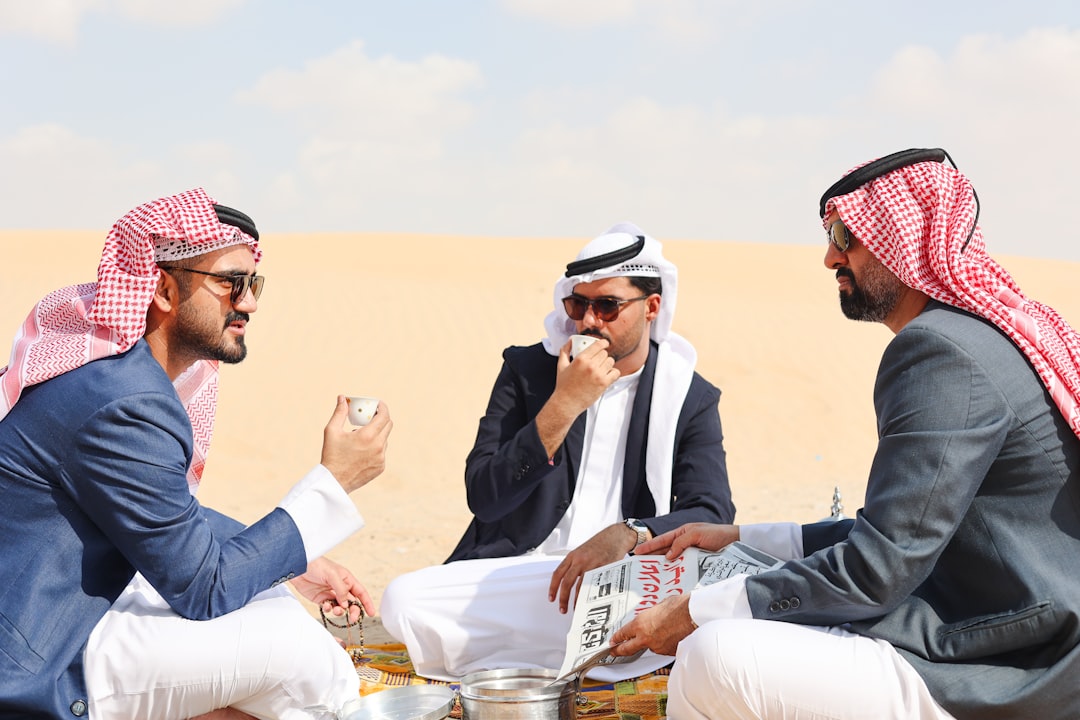
The Sheikh Mohammed Centre for Cultural Understanding, located inside the Al Fahidi neighbourhood, offers something rare: a genuine conversation about Emirati life over a shared traditional meal. Guests sit together in a majlis setting, on cushioned floors in a shaded courtyard, eating dishes like harees, balaleet, and luqaimat.

The sessions are designed around dialogue. You can ask questions about religion, daily life, language, and tradition, and the hosts answer with honesty and warmth. This model has worked since the centre opened in 1998 under the motto “Open Doors, Open Minds.” It remains one of the most respectful and effective ways to experience Arabic culture in Dubai without the distance that museums sometimes create.
Book in advance. Sessions fill quickly, especially during winter months. The price for a meal and session is typically between AED 125 and AED 180 per person.
Arabic culture in Dubai: your invitation to go deeper
Arabic culture in Dubai is not hidden. It is present in the sound of the oud drifting from a courtyard, in the smell of frankincense near an old souq, and in the warmth of a majlis where strangers become guests instantly. These 6 experiences are not a complete list, but they are a genuine starting point. If you live in this city and have not yet tried them, this is your invitation. Arabic culture rewards every resident who approaches it with curiosity and respect. Start with 1 experience this week, and let it lead you to the next.
Discover more about Arabic culture
- Local Culture and Heritage in Dubai
- Dubai: World Cities Culture Forum Profile
- UAE Tourism Ecosystem: Heritage, Innovation and Sustainability