
Dubai is quietly redrawing its trade map. State port operator DP World is planning a new deep-water port in Fujairah to give the emirate a commercial gateway that bypasses the Strait of Hormuz entirely, a strategic shift forced by months of devastating disruption at its flagship hub of Jebel Ali.
Why Jebel Ali can no longer be Dubai’s only option
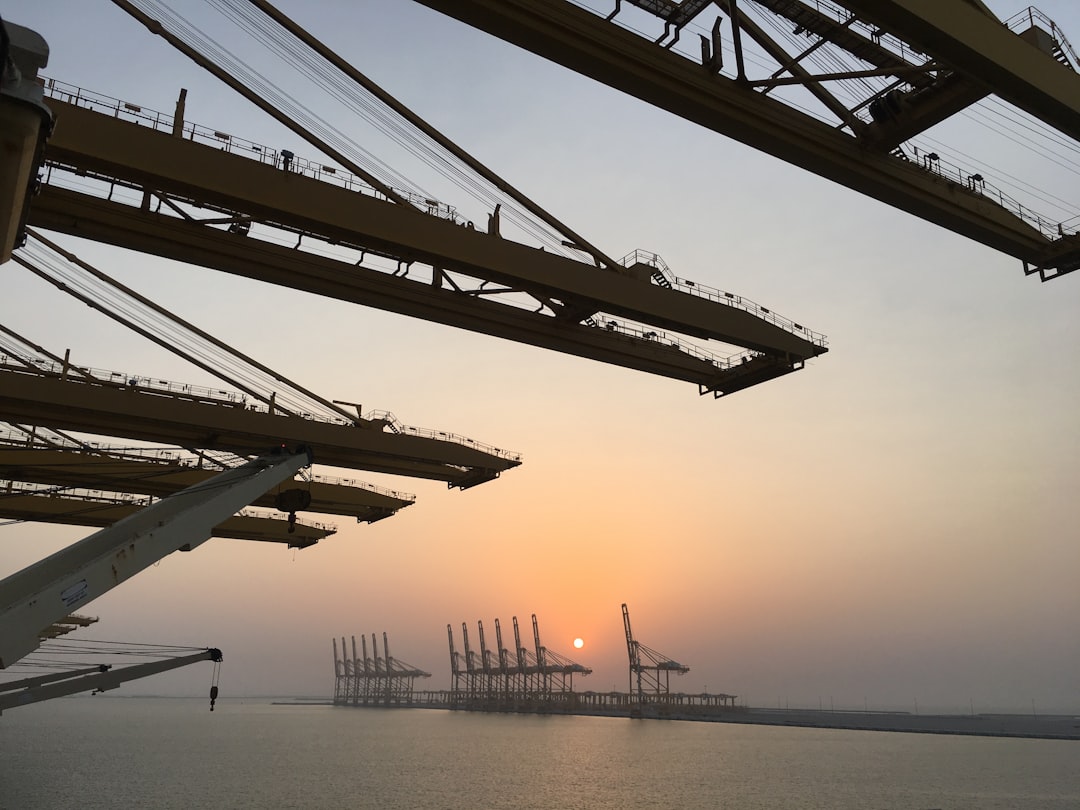
Jebel Ali, one of the world’s largest container ports, sits inside the Strait of Hormuz and is exposed to any blockade, military escalation, or prolonged disruption affecting that critical waterway. For decades, that exposure was considered a manageable risk. The conflict that broke out between Iran and the United States in early 2026 changed that calculation permanently. Iran launched a sustained campaign of drone and missile strikes against the UAE, and the temporary closure of the strait caused an immediate collapse in activity at Jebel Ali, where traffic volumes fell by 90 to 95 percent. Even after a provisional ceasefire, traffic remained far below pre-war levels, with shipping companies staying cautious in the face of continued risk. The strategic vulnerability was no longer theoretical. It was costing Dubai real money and real standing as a global trade hub.

The Fujairah plan and what it means in practice
According to the Financial Times, DP World is preparing to build a new deep-water port and a container terminal on the eastern coast of the UAE, in the emirate of Fujairah, to reduce the country’s strategic dependence on the Strait of Hormuz. The company has entered formal discussions with UAE authorities to develop the new Fujairah coast facility, oriented toward the Gulf of Oman, so that goods and containers can enter and leave Emirati territory directly from the Indian Ocean, then be distributed by road to Dubai, Abu Dhabi, and other Arabian Peninsula states. DP World is currently negotiating a term sheet with government authorities, with the capital structure and financing plan still to be finalised. A senior company executive indicated the project could be completed in 18 months, with an initial investment of several hundred million dollars, a figure that could rise depending on actual capacity needs.
Jebel Ali is not being abandoned
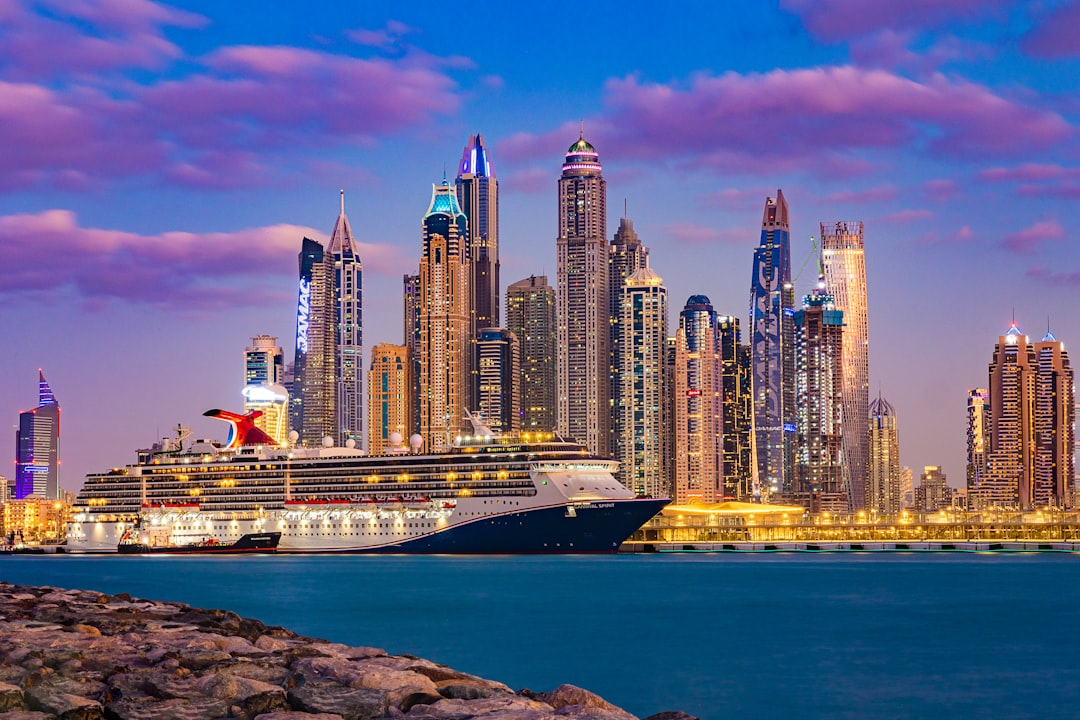
Despite the scale of the Fujairah ambition, Dubai is not walking away from Jebel Ali. The new Fujairah site, developed by DP World, will not replace Jebel Ali, which is expected to remain the country’s principal logistics and container centre given its scale, free zone infrastructure, and global shipping connections. The future terminal will instead serve as a strategic fallback, absorbing traffic during a crisis. Jebel Ali, the region’s largest container port, processed 15.6 million twenty-foot equivalent units last year, and a senior executive confirmed it will never be reduced in size. The Fujairah port is designed to be defensive, a contingency rather than a replacement. Still, industry observers are watching closely. Lars Jensen, chief executive of Vespucci Maritime, has stated that the impact on Jebel Ali will likely be significant and permanent.
A wider UAE strategy to reduce Hormuz reliance
The Fujairah port project is one piece of a broader national pivot. The plan fits within the UAE’s wider strategy to redirect the country’s energy exports away from the Hormuz waterway. Abu Dhabi National Oil Company has been tasked with accelerating construction of a second pipeline linking Fujairah on the Gulf of Oman coast, on the other side of the strategic chokepoint. That pipeline, approximately 50 percent complete as of May 2026, is due to enter service in 2027 and will double the UAE’s current pipeline export capacity of around 1.8 million barrels per day. UAE authorities have also unveiled plans to expand several east coast ports, including Fujairah, Khor Fakkan, and Dibba, with the stated goal of reducing the country’s dependence on the strait to zero. DP World has already been diverting cargo to Fujairah and Khor Fakkan, ports now saturated by the crisis, while Sharjah-based operator Gulftainer has announced a 2 billion dollar investment plan to increase capacity at Khor Fakkan.

The geopolitical backdrop and financial toll
US President Donald Trump added further uncertainty to the Persian Gulf by threatening to charge shipping companies the equivalent of 20 percent of cargo value for protection through the Strait of Hormuz, before reversing course and proposing trade agreements with Gulf states instead. That kind of unpredictable signalling has only reinforced Dubai’s determination to reduce its exposure. Ratings agency Moody’s projects that DP World’s overall profits will fall from 6.6 billion dollars in 2025 to approximately 5.9 billion dollars this year as a direct result of the war’s impact. Through the strait, daily transits have dropped from roughly 135 vessels before the conflict to around 40 since its brief reopening. The conflict has forced governments and companies across the region to reconsider economic corridors that were built on the assumption the Strait of Hormuz would always remain navigable. Dubai’s Fujairah move is the clearest sign yet that assumption is now firmly in the past.