


Every July, the same quiet dread arrives with the DEWA bill, and yet a cool home in Dubai is entirely achievable without surrendering to that number on the screen.
Why your electricity bill spikes in summer
In Dubai’s extreme climate, cooling can account for 60 to 70 percent of total electricity consumption. That means almost every dirham on your bill is connected, directly or indirectly, to the task of keeping your rooms livable. Understanding this one fact changes everything. You stop treating comfort as a luxury and start treating efficiency as a necessity.

DEWA uses a tiered pricing system in which electricity becomes more expensive as usage increases. Residential tariffs are divided into slabs starting from 0 to 2,000 kWh and rising beyond 6,000 kWh. Once a fuel surcharge and 5 percent VAT are added, crossing into a higher slab can significantly increase the final bill. So the goal is not just to use less. The goal is to stay within a lower consumption bracket entirely.
The good news is that most homes waste 20 to 40 percent of energy through inefficiency that is fixable without major renovation. That is a meaningful number, and it means that small, focused changes can produce real results.
Start with your thermostat setting
The single most impactful action you can take for a cool home costs nothing. DEWA recommends setting your AC thermostat to 24 degrees Celsius or higher. Raising the setting to 25 or 26 degrees Celsius, when comfortable, can reduce cooling load further.

Each degree lower can increase energy consumption by around 4 to 5 percent. That adds up across weeks of continuous operation. So before you reach for the remote to drop the temperature, consider what else you can adjust first.
Using ceiling fans alongside your thermostat improves air circulation, allowing cool air to spread more evenly throughout the room. This helps you set the temperature a few degrees higher while still staying comfortable. A ceiling fan costs almost nothing to run. It is one of the most underused tools in a Dubai home.
Use curtains and insulation to block heat
In many Dubai apartments, windows are the biggest heat entry point. Once sunlight pours through glass, it turns into heat indoors, and your AC has to remove it again. Blocking that heat before it enters is always more efficient than cooling it away after it arrives.
Energy-saving curtains block out heat and light, keeping your home cooler. Select thermal-backed or blackout curtains for optimal results, particularly on windows exposed to direct sunlight. Close them during peak sun hours and open them again in the evening. This one habit, done consistently, makes a genuine difference.






Seal doors, windows, and ducts. Install reflective window films and consider double-glazed glass. Proper insulation can reduce cooling demand by 20 to 30 percent. For renters, removable window film and door seals are affordable, renter-friendly options that require no landlord approval.
Keep your AC filters clean
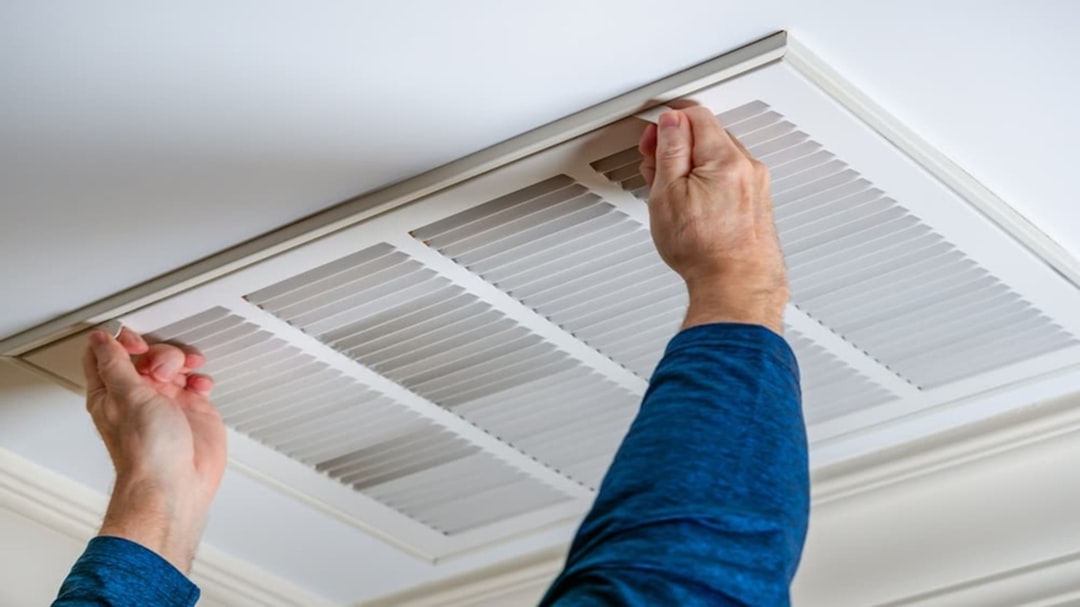
This tip appears in every expert guide for good reason. A unit that is not cleaned regularly loses up to 25 percent of its cooling efficiency. That means higher bills and worse cooling at the same time. Paying more for a less comfortable home is the worst possible outcome.
In the UAE, filters should be cleaned every 2 to 4 weeks during heavy-use months. If your home air conditioner runs all day, clean closer to the 2-week mark. Replaceable filters should be swapped out every 3 months at minimum during summer.
Also, consider booking a professional service if you notice weak airflow, musty smells, dust around vents, recurring allergy-like irritation, or signs that your system is not cooling as effectively as it should. A small maintenance fee now prevents a large repair bill later.
Expert perspective on sustainable cooling
Cooling is the defining energy challenge for the UAE and for households across the region. The way we use our air conditioning today has a direct connection to national sustainability goals that extend well beyond the individual electricity bill. Small behavioural shifts, such as setting thermostats correctly and maintaining equipment regularly, deliver compounding benefits. When millions of households adopt these habits simultaneously, the reduction in grid demand becomes substantial. Investing in better curtains, sealing gaps, and cleaning filters are not minor lifestyle choices. They are meaningful contributions to a cooler, more energy-resilient city. The conversation must move from cost-saving to responsibility, because in a climate this extreme, efficient cooling is a shared obligation.
Industry perspective, sustainability and energy efficiency professionals in the UAE
Rethink heat sources inside your home
Your AC is not the only thing generating your bill. Everything that produces heat inside your home makes the AC work harder. Traditional bulbs give off heat. Swapping them with LEDs not only saves energy but also helps lower the temperature inside your home.

Using the oven or stove can heat your kitchen quickly. Try grilling outdoors, using a microwave, or opting for no-cook meals when possible. In summer, lighter meals are better for your body anyway. The kitchen and the electricity meter will both thank you.
DEWA peak hours are typically in the afternoon, especially from 12:00 pm to 6:00 pm in summer, when demand is highest. Using heavy appliances like washing machines, ovens, and dishwashers during this window can drive up your consumption. Shifting these tasks to off-peak hours is a small change that can help reduce your cost over time.
Use the DEWA app to stay in control
A cool home is easier to maintain when you can see exactly where energy goes. The DEWA Smart App helps you track your water and electricity use in real time. You can view daily, weekly, or monthly consumption. The app also gives alerts for high usage. This makes it easy to manage and reduce your DEWA bill.
As part of its ‘Enjoy Sustainable Vibes This Summer’ awareness campaign, DEWA has urged residential customers to take measures to ensure efficient electricity and water use. Customers can monitor their consumption remotely through DEWA’s digital services, allowing them to identify unusual changes and take appropriate action.
Smart thermostats adjust temperatures based on occupancy and daily patterns, improving efficiency without constant manual control. DEWA’s consumption tracking tools and apps also help monitor usage and identify unusual spikes early. Pairing smart technology with simple physical habits is the most effective strategy of all.
Your cool home this summer
A cool home in Dubai does not require a renovation budget or a high electricity bill. It requires attention to a few fundamentals: your thermostat setting, your curtains, your filters, and your daily habits. Together, these small actions can reduce your cooling costs by 20 to 40 percent without sacrificing comfort.
Start with 1 change this week. Close the curtains at noon. Clean the filters. Set the thermostat to 24 degrees Celsius and add a fan. Each step builds on the last, and by the end of the month, a genuinely cool home and a lower DEWA bill are both within reach. Share what works with your neighbours, because a more energy-efficient Dubai starts at home.
Discover more about cool home
- DEWA Sustainability and Conservation Tips
- UNEP Global Cooling Watch 2025, Sustainable Cooling Research
- Gulf News: Expert Tips to Cut Your AC Costs This Summer