
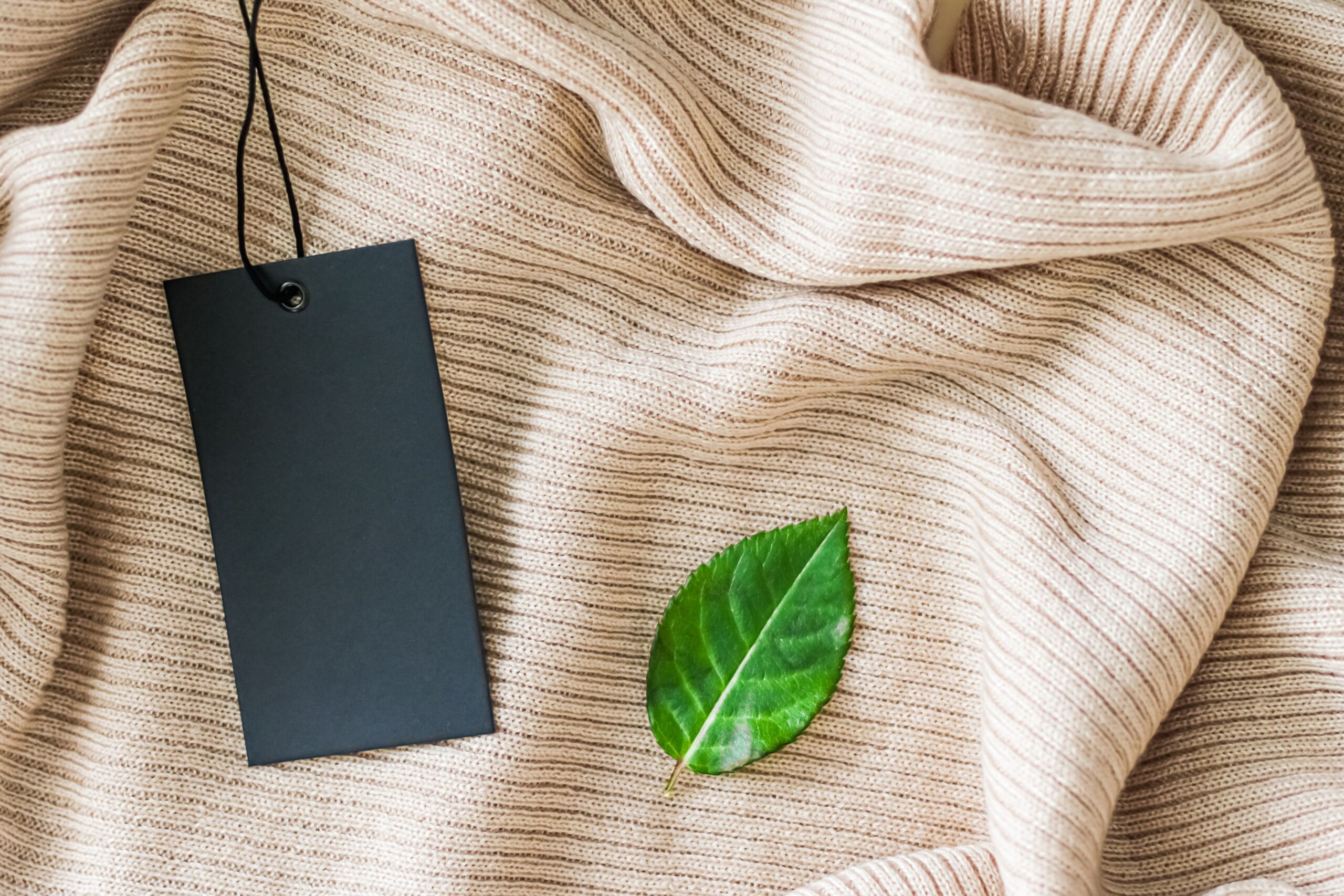
As cooler temperatures arrive in Dubai, fashion enthusiasts embrace the season’s trends while increasingly prioritizing sustainability and ethical choices. Fall fashion in the emirate blends international runway influences with practical considerations for the region’s climate, creating a unique style landscape. From lightweight layers to versatile pieces that transition between air-conditioned interiors and pleasant outdoor temperatures, Dubai’s fall wardrobe reflects growing awareness of environmental impact alongside timeless elegance.
Sustainable Fabrics Lead the Season
This fall sees a decisive shift toward eco-friendly materials as Dubai’s fashion-conscious residents prioritize organic cotton, linen, Tencel, and recycled fabrics over conventional textiles. Local boutiques and international retailers in Dubai Mall, Mall of the Emirates, and City Walk now prominently feature collections made from sustainable materials, responding to increased consumer demand for environmentally responsible fashion.
Brands like Reformation, Ganni, and Stella McCartney have expanded their presence in Dubai, offering luxurious pieces that don’t compromise on style or ethics. The emirate’s modest fashion sector has particularly embraced sustainable fabrics, with designers creating flowing abayas and contemporary modest wear from organic materials and innovative recycled textiles. These fabrics work exceptionally well in Dubai’s fall climate, offering breathability for outdoor activities while maintaining sophisticated appearances suitable for the city’s upscale venues.
Layering Essentials for Temperature Transitions
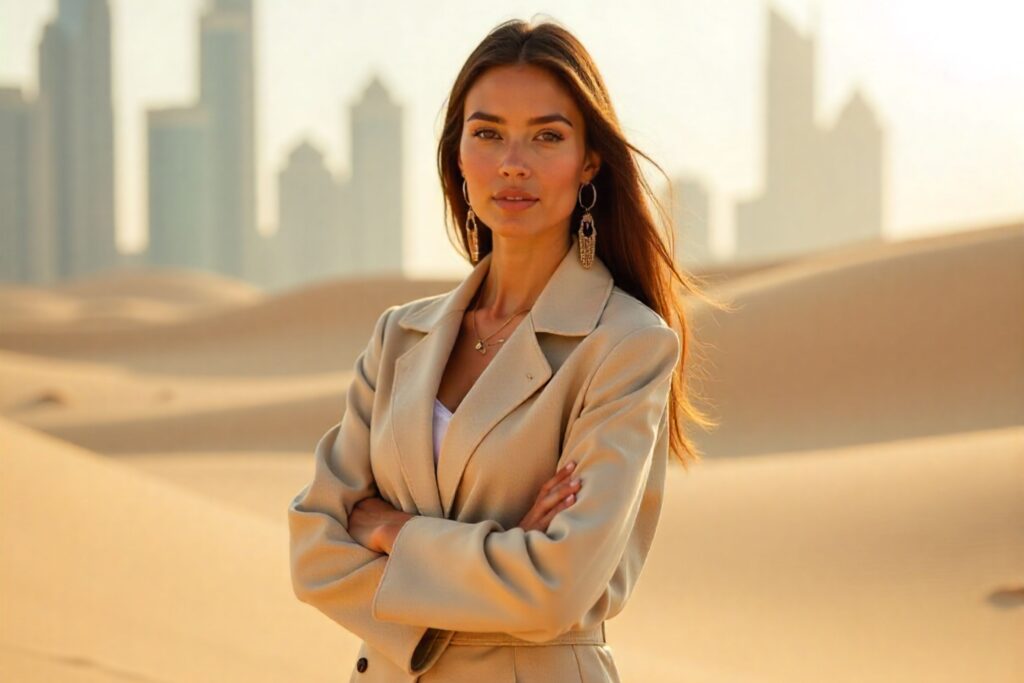
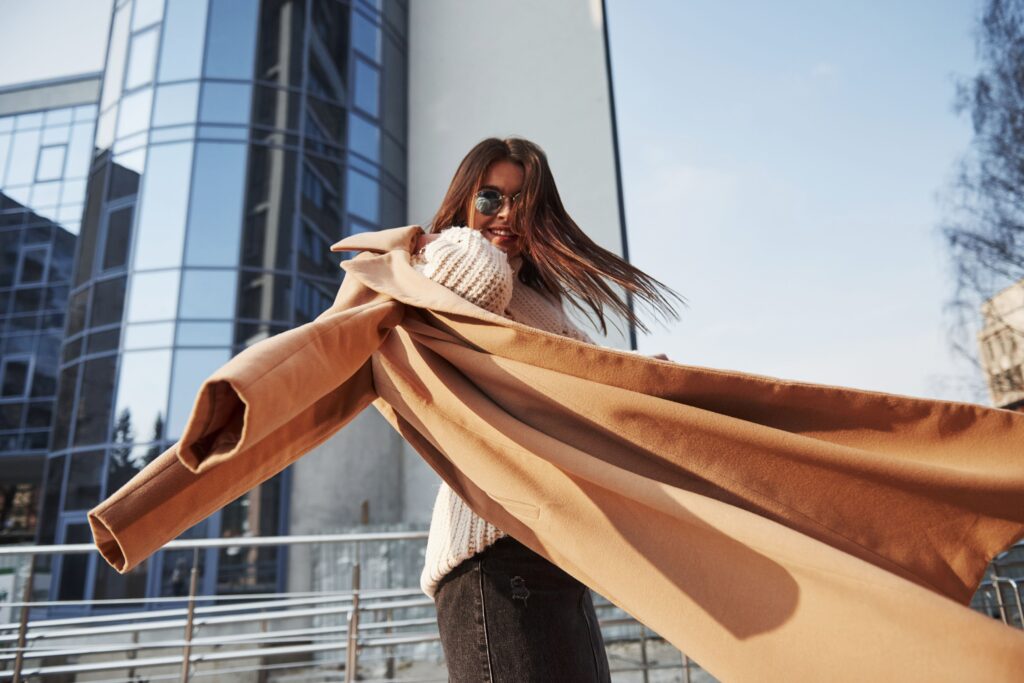
Dubai’s dramatic temperature shifts between indoor and outdoor environments make strategic layering essential for fall fashion success. Lightweight blazers, linen cardigans, and versatile kimonos have become wardrobe staples, easily removed or added as needed throughout the day. Sustainable brands are responding with transitional pieces designed specifically for Gulf climates, using breathable yet structured fabrics that maintain shape without adding bulk.
The trend toward neutral color palettes—beiges, camels, soft whites, and earthy tones—allows for effortless mixing and matching, maximizing outfit combinations while minimizing wardrobe size. Investment pieces like quality blazers from ethical brands can be styled multiple ways, aligning with sustainable fashion principles of buying less but choosing better. Dubai’s fashion community increasingly embraces capsule wardrobes, curating smaller collections of high-quality, versatile pieces rather than accumulating fast fashion items destined for short-term wear.
Modest Fashion Meets Sustainability
Dubai’s position as a global modest fashion capital drives innovation in sustainable, covered-style clothing that respects both cultural values and environmental concerns. Designers are creating contemporary abayas, long dresses, and modest separates using eco-friendly dyeing processes, zero-waste pattern cutting, and ethically sourced materials.
The fall season brings richer textures and deeper colors to modest wear, with sustainable velvet, organic silk alternatives, and recycled polyester creating luxurious appearances without environmental guilt. Local designers like Bouguessa and international modest fashion brands have launched fall collections emphasizing longevity and timeless design over trendy, disposable pieces.
These garments transition seamlessly from professional settings to social occasions, embodying the versatility that defines truly sustainable fashion. The growing modest fashion market in Dubai demonstrates that ethical choices and elegant style complement rather than contradict each other.
Luxury Fashion: Dubai Retail Economics 2026
Luxury fashion retail dominates Dubai's sophisticated shopping landscape and economic growth strategy. Furthermore, the emirate attracts the world's most prestigious...
Gulfood Exhibition: F&B Import Market and Food Industry Investment
The Gulfood exhibition is the world's largest annual food and beverage trade show. This Dubai event attracts over 5,000 exhibitors...
Free Zone Business Setup: Dafza vs Jafza Comparizon And Industry Sectors
Free zone business setup offers Dubai entrepreneurs 100% foreign ownership and tax benefits choosing between specialized zones. Furthermore, DAFZA (Dubai...
Fine Dining Economics: Michelin Restaurant Dubai 2026
The economics of fine dining drive the AED 8.2 billion Dubai market, with Michelin-starred restaurants establishing a presence in the...
Real Voices: Dubai’s Sustainable Fashion Advocate
Layla Hassan, Emirati sustainable fashion advocate shares her conviction.
“Switching to sustainable fashion completely changed my relationship with clothing. I used to shop constantly, following every micro-trend, but now I invest in quality pieces from ethical brands that last multiple seasons. This fall, my wardrobe consists of twenty carefully selected items that create countless combinations. I’ve discovered local tailors who upcycle vintage fabrics into custom pieces, and I regularly participate in clothing swaps organized by Dubai’s sustainable fashion community. The best part? My style feels more authentic and intentional than ever before. Sustainable fashion isn’t about sacrifice—it’s about making thoughtful choices that reflect our values while looking fabulous.”
Thrifting and Vintage Shopping Gain Momentum
Dubai’s preloved fashion scene has exploded in popularity as residents discover the environmental and financial benefits of secondhand shopping. Platforms like The Luxury Closet, Vestiaire Collective, and local Instagram-based vintage shops offer curated selections of designer pieces at accessible prices. Regular pop-up markets including Ripe Market and sustainable fashion events feature vintage vendors and independent designers selling upcycled creations.
Fall season brings particularly rich pickings in Dubai’s thrift scene, as residents clearing summer wardrobes list lightweight designer pieces perfect for the emirate’s cooler months. The stigma traditionally associated with secondhand shopping has dissolved, replaced by appreciation for unique finds, circular economy principles, and reduced fashion waste. Young professionals and students particularly embrace thrifting as both budget-conscious and environmentally responsible, often mixing vintage designer pieces with contemporary sustainable brands to create distinctive personal styles.
Supporting Local Sustainable Designers
Dubai’s emerging sustainable fashion designers are creating collections specifically tailored to the region’s climate, culture, and lifestyle needs. Brands like ‘The Giving Movement’, Reemami, Only Ethikal and local startups as Kaleidoscope by Mimi showcased at sustainable fashion events offer alternatives to international fast fashion giants. These designers prioritize transparent supply chains, fair labor practices, and minimal environmental impact while delivering styles that resonate with Dubai’s diverse, cosmopolitan population.
Fall collections from local sustainable designers feature versatile pieces suitable for the emirate’s active social calendar, from beachside brunches to gallery openings and desert excursions. Supporting these brands contributes to Dubai’s growing circular economy while ensuring wardrobes reflect the city’s unique aesthetic requirements. Many local designers offer made-to-order services, eliminating overproduction waste while providing perfectly fitted garments that customers treasure for years rather than seasons.
Conclusion: Building a Sustainable Fall Wardrobe in Dubai
Dubai’s fall fashion landscape demonstrates that style and sustainability can coexist beautifully in one of the world’s most fashion-forward cities. As awareness grows about fashion’s environmental impact, residents increasingly choose quality over quantity, timeless design over fleeting trends, and ethical production over convenience.
The cooler months provide the perfect opportunity to reassess wardrobes, invest in versatile sustainable pieces, and explore Dubai’s expanding secondhand and local designer markets. Start by auditing your existing wardrobe, identifying gaps that truly need filling, and researching brands aligned with your values before making purchases. Consider organizing clothing swaps with friends, following Dubai’s sustainable fashion influencers for styling inspiration, and supporting local designers committed to ethical practices.
Fall fashion in Dubai proves that conscious choices enhance rather than limit personal style, creating wardrobes that reflect both individual taste and collective responsibility for our planet’s future.