
What Drives Q1 Dubai Property Market Performance?
Dubai property market Q1 transaction volume reaches AED 125 billion up 35%. Consequently, foreign investors account for 65% total transactions attracted. Industry analysts project 12.8% total returns for 2026.
Additionally, Expo 2020 legacy infrastructure supports sustained demand fundamentally. Therefore, new metro lines and districts enhance connectivity significantly. Moreover, government initiatives including 10-year golden visas drive capital.
Off-plan sales surge 48% year-over-year indicating confidence in market. For instance, developers launch premium projects across prime locations. Thus, pre-construction pricing attracts investors seeking appreciation potential.
Which Dubai Areas Lead Q1 Real Estate Investment?
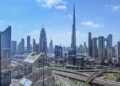
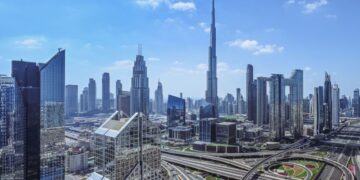
Downtown Dubai maintains premium position with AED 28 billion volume. Furthermore, Burj Khalifa proximity and luxury amenities command premiums. Apartment prices average AED 2,800-4,500 per square foot.

Dubai Marina records AED 22 billion activity driven by waterfront living. However, rental yields averaging 6-8% attract income-focused investors. Also, completed infrastructure supports stable occupancy rates consistently.
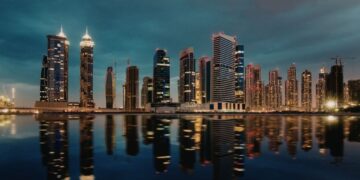
Business Bay emerges with AED 18 billion emphasizing mixed-use development. Meanwhile, corporate relocations support office and residential demand. Certainly, central location and canal views enhance appeal.
Palm Jumeirah generates AED 16 billion from ultra-luxury villa transactions. For example, beachfront properties trade at AED 5,000-12,000 per square foot. Besides, limited supply maintains pricing power long-term.
How Do Asset Class Returns Compare Q1 2026?
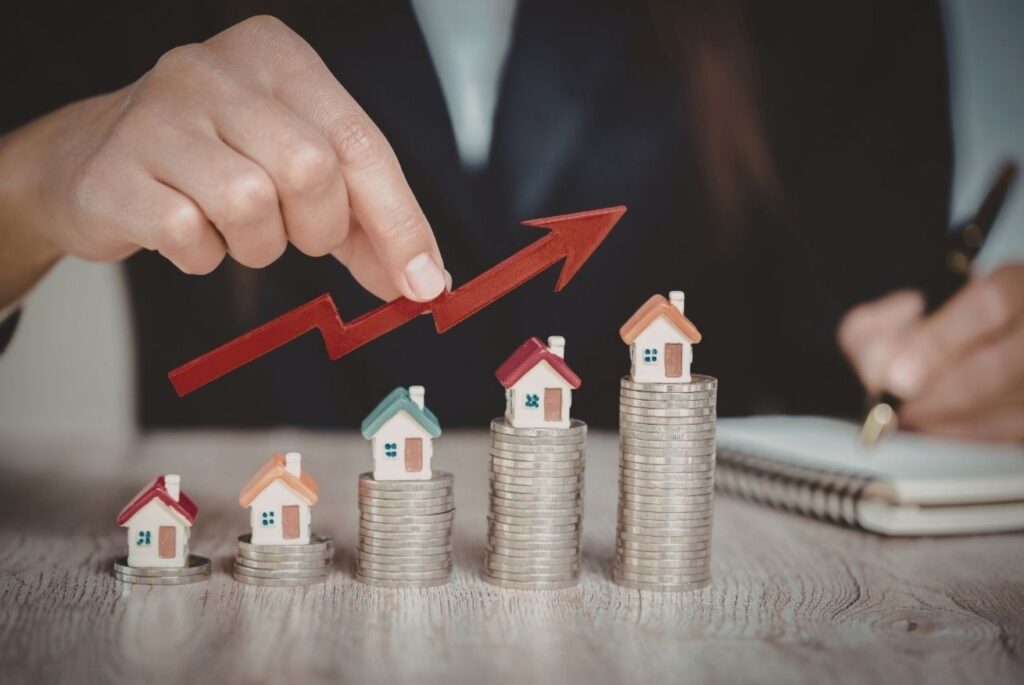
Villas and townhouses deliver 14.2% total returns leading sectors. Nevertheless, off-plan villa communities in Dubai South and Arabian Ranches. Specifically, family-oriented developments outperform apartments consistently by 3-4%.


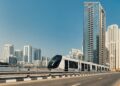

Luxury apartments generate 11.5% returns concentrated in Downtown and Marina. On the other hand, high-end penthouses and furnished units command. Additionally, short-term rental income boosts overall returns significantly.
Commercial offices achieve 9.8% returns as business formation accelerates. For instance, DIFC and Business Bay attract financial services tenants. Besides, flexible workspace demand supports rental rate growth.
Retail properties show divergent performance with F&B-anchored centers delivering. Thus, experiential retail and entertainment concepts recover strongly. Furthermore, tourist arrivals exceeding pre-pandemic levels support revenues.


Mental health in Dubai’s summer
Dubai's summer is beautiful in its own quiet way, but the heat forces most residents indoors for months. That indoor...

Arabic culture in Dubai: 6 must-try experiences
Dubai offers far more than luxury towers and world-class malls. Arabic culture runs deep in this city, and residents who...
Which Trends Shape Investment Strategies and Returns?
Golden visa impact driving permanent residence applications up 220% annually. Therefore, high-net-worth individuals purchasing property securing residency rights. Currently, minimum AED 2 million investment qualifies for 10-year visa.
Off-plan investment offering payment plans and pre-construction discounts attracting. As a result, developers provide 60/40 and 70/30 plans reducing. Moreover, capital appreciation during construction phase enhances IRRs.
Short-term rental through Airbnb and vacation platforms generating premium yields. Indeed, tourist arrivals reaching 20 million annually support occupancy. Also, furnished apartments in prime areas achieve 8-12% net yields.
Sustainable developments with LEED and green certifications commanding premiums increasingly. Nevertheless, energy-efficient buildings reduce operating costs 20-30% attracting. Specifically, sustainable features becoming tenant requirements not preferences.
PropTech adoption accelerating through virtual viewings and blockchain transactions. Meanwhile, digital platforms streamline buying process reducing timelines significantly. Certainly, cryptocurrency acceptance expanding among luxury developers selectively.
Freehold zones expansion opening new areas to foreign ownership encouraging. Thus, government designates additional districts attracting broader investor base. Furthermore, freehold status enhances liquidity and exit opportunities.









تقرير يبرز بوضوح استمرارية الزخم الاستثنائي في سوق العقارات بدبي خلال الربع الأول من عام 2026. إن الهيمنة المتزايدة لقطاع العقارات قيد الإنشاء بنسبة تتجاوز 70% من إجمالي التداولات تعكس ثقة المستثمرين العميقة في الرؤية المستقبلية للإمارة وتطورها الحضري المتسارع. بالرغم من التغيرات الطفيفة في مبيعات الوحدات الجاهزة، إلا أن استقرار العوائد الإيجارية فوق مستويات 7% يرسخ مكانة دبي كوجهة عالمية رائدة للباحثين عن الأمان الاستثماري والنمو الرأسمالي المستدام. تحليل دقيق يواكب تطلعات المستثمر الذكي.
An insightful breakdown of Dubai’s real estate dynamics in Q1 2026. The 70% dominance of off-plan transactions is a powerful indicator of long-term investor confidence in the city’s urban expansion. While we see a slight stabilization in ready property sales, the consistent rental yields—averaging above 7%—continue to solidify Dubai’s position as a premier global hub for capital preservation and high ROI. Great summary of where the smart money is moving right now.
An exceptional breakdown of the structural shifts within Dubai’s Q1 2026 real estate cycle. The staggering 70% capture rate for off-plan transactions isn’t just a trend; it’s a testament to the deepening liquidity and long-term investor conviction in the city’s master-planned infrastructure. While we see a tactical rotation in the secondary market, the core investment thesis remains intact—yields exceeding the 7% threshold provide a robust buffer against global macro volatility. A high-value read for anyone optimizing a regional real estate portfolio.