
What Drives Dubai Healthcare Investment Growth in 2026?
Dubai healthcare investment market reaches AED 68 billion in 2026. Consequently, private equity and infrastructure funds increased allocations 58%. Industry analysts project 14.3% annual growth through 2030.
Additionally, Dubai Health Strategy 2030 mandates comprehensive infrastructure expansion. Therefore, government targets healthcare tourism revenues of AED 16 billion. Moreover, expatriate population growth drives sustained medical services demand.
Tax-free environment and 100% foreign ownership attract global operators. For instance, Cleveland Clinic, Mayo Clinic, and Moorfields establish facilities. Thus, international partnerships bring clinical excellence and management expertise.
Which Healthcare Investment Sectors Attract Dubai Capital?
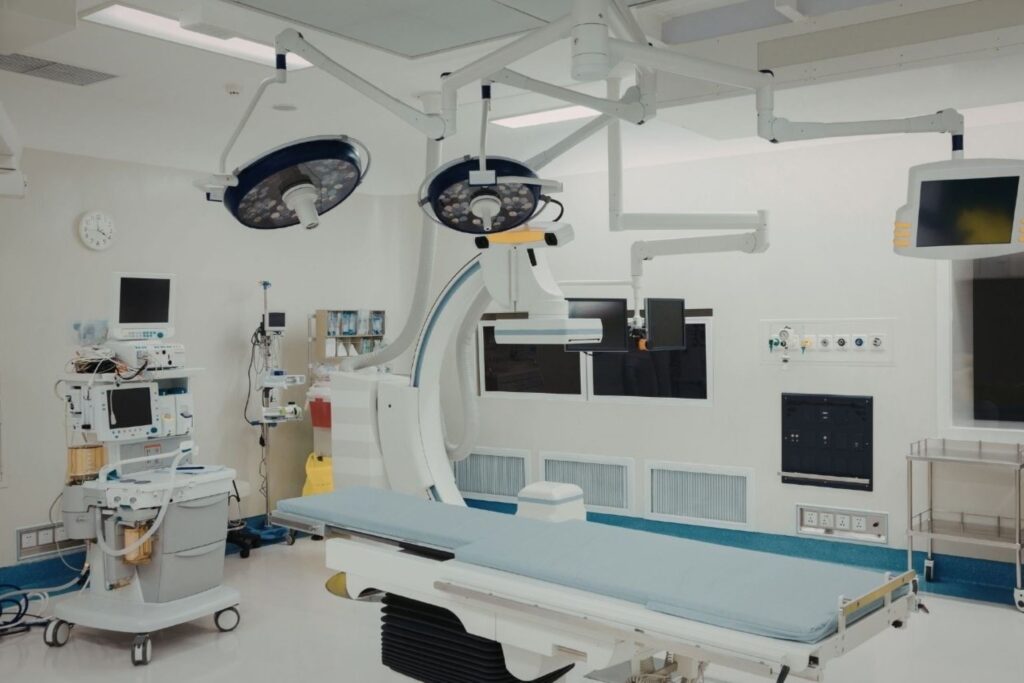
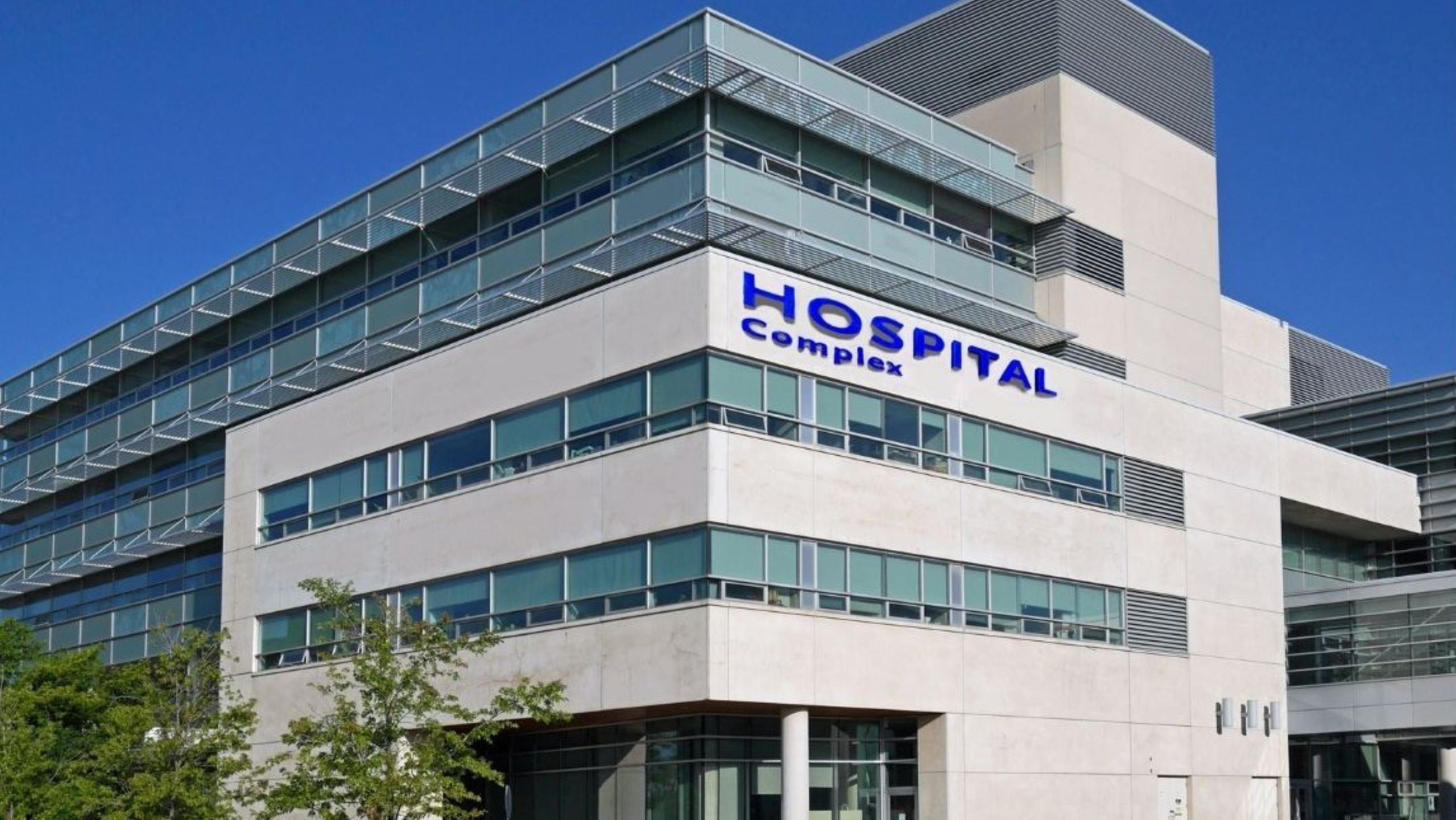
Private hospital networks providing multi-specialty acute care services expand. Furthermore, premium positioning serves affluent local and international patients. Dubai Healthcare City hosts over 150 specialized facilities currently.

Specialized medical centers including oncology, cardiology, and orthopedics thrive. However, Centers of Excellence attract complex cases regionally. Also, JCI accreditation ensures international quality standards compliance.
Medical tourism facilities combining treatment with luxury hospitality experiences. Meanwhile, wellness retreats and recovery resorts differentiate offerings uniquely. Certainly, concierge services cater to VVIP patient expectations.
Outpatient diagnostic centers equipped with advanced imaging and laboratory services. For example, standalone facilities reduce hospital wait times significantly. Besides, extended hours accommodate working professionals’ schedules conveniently.

How Does Medical Infrastructure Investment Generate Returns?
Long-term lease agreements with hospital operators ensure predictable income. Nevertheless, triple-net leases common in Dubai Healthcare City specifically. Specifically, 20-30 year terms provide stable institutional-grade cash flows.






Medical tourism growth drives occupancy rates above 80% year-round. On the other hand, insurance-paying expatriate population provides revenue stability. Additionally, self-pay international patients command premium pricing substantially.
Free zone benefits including VAT exemptions enhance investment returns. For instance, Dubai Healthcare City offers streamlined licensing and regulations. Besides, repatriation of 100% profits attracts foreign capital.
Asset appreciation from healthcare real estate scarcity in prime locations. Thus, purpose-built medical facilities appreciate faster than standard commercial. Furthermore, government healthcare city expansions increase surrounding property values.


Terrace dining Dubai: 6 spots to book now
Cooler evenings are returning to Dubai, and that means one thing: terrace season is here. From a dreamy Portuguese canal-side...

Dubai property market: what comes next
Dubai's property market posted AED 286 billion in sales in the first half of 2026 alone, with off-plan demand and...
Which Dubai Locations Lead Healthcare Development?
Dubai Healthcare City operates as dedicated free zone for medical services. Therefore, over 150 facilities including hospitals and clinics cluster strategically. Currently, Phase 2 expansion adds 4.1 million square feet.
Jumeirah attracts premium private hospitals serving affluent residents primarily. As a result, luxury medical facilities integrate with upscale neighborhoods. Moreover, proximity to business districts ensures executive clientele access.
Dubai South develops medical city serving Expo 2020 legacy area. Indeed, proximity to Al Maktoum Airport facilitates medical tourism logistics. Also, master-planned community integrates residential and medical facilities.
Business Bay sees medical office buildings and specialized clinics expanding. Nevertheless, corporate wellness centers serve surrounding business district employees. Undoubtedly, convenient location optimizes patient traffic and revenues.