
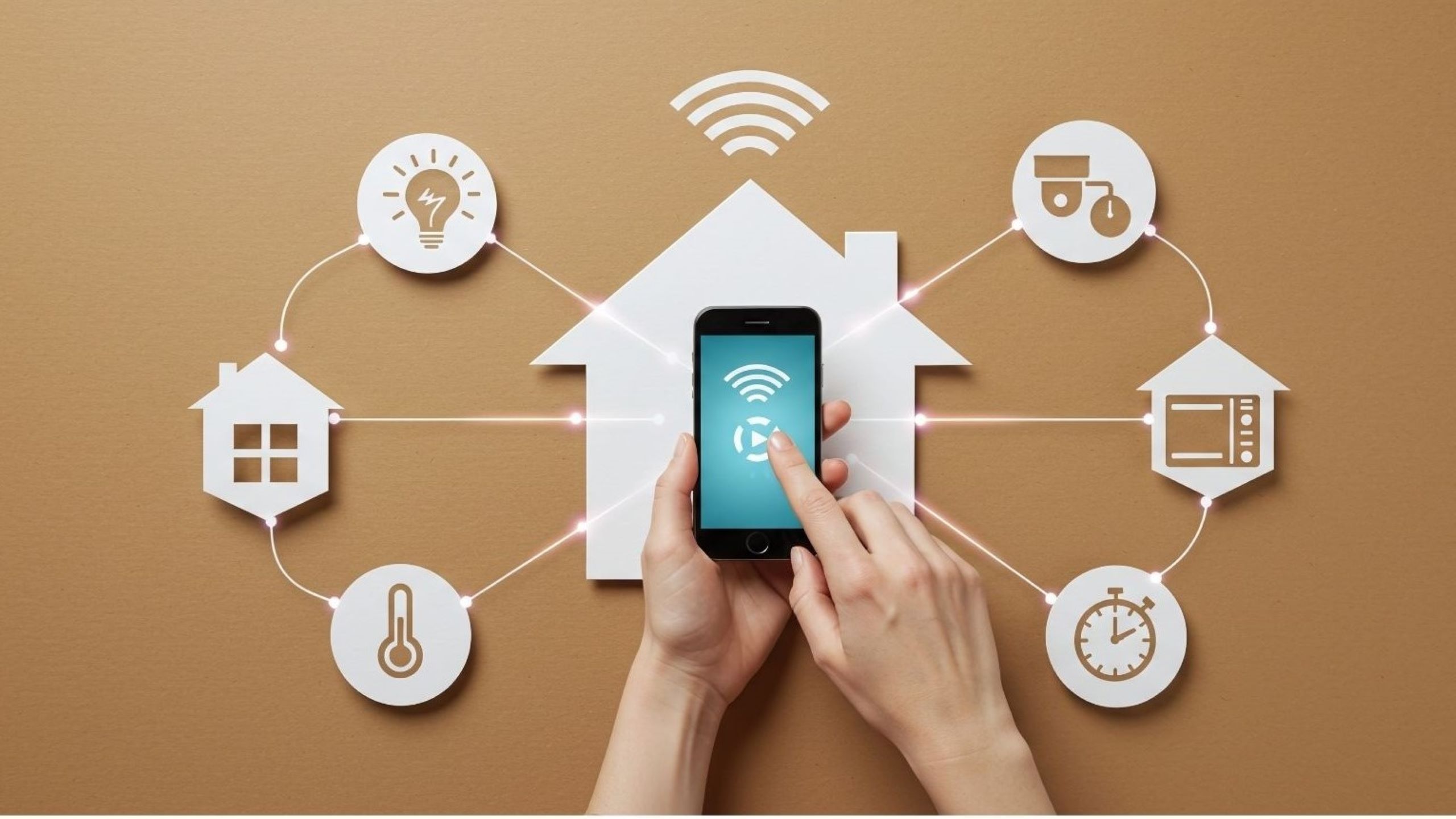
Dubai residents are saving thousands of dirhams annually through smart home energy technology integrated into their properties. Furthermore, smart home energy systems cut electricity usage by up to 30% and water consumption significantly. Moreover, over 40% of new villas in Dubai now feature smart home energy automation as standard. Therefore, understanding these systems helps homeowners maximize savings and comfort. Additionally, government programs through DEWA actively support residents adopting smart home energy solutions. Indeed, programs spanning climate control, lighting, and appliance management create pathways for residents transforming their utility bills. Consequently, this comprehensive guide profiles Dubai’s smart home energy ecosystem and the savings opportunities powering residential transformation.
Why Smart Home Energy Matters in Dubai’s Climate
Dubai’s extreme heat creates extraordinary electricity demands requiring innovative solutions. First, air conditioning accounts for nearly 70% of household electricity consumption across the emirate. Additionally, traditional cooling systems cost residents thousands annually during scorching summer months.

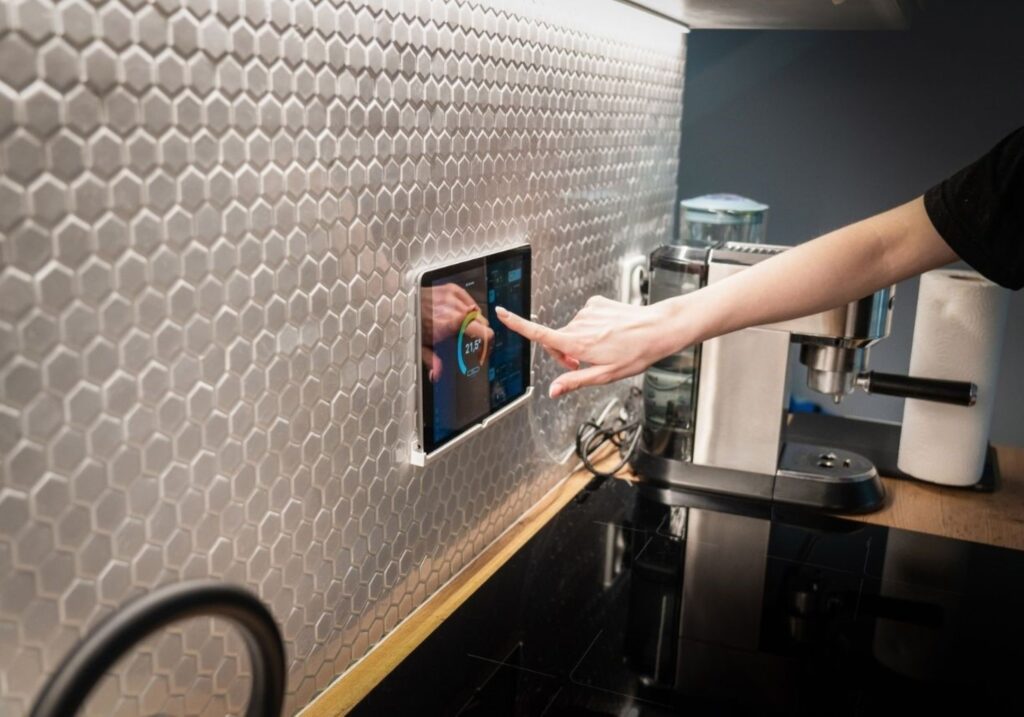
Smart home energy technology addresses this challenge directly. Furthermore, automated climate control learns resident preferences and occupancy patterns. For instance, smart thermostats reduce AC costs by 15% through intelligent scheduling and remote management. Meanwhile, occupancy sensors adjust cooling only when homes are occupied.
Consequently, Dubai residents access unprecedented savings potential through smart home energy adoption. Thus, intelligent systems deliver comfort without sacrificing monthly budgets. These systems prove essential in the desert climate where energy efficiency separates affordable living from financial strain.
Key Smart Home Energy Technologies for Dubai Residents
Smart home energy systems concentrate on devices matching Dubai’s specific challenges—primarily climate control, lighting automation, water management, and appliance monitoring. First, smart thermostats command 40% of initial smart home energy investments. Additionally, intelligent lighting systems address the second major consumption category.

Moreover, motion-sensor lighting turns off automatically in unoccupied rooms. Furthermore, smart blinds and motorized curtains reduce solar heat gain during peak daylight hours. For example, closed blinds during 10 AM-4 PM peak hours decrease cooling demands significantly.
Water management technology attracts growing attention from conscious residents. Consequently, leak detection systems prevent wastage from hidden damage. Thus, combining climate, lighting, and water technologies creates comprehensive smart home energy ecosystems addressing multiple expense categories.
DEWA Smart Living Program and Support Services
Dubai Electricity and Water Authority launched innovative programs supporting smart home energy adoption throughout the emirate. First, the DEWA Smart Living Initiative provides customers digital tools managing consumption in real-time. Additionally, the platform enables residents comparing their usage against high-efficiency neighborhood homes.
Moreover, DEWA’s Away Mode feature monitors electricity and water remotely via email. Furthermore, the My Sustainable Living Programme delivers personalized conservation tips and monthly performance reports. For instance, residents receive high water usage alerts detecting leaks immediately, preventing expensive damage.

Meanwhile, DEWA Store offers exclusive discounts on energy-efficient devices and smart appliances. Consequently, residents access professional recommendations and competitive pricing simultaneously. Thus, DEWA programs remove barriers to smart home energy adoption for every Dubai household.

Real Savings from Dubai Residents Using Smart Home Energy
Ahmed Al Mansouri, 42, Marina Resident, Dubai
“My family’s summer electricity bills reached AED 5,500 monthly—completely unsustainable with young children at home. We researched smart home energy solutions extensively and felt overwhelmed initially. Then we discovered DEWA’s Smart Living Initiative explaining available devices and financing options.
We installed a Nest Learning Thermostat, smart lighting system, and motorized blinds within two weeks through a local provider. The learning curve was minimal because DEWA provided setup guidance via their app. We started seeing results immediately—within one month, our bill dropped to AED 4,200.
Now our family’s summer bills average AED 3,500, saving approximately AED 24,000 annually. Furthermore, we’ve hired a company managing our smart home energy system remotely during travel. Dubai’s smart home energy ecosystem gives residents like us genuine financial relief. Indeed, I recommend every family seriously consider this investment today.”
Luxury Fashion: Dubai Retail Economics 2026
Luxury fashion retail dominates Dubai's sophisticated shopping landscape and economic growth strategy. Furthermore, the emirate attracts the world's most prestigious...
Gulfood Exhibition: F&B Import Market and Food Industry Investment
The Gulfood exhibition is the world's largest annual food and beverage trade show. This Dubai event attracts over 5,000 exhibitors...
Free Zone Business Setup: Dafza vs Jafza Comparizon And Industry Sectors
Free zone business setup offers Dubai entrepreneurs 100% foreign ownership and tax benefits choosing between specialized zones. Furthermore, DAFZA (Dubai...
Fine Dining Economics: Michelin Restaurant Dubai 2026
The economics of fine dining drive the AED 8.2 billion Dubai market, with Michelin-starred restaurants establishing a presence in the...
Financial Impact of Smart Home Energy Investment
Dubai’s smart home energy market presents unprecedented financial opportunities through direct utility savings and increased property values. First, smart thermostats alone save 15% on HVAC expenses annually. Additionally, integrated smart lighting systems reduce electricity consumption by 30% per utility studies.
Moreover, property values increase when featuring built-in smart home energy systems. Furthermore, buyers actively seek homes with automation technology commanding premium prices. For example, villas equipped with comprehensive smart systems sell 10-15% faster than comparable non-automated properties.
Meanwhile, government initiatives like DEWA rebate programs offset installation costs considerably. Consequently, residents achieve positive return on investment within 3-4 years typically. Thus, smart home energy represents both immediate expense reduction and long-term property appreciation for Dubai homeowners.
Getting Started with Smart Home Energy in Dubai
Starting a smart home energy installation requires strategic planning and ecosystem knowledge for Dubai residents. First, assess your primary consumption challenges—cooling, lighting, water, or appliances—through DEWA’s Self-Assessment Tool. Additionally, complete the online questionnaire receiving a personalized efficiency report immediately.
Moreover, visit DEWA Store exploring device options with expert consultants available. Furthermore, apply through DEWA Smart Living Initiative accessing potential financing and rebate programs. For instance, several providers offer installation packages combining thermostat, sensors, and app integration.
Meanwhile, network actively through DEWA community events and online forums connecting with experienced residents. Consequently, Dubai residents maximize success probability through structured ecosystem engagement. Thus, the city provides clear pathways transforming homes into energy-efficient smart systems within weeks.
Conclusion: Smart Home Energy Creates Smarter Dubai Living
Dubai residents demonstrate that climate challenges never limit efficiency when supported by advanced smart home energy technology and supportive programs. The city’s move toward 36% clean energy by 2030 reflects resident-driven transformation through smart adoption. Moreover, record energy savings, comprehensive DEWA support programs, and affordable installation options create optimal conditions for household adoption.
From air conditioning and lighting to water management and appliance monitoring, technologies offer boundless savings opportunities for conscious residents. Additionally, success stories prove that Dubai’s smart home energy ecosystem delivers measurable financial results beyond marketing claims. Therefore, residents should leverage available DEWA programs, professional installation services, and community resources immediately.
Furthermore, Dubai’s commitment to sustainability through Smart Dubai initiative 2050 ensures continuous ecosystem growth benefiting future generations. Indeed, the emirate’s regulatory environment, capital availability, and technological infrastructure create unmatched advantages regionally. Download DEWA’s Smart Living guide, connect with installation providers, and begin your energy-efficient transformation today.
Ready to reduce your utility bills? Visit DEWA Smart Living at their website, explore the Self-Assessment Tool, and discover your personalized smart home energy savings plan immediately!
Learn More About Dubai’s Smart Home Energy Ecosystem
DEWA Smart Living Initiative – Energy Management Tools
DEWA Store – Smart Devices & Energy-Efficient Appliances
Dubai Clean Energy Strategy 2050 – Sustainability Initiatives