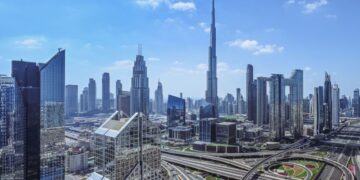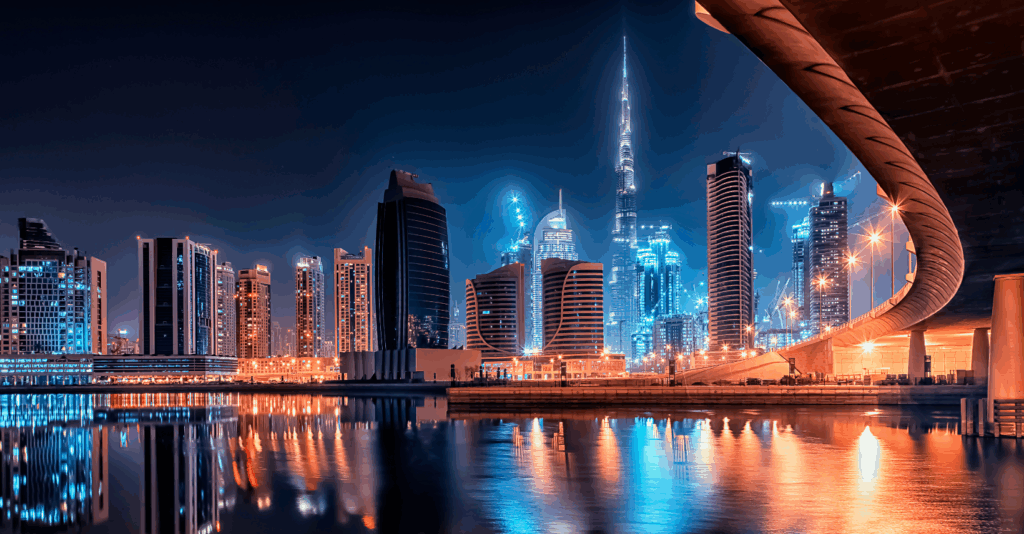

The property market in Dubai in Q1 of 2026 demonstrated exceptional performance, with a transaction volume of AED 125 billion reflecting an unprecedented level of investor confidence. Furthermore, the region’s real estate investment returns are leading the way, driven by the legacy of Expo and economic diversification. Understanding Q1 performance metrics is key to capitalising on Dubai’s dynamic property opportunities.
What Drives Q1 Dubai Property Market Performance?
Dubai property market Q1 transaction volume reaches AED 125 billion up 35%. Consequently, foreign investors account for 65% total transactions attracted. Industry analysts project 12.8% total returns for 2026.
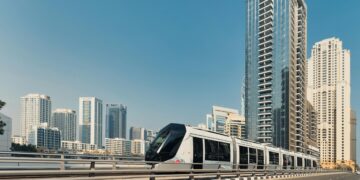
Additionally, Expo 2020 legacy infrastructure supports sustained demand fundamentally. Therefore, new metro lines and districts enhance connectivity significantly. Moreover, government initiatives including 10-year golden visas drive capital.
Off-plan sales surge 48% year-over-year indicating confidence in market. For instance, developers launch premium projects across prime locations. Thus, pre-construction pricing attracts investors seeking appreciation potential.
Which Dubai Areas Lead Q1 Real Estate Investment?
Downtown Dubai maintains premium position with AED 28 billion volume. Furthermore, Burj Khalifa proximity and luxury amenities command premiums. Apartment prices average AED 2,800-4,500 per square foot.
Dubai Marina records AED 22 billion activity driven by waterfront living. However, rental yields averaging 6-8% attract income-focused investors. Also, completed infrastructure supports stable occupancy rates consistently.
Business Bay emerges with AED 18 billion emphasizing mixed-use development. Meanwhile, corporate relocations support office and residential demand. Certainly, central location and canal views enhance appeal.
Palm Jumeirah generates AED 16 billion from ultra-luxury villa transactions. For example, beachfront properties trade at AED 5,000-12,000 per square foot. Besides, limited supply maintains pricing power long-term.
How Do Asset Class Returns Compare Q1 2026?
Villas and townhouses deliver 14.2% total returns leading sectors. Nevertheless, off-plan villa communities in Dubai South and Arabian Ranches. Specifically, family-oriented developments outperform apartments consistently by 3-4%.
Luxury apartments generate 11.5% returns concentrated in Downtown and Marina. On the other hand, high-end penthouses and furnished units command. Additionally, short-term rental income boosts overall returns significantly.
Commercial offices achieve 9.8% returns as business formation accelerates. For instance, DIFC and Business Bay attract financial services tenants. Besides, flexible workspace demand supports rental rate growth.
Retail properties show divergent performance with F&B-anchored centers delivering. Thus, experiential retail and entertainment concepts recover strongly. Furthermore, tourist arrivals exceeding pre-pandemic levels support revenues.
What Industry Experts Say About Dubai Market Outlook?
Ahmed Al Falasi, CEO, Property Monitor Dubai
“Property market Q1 performance confirms Dubai’s status as global investment hub. Real estate investment returns exceed regional markets by 5-7% consistently. Additionally, regulatory reforms and visa programs attract international capital.”
“Our data shows AED 125 billion transaction volume indicates market maturity. Investment opportunities exist across off-plan, luxury, and income-generating assets. Furthermore, infrastructure development creates appreciation potential in emerging areas. Dubai property market fundamentals support sustained institutional interest.”
Luxury Fashion: Dubai Retail Economics 2026
Luxury fashion retail dominates Dubai's sophisticated shopping landscape and economic growth strategy. Furthermore, the emirate attracts the world's most prestigious...

Gulfood Exhibition: F&B Import Market and Food Industry Investment
The Gulfood exhibition is the world's largest annual food and beverage trade show. This Dubai event attracts over 5,000 exhibitors...
Free Zone Business Setup: Dafza vs Jafza Comparizon And Industry Sectors
Free zone business setup offers Dubai entrepreneurs 100% foreign ownership and tax benefits choosing between specialized zones. Furthermore, DAFZA (Dubai...

Fine Dining Economics: Michelin Restaurant Dubai 2026
The economics of fine dining drive the AED 8.2 billion Dubai market, with Michelin-starred restaurants establishing a presence in the...

Which Trends Shape Investment Strategies and Returns?
Golden visa impact driving permanent residence applications up 220% annually. Therefore, high-net-worth individuals purchasing property securing residency rights. Currently, minimum AED 2 million investment qualifies for 10-year visa.
Off-plan investment offering payment plans and pre-construction discounts attracting. As a result, developers provide 60/40 and 70/30 plans reducing. Moreover, capital appreciation during construction phase enhances IRRs.
Short-term rental through Airbnb and vacation platforms generating premium yields. Indeed, tourist arrivals reaching 20 million annually support occupancy. Also, furnished apartments in prime areas achieve 8-12% net yields.
Sustainable developments with LEED and green certifications commanding premiums increasingly. Nevertheless, energy-efficient buildings reduce operating costs 20-30% attracting. Specifically, sustainable features becoming tenant requirements not preferences.
PropTech adoption accelerating through virtual viewings and blockchain transactions. Meanwhile, digital platforms streamline buying process reducing timelines significantly. Certainly, cryptocurrency acceptance expanding among luxury developers selectively.
Freehold zones expansion opening new areas to foreign ownership encouraging. Thus, government designates additional districts attracting broader investor base. Furthermore, freehold status enhances liquidity and exit opportunities.
What Regional Performance and Investment Considerations Exist?
Emirate-wide growth showing consistent performance across established and emerging areas. However, mature communities offer stability while new districts promise. Also, infrastructure connectivity determines appreciation potential critically.
Supply dynamics with 85,000 units completing 2026 requiring demand absorption. For instance, developer reputation and location quality differentiate successful projects. Besides, oversupply risks concentrated in specific micro-markets selectively.
Regulatory environment with transparent ownership laws and efficient registration processes. Nevertheless, Dubai Land Department oversees all transactions ensuring compliance. Specifically, 4% transfer fees and no annual property taxes.
Financing availability with mortgage LTVs reaching 75-80% for UAE residents. Thus, expats access 60-75% financing supporting leveraged strategies. Furthermore, interest rates averaging 4-5% enable positive leverage.
Currency stability through USD-AED peg eliminating exchange rate risks. Meanwhile, international investors benefit from predictable currency exposure. Also, rental income and capital gains repatriable without restrictions.
Exit liquidity with active secondary market and diverse buyer pools. For instance, average time to sell prime properties 60-90 days. Besides, rental demand ensures income during holding periods.
Conclusion: Capitalizing on Q1 Dubai Property Market Trends
The performance of the property market in Q1 demonstrates the strength of Dubai’s real estate. Furthermore, investment returns are leading regional markets across multiple sectors.
Focus on off-plan developments, luxury assets and high-yield opportunities. Furthermore, leverage golden visa programmes and infrastructure developments strategically. Continuously monitor supply levels and regulatory changes.
Engage real estate advisors who have expertise in the Dubai market and access to developer networks. Local knowledge and timing are critical determinants of investment success. Explore Dubai property market opportunities to grow your portfolio in 2026.