
What Makes Dubai’s Economic Diversification Strategy Different?
Dubai’s approach stands apart from other oil-rich regions. Indeed, the emirate started planning decades ago. Currently, non-oil sectors contribute approximately 80% to the GDP.
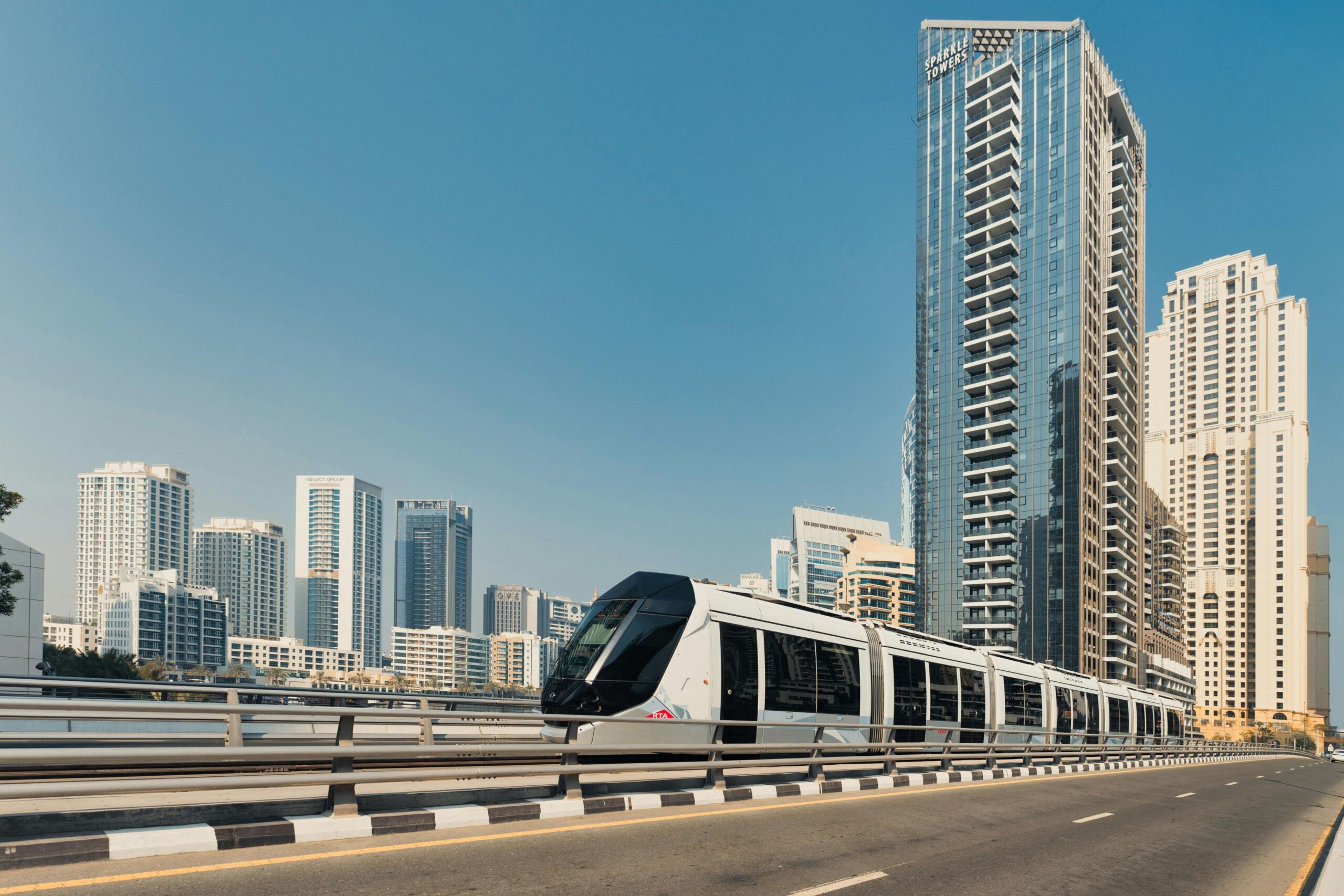
The government invested heavily in infrastructure development. Furthermore, free zones attract international businesses. This strategy creates jobs across multiple industries. As a result, Dubai builds resilience against oil price volatility.
How Do Current Metrics Demonstrate Progress?
Tourism revenue reached AED 120 billion in 2024. Additionally, the sector employs over 700,000 people. These numbers show economic diversification working effectively.
Technology investments grew by 35% year-over-year. Moreover, Dubai Internet City hosts 2,400+ companies. The financial services sector contributes AED 60 billion annually. Therefore, these metrics validate the diversification strategy.

Meanwhile, trade volumes exceed AED 1.4 trillion. Jebel Ali Port handles 15 million containers yearly. Such growth demonstrates Dubai’s position as a global hub.

Which Sectors Drive Economic Growth Beyond Oil?
Tourism leads the transformation with visitor numbers surpassing 17 million. For instance, hospitality investments total AED 50 billion. The sector continues expanding despite global challenges.
Real estate attracts significant foreign investment annually. Furthermore, property transactions reached AED 520 billion in 2024. This growth supports construction and related industries.
Technology and innovation sectors show remarkable expansion. Specifically, AI and fintech companies choose Dubai as their regional headquarters. Consequently, the emirate becomes a Middle East tech leader.





Mental health in Dubai’s summer
Dubai's summer is beautiful in its own quiet way, but the heat forces most residents indoors for months. That indoor...

Arabic culture in Dubai: 6 must-try experiences
Dubai offers far more than luxury towers and world-class malls. Arabic culture runs deep in this city, and residents who...

Yacht charter Dubai: 7 experiences to book
Dubai's private yacht charter scene is more varied and accessible than most visitors expect. From romantic sunset cruises to action-packed...

Dubai darts: your guide to the PDC events
Dubai is the city that gave the world the PDC World Series of Darts back in 2013, and the sport...

What Economic Challenges Remain for 2030 Goals?
Global economic uncertainty affects investment flows periodically. However, Dubai maintains strong fundamentals. The government adapts policies to address emerging challenges.

Competition from other international hubs intensifies annually. Nevertheless, Dubai’s strategic location provides advantages. The emirate continuously improves its value proposition.
Skills gaps in certain sectors require attention. Consequently, training programs expand across industries. Indeed, workforce development remains a priority.