


Why Do Confident Kids Need Emotional Foundations?
Confident kids build their strength from secure emotional foundations established at home. First, children who feel emotionally safe express themselves authentically without fear. Additionally, this security allows them to take healthy risks and embrace challenges.

Moreover, Dubai’s dynamic environment requires children to adapt to multicultural settings and academic pressures constantly. Furthermore, when parents respond with empathy rather than judgment, children internalize self-worth naturally. For instance, acknowledging feelings before offering solutions validates their emotional experiences.
Consequently, these early patterns shape how confident kids approach relationships throughout life. Meanwhile, emotional literacy helps children name and process complex feelings effectively. Thus, investing time in emotional development creates lasting resilience that serves them forever.
How Does Dubai’s Busy Lifestyle Impact Children?
Dubai’s fast-paced environment creates unique challenges as children face academic pressure, social changes, and digital distractions daily. First, parents often juggle multiple responsibilities while maintaining work-life balance. Additionally, traffic, long commutes, and demanding schedules reduce quality family time significantly.

Moreover, children absorb parental stress even when we try hiding it carefully. Furthermore, rushing between activities prevents the downtime children desperately need for processing experiences. For example, overscheduled kids miss opportunities for creative play and emotional regulation.
Meanwhile, constant busyness signals to children that achievement matters more than connection. Consequently, they may develop anxiety trying to meet perceived expectations perfectly. Thus, recognizing these impacts represents the first step toward creating healthier family rhythms.
What Mindful Parenting Strategies Work Best?
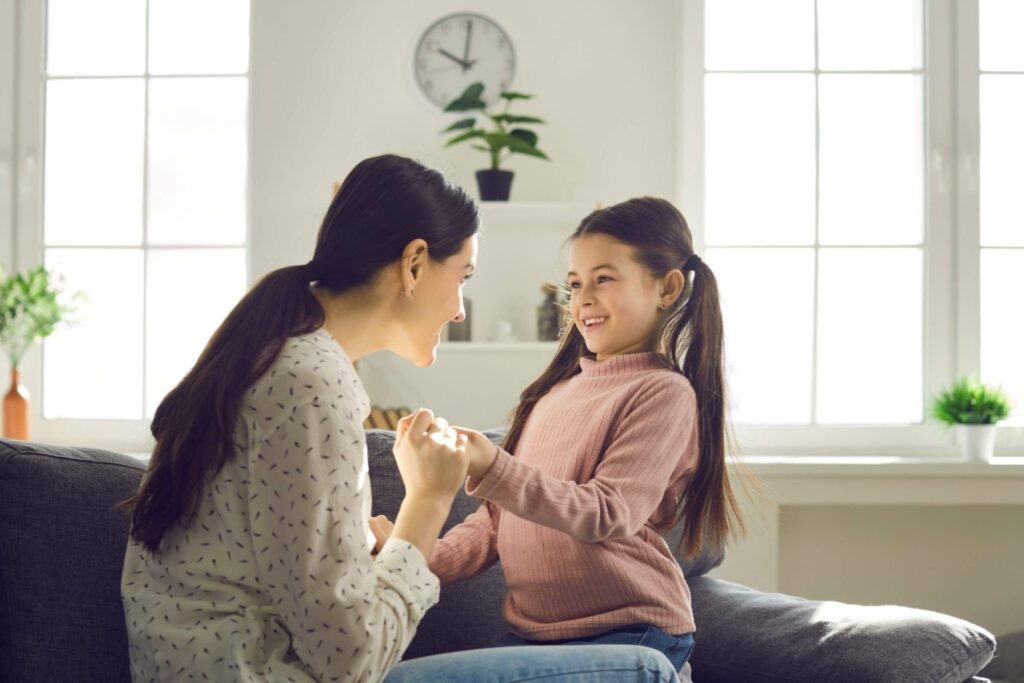
Mindful parenting means staying present with your child and responding to challenges with calm and care. First, practice pausing before reacting to your child’s difficult behaviors or emotions. Additionally, this simple pause allows you to respond thoughtfully rather than react impulsively.
Moreover, create daily rituals that prioritize genuine connection over productivity measures. Furthermore, even ten minutes of undivided attention profoundly impacts your child’s sense of security. For instance, device-free bedtime conversations build trust and open communication channels naturally.






Meanwhile, model emotional regulation by naming your own feelings appropriately with your children. Consequently, confident kids learn that all emotions are valid and manageable through observation. Thus, mindful parenting creates the safe space where resilience truly develops.


Terrace dining Dubai: 6 spots to book now
Cooler evenings are returning to Dubai, and that means one thing: terrace season is here. From a dreamy Portuguese canal-side...

Dubai property market: what comes next
Dubai's property market posted AED 286 billion in sales in the first half of 2026 alone, with off-plan demand and...
What Role Does Self-Compassion Play in Parenting?
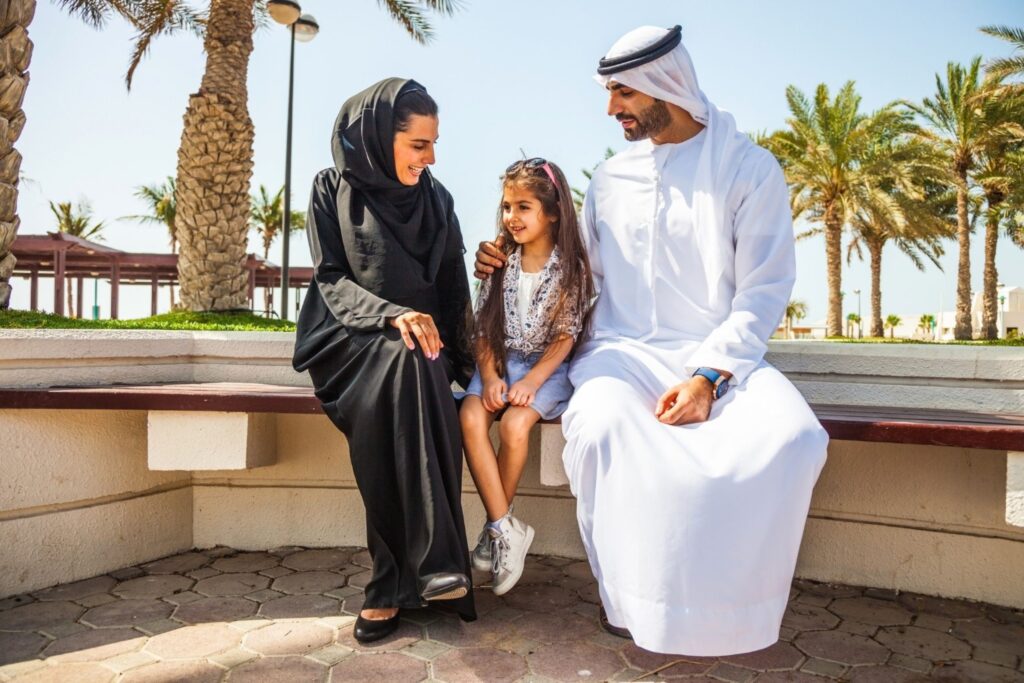
Positive parenting goes beyond discipline—it is about fostering open communication, empathy, and mutual respect. First, recognize that perfect parenting doesn’t exist and self-criticism undermines your effectiveness. Additionally, treating yourself with compassion models healthy self-talk for your children.
Moreover, when you make mistakes, apologize genuinely and demonstrate repair in relationships. Furthermore, this teaches confident kids that errors represent learning opportunities rather than character flaws. For instance, saying “I shouldn’t have yelled; I was overwhelmed” validates both feelings.
Meanwhile, prioritize your own mental health through therapy, support groups, or self-care practices. Consequently, emotionally regulated parents raise more resilient, secure children naturally. Thus, self-compassion isn’t selfish—it’s essential for raising confident kids successfully.










تربية الأطفال وتأسيسهم ليكونوا واثقين من أنفسهم في مدينة سريعة التطور ومتعددة الثقافات مثل دبي يتطلب بالفعل وعياً كبيراً ومتابعة مستمرة. هذا الدليل الشامل لعام 2025 يقدم خطوات عملية وممتازة لبناء شخصية قوية ومستقلة للطفل. شكراً على مشاركة هذه النصائح التربوية القيمة
This is a wonderful resource for parents! Raising confident kids in a fast-paced, multicultural hub like Dubai comes with its own unique challenges, so having a guide tailored for 2025 is incredibly useful. I really appreciate the practical strategies shared here for building self-esteem and resilience in children. Thank you for such an insightful read
Navigating the parenting journey in a dynamic city like Dubai isn’t always easy, and this 2025 guide offers some fantastic, actionable advice for fostering confidence in kids. Thanks for sharing these valuable tips with the community